The Roman Empire
Origins of Rome
The Mythical Founding
Every great story has a beginning. Rome's begins with a legend of twin brothers, Romulus and Remus. They were said to be the sons of the god Mars, abandoned as infants and left to die by the Tiber River. But they were saved by a she-wolf who nursed them back to health. A shepherd later found and raised the boys.
As adults, the brothers decided to found a city on the Palatine Hill, one of the seven hills where they were rescued. They quarreled over who should rule the new city. To settle the dispute, they looked for a sign from the gods. Remus saw six vultures, but Romulus saw twelve. Claiming divine favor, Romulus began building a wall around his city.
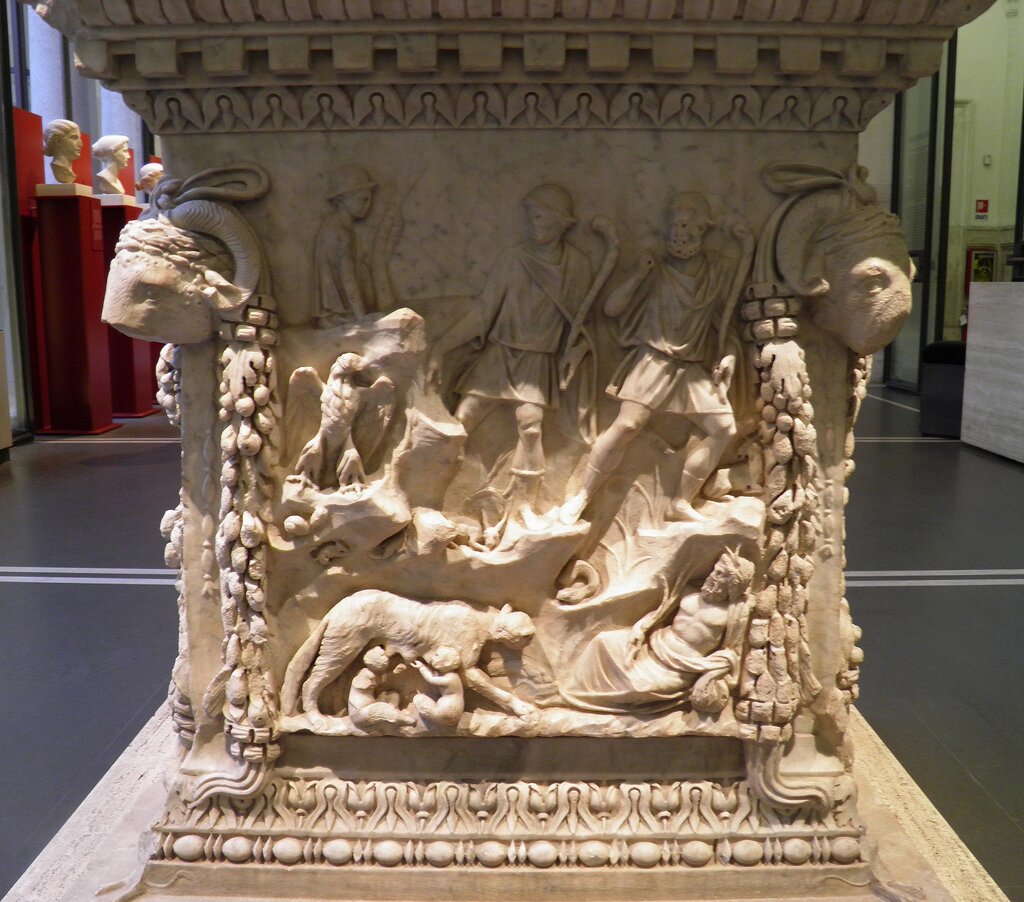
In a final, tragic argument, Remus mocked the short wall by jumping over it. Enraged, Romulus killed his brother, declaring, “So shall it be for all who dare to cross my walls.” He then named the city Roma, after himself. According to tradition, this happened on April 21, 753 BCE.
While the story is a myth, it reveals what the Romans valued: divine origins, strength, and a destiny to rule.
The Etruscan Kings
The historical picture of early Rome is less dramatic but just as important. Before it was a republic, Rome was a small kingdom ruled by a series of kings. Many of these later kings were not Latin, but Etruscan.
The Etruscans were a powerful civilization in ancient Italy, centered in modern Tuscany. They were skilled engineers, artists, and traders who had a profound impact on their southern neighbors. Under Etruscan rule, Rome grew from a small village into a proper city.
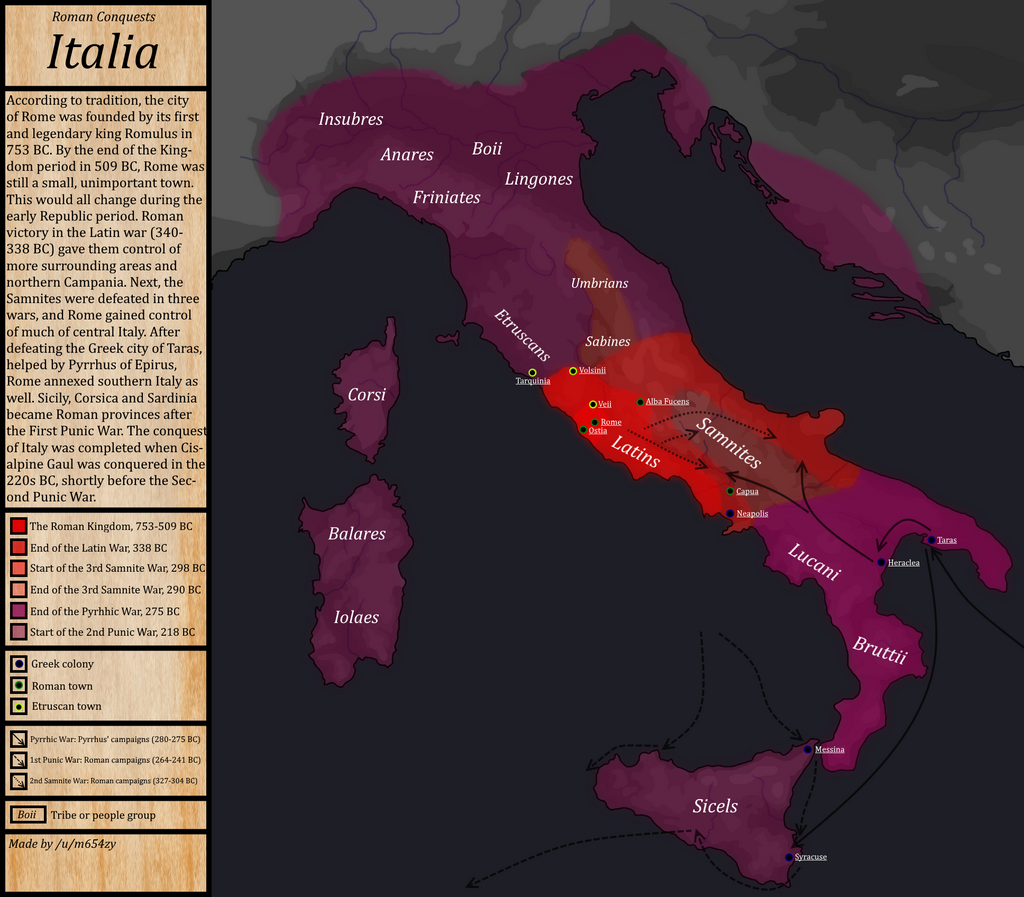
The Etruscans gave the Romans many cultural and technological gifts. They introduced their alphabet (which they had adapted from Greek), advanced building techniques like the arch, and religious rituals. They also organized the military into a more effective fighting force. Rome’s famous sewer system, the Cloaca Maxima, was originally an Etruscan project that drained the marshy land between the hills, allowing for the creation of the Roman Forum, the city's central hub.
The Birth of the Republic
Roman tradition says there were seven kings. The last one was Lucius Tarquinius Superbus, or Tarquin the Proud. His reign was described as a tyranny. The breaking point came around 509 BCE when his son assaulted a noblewoman named Lucretia. Her subsequent suicide ignited a rebellion led by a nobleman named Lucius Junius Brutus.
The Romans, tired of the king's abuse of power, rose up and expelled Tarquin and his family from the city. They vowed never again to be ruled by a king.
In place of the monarchy, they established a new form of government: the res publica, or “public affair.” This was the beginning of the Roman Republic.
Instead of a single, lifelong king, the Republic was led by two elected officials called consuls. They served one-year terms and could veto each other's decisions, preventing any one person from having too much power. A Senate, composed of the city's leading citizens, advised the consuls. This shift from monarchy to republic was a defining moment, setting the stage for Rome’s future conquests and its complex political evolution.
According to the founding myth, what event immediately led to Romulus killing his brother Remus?
Which of the following was NOT a contribution of the Etruscans to early Roman civilization?
This new government laid the groundwork for centuries of Roman expansion and influence.