The Oboe Explored
Oboe Overview
Meet the Oboe
If you've ever listened to an orchestra tune up, you've heard the oboe. Its clear, focused note—usually an A—cuts through the noise, giving every other instrument a pitch to match. This isn't just a tradition; it's a testament to the oboe's uniquely stable and penetrating sound.
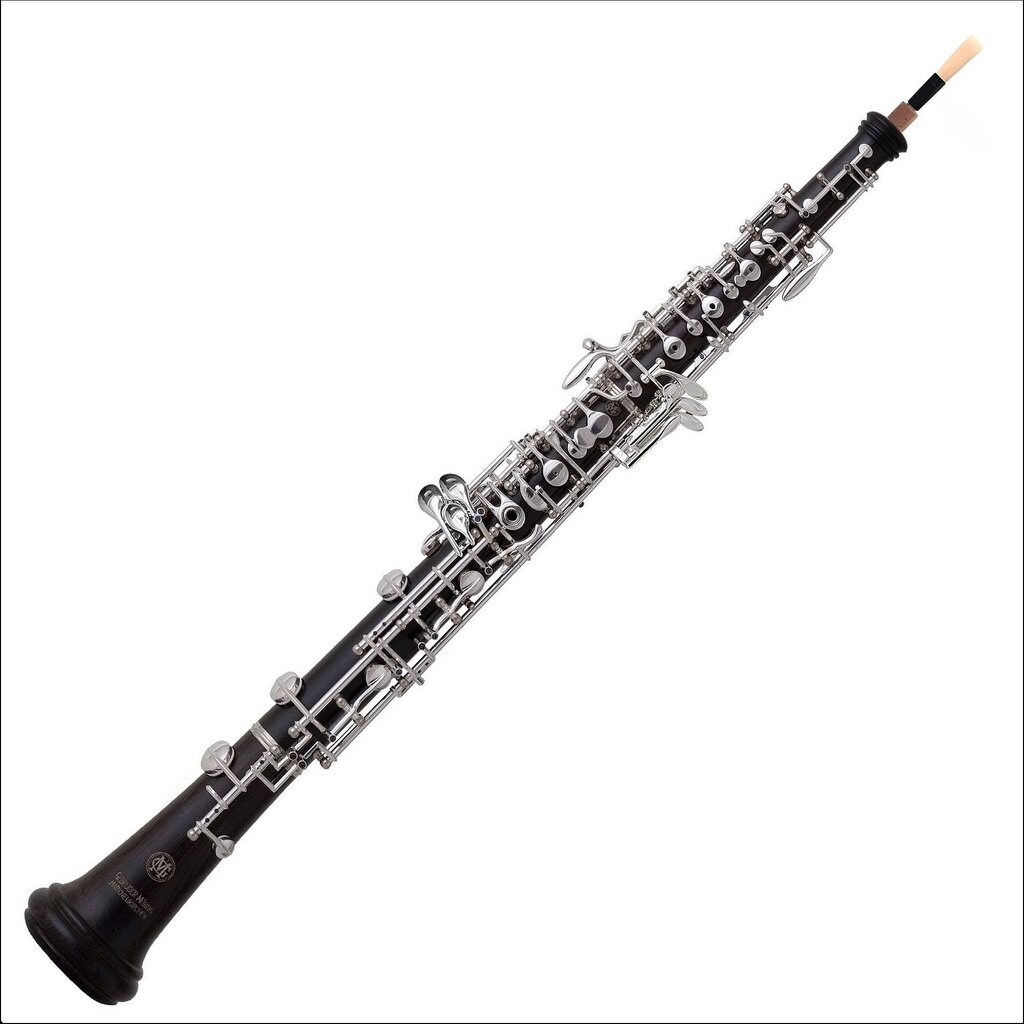
The oboe is a woodwind instrument with a conical bore (a cone-like tube), metal keys, a flared bell and a double reed, which vibrates when the player blows through it.
As a member of the woodwind family, the oboe stands out because it uses a double reed. Unlike a clarinet's single reed, an oboist's breath passes between two thin pieces of cane, vibrating them together to create its signature sound. This gives the oboe its distinctively reedy, almost nasal, and highly expressive tone that can sound mournful, playful, or sweet.
Anatomy of a Sound
An oboe's body is typically made from Grenadilla, also known as African blackwood. This dense, dark wood is favored for its stability and tonal qualities. For students, instruments are often made from more durable and affordable synthetic materials that mimic the properties of wood.
The instrument itself is a marvel of engineering, covered in a complex system of silver or nickel-plated keys. But at its core, it's a simple tube. This tube has a conical bore, meaning it gradually widens from the small opening at the reed down to the flared end, called the bell. This cone shape is crucial to the oboe's particular sound and pitch characteristics.
The oboe comes apart into three main sections for easy transport and cleaning.
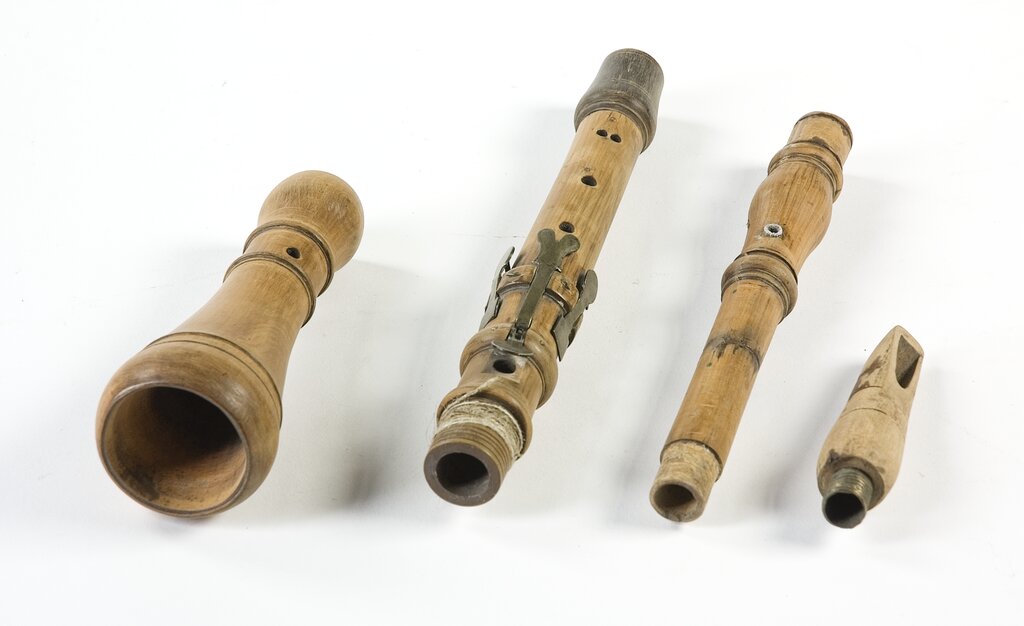
The upper joint and lower joint are where the player's fingers work the keys to change notes. The bell at the bottom helps project the sound and affects the tone of the lowest notes. And of course, the reed is where the sound begins.
Range and Role
The oboe has a range of about two and a half octaves, starting from the B-flat just below middle C. Its piercing, song-like quality makes it a frequent choice for beautiful, lyrical solos in orchestral and chamber music. You can hear it featured prominently in works like the second movement of Tchaikovsky's Symphony No. 4 or the famous "Gabriel's Oboe" from the film The Mission.
While it is a staple of the classical orchestra, the oboe also appears in jazz, folk music, and film scores. Its expressive voice can convey a wide range of emotions, making it one of the most versatile and recognizable instruments in the woodwind family.
Let's check what you've learned.
Why is the oboe often used to provide the tuning note for an orchestra?
The oboe's characteristic 'reedy' and 'nasal' tone is produced by what component?
From its construction to its place in the orchestra, the oboe is a fascinating instrument with a voice all its own.