The Oboe Explained
Oboe Origins
From Shawm to Oboe
Before the oboe, there was the shawm. For centuries, this loud, powerful double-reed instrument was popular across Europe, especially for outdoor music. Its piercing, trumpet-like sound was perfect for fanfares, processions, and military bands. Shawms came in various sizes, from small soprano instruments to large basses that were almost as tall as a person.
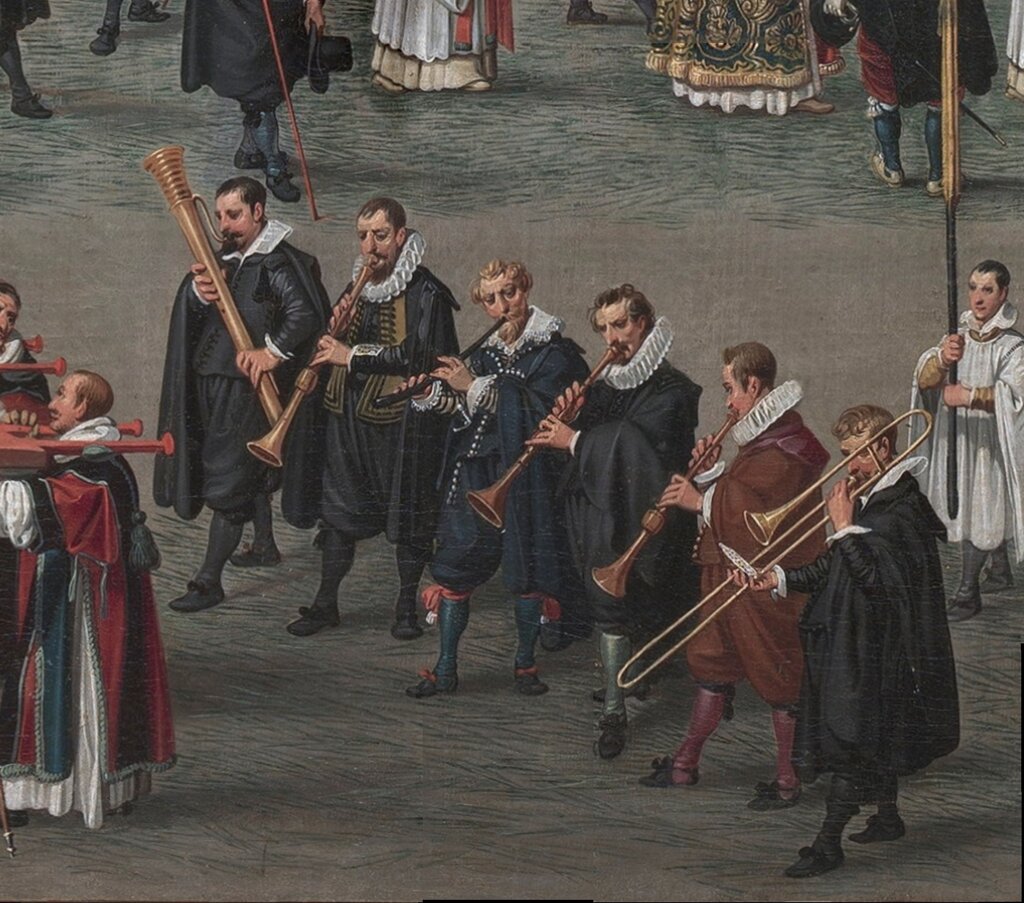
The shawm was built to be heard. It had a conical bore, meaning the inside of the instrument gradually widened from top to bottom, and a large, flared bell. This design, combined with a wide, open reed, gave it a brash, unrestrained voice. While great for open-air events, this volume made it less suitable for the increasingly popular indoor concerts of the 17th century.
The precursor of the oboe was an instrument called the shawm, which had been known in Europe, in various sizes, since the 13th century.
A Refined New Sound
The transformation from the boisterous shawm to the more expressive oboe took place in France during the mid-1600s, likely at the court of King Louis XIV. Musicians and instrument makers sought an instrument with a sweeter, more nuanced tone that could blend with strings and other softer instruments indoors. Two figures often credited with this innovation are Jacques Hotteterre and Michel Philidor.
They re-engineered the shawm in several key ways. First, they made the instrument in three separate sections, or joints. This allowed for more precise manufacturing of the internal bore. They also narrowed the bore and made the walls of the instrument thinner. Finally, they developed a smaller, more controlled reed that the player held directly between their lips, allowing for greater dynamic and expressive range.
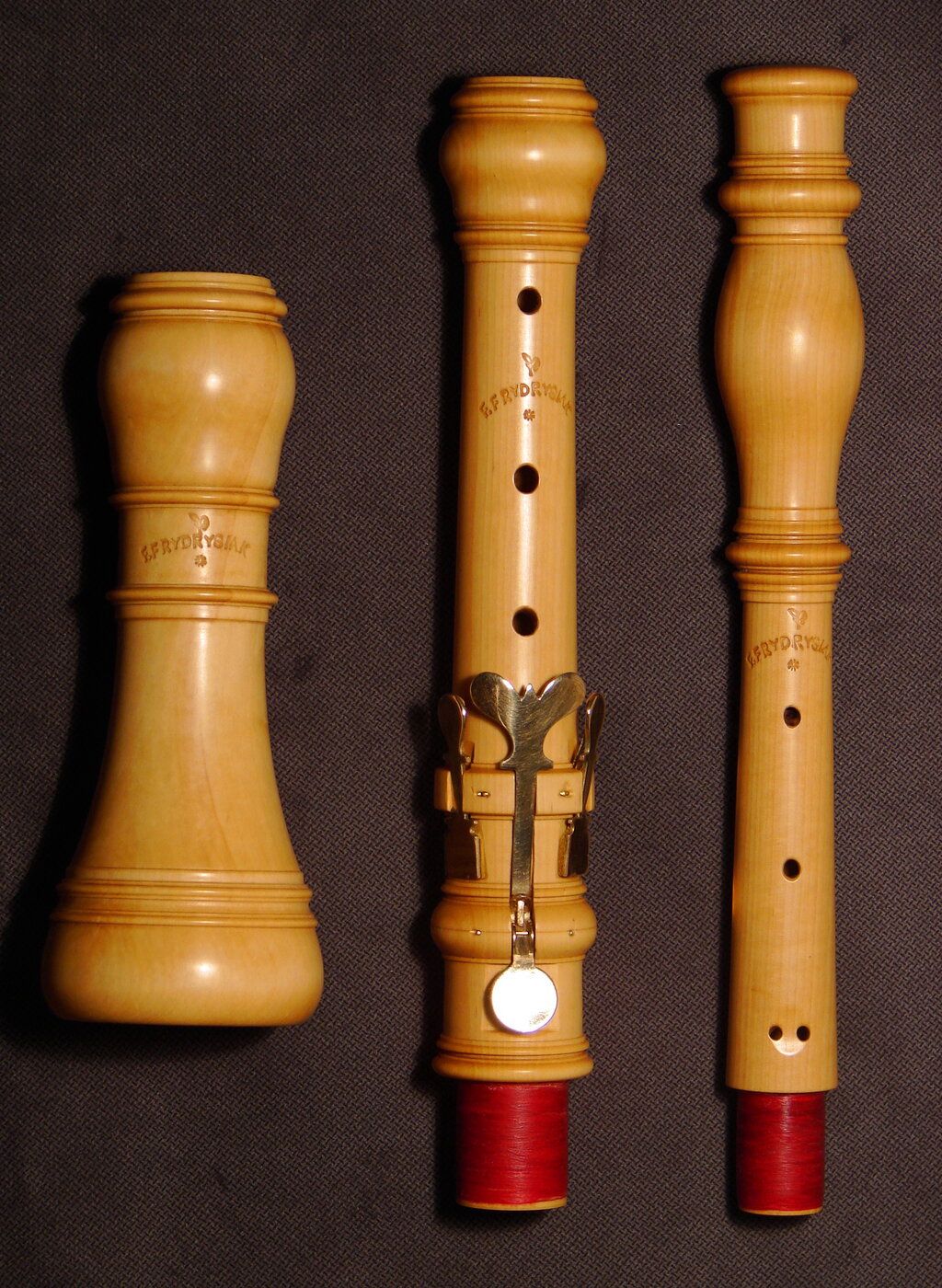
The result was a new instrument called the hautbois, French for “high wood” or “loud wood,” a nod to its shawm ancestry. Despite the name, its tone was much more refined. The baroque oboe had a delicate, reedy sound that was perfect for the intricate music of the era.
High wood
The Oboe Takes the Stage
The new hautbois quickly gained popularity. It was one of the first woodwind instruments to earn a permanent place in the orchestra. Composers like Jean-Baptiste Lully, who led Louis XIV's court orchestra, began writing specific parts for it. Its expressive, voice-like quality made it ideal for carrying melodies and playing soulful solos.
The oboe's role wasn't limited to the orchestra. It became a staple in military bands, replacing the harsher shawm. Composers of the Baroque period, such as Bach, Handel, and Vivaldi, embraced the instrument, writing concertos, sonatas, and countless orchestral parts that showcased its agility and beautiful tone.
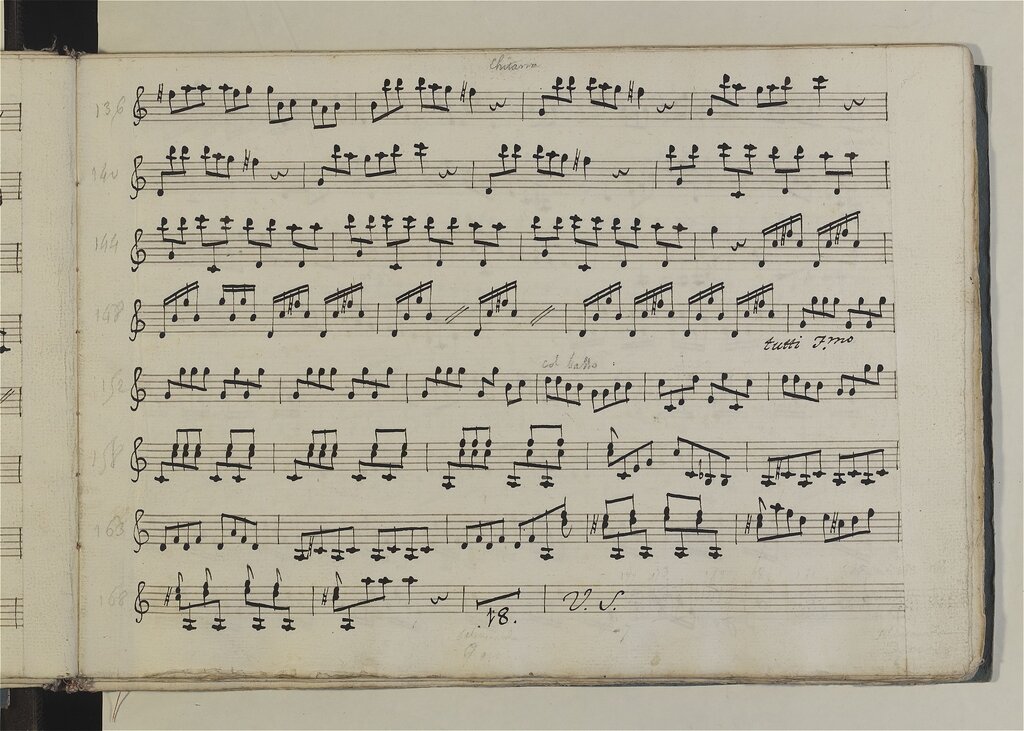
This early enthusiasm cemented the oboe's place in Western music. While the instrument would continue to evolve with the addition of more keys and other mechanical refinements, its fundamental character and its role as a key melodic voice were established in the courts and concert halls of Baroque Europe.
Let's check your understanding of the oboe's early history.
What was the primary environment where the shawm was most commonly used?
The development of the oboe from the shawm was primarily driven by a need for an instrument that...
The journey from the shawm to the Baroque oboe marks a pivotal moment in the history of woodwind instruments, setting the stage for centuries of beautiful music.