The Oboe Explained
Oboe Origins
From Ancient Reeds
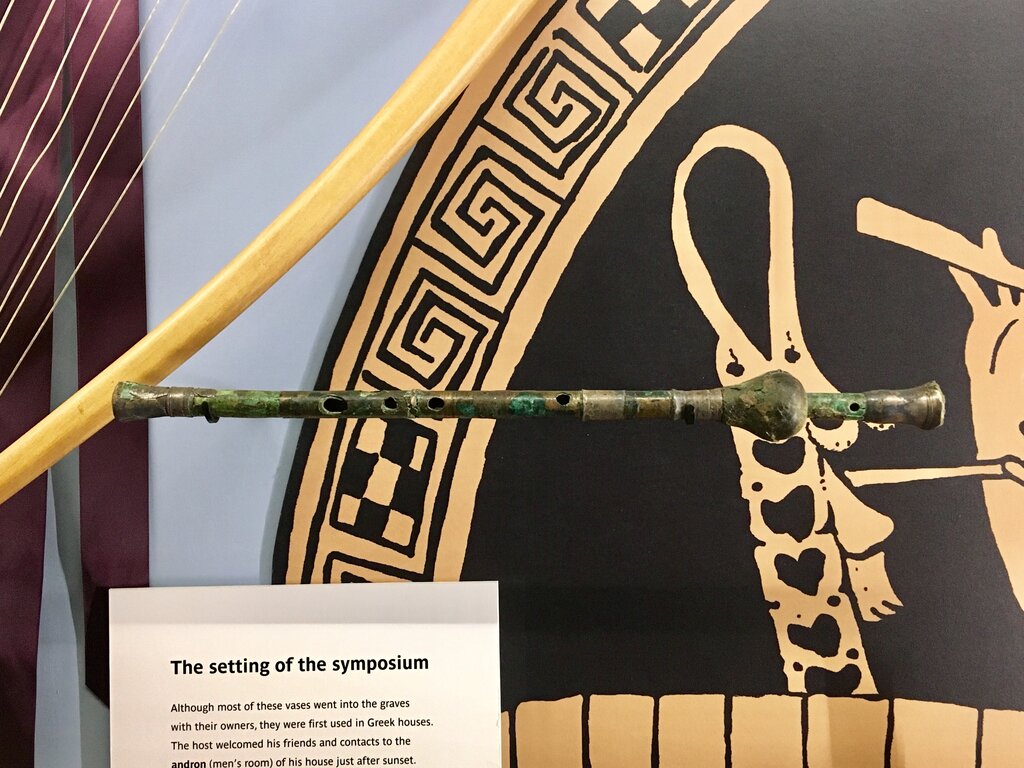
Long before orchestras existed, the sound of double-reed instruments filled the air. In ancient Greece, the aulos was a common sight at festivals, religious ceremonies, and theatrical performances. It consisted of two pipes played together, each with a double reed, producing a powerful, buzzing tone that could carry across a large amphitheater.
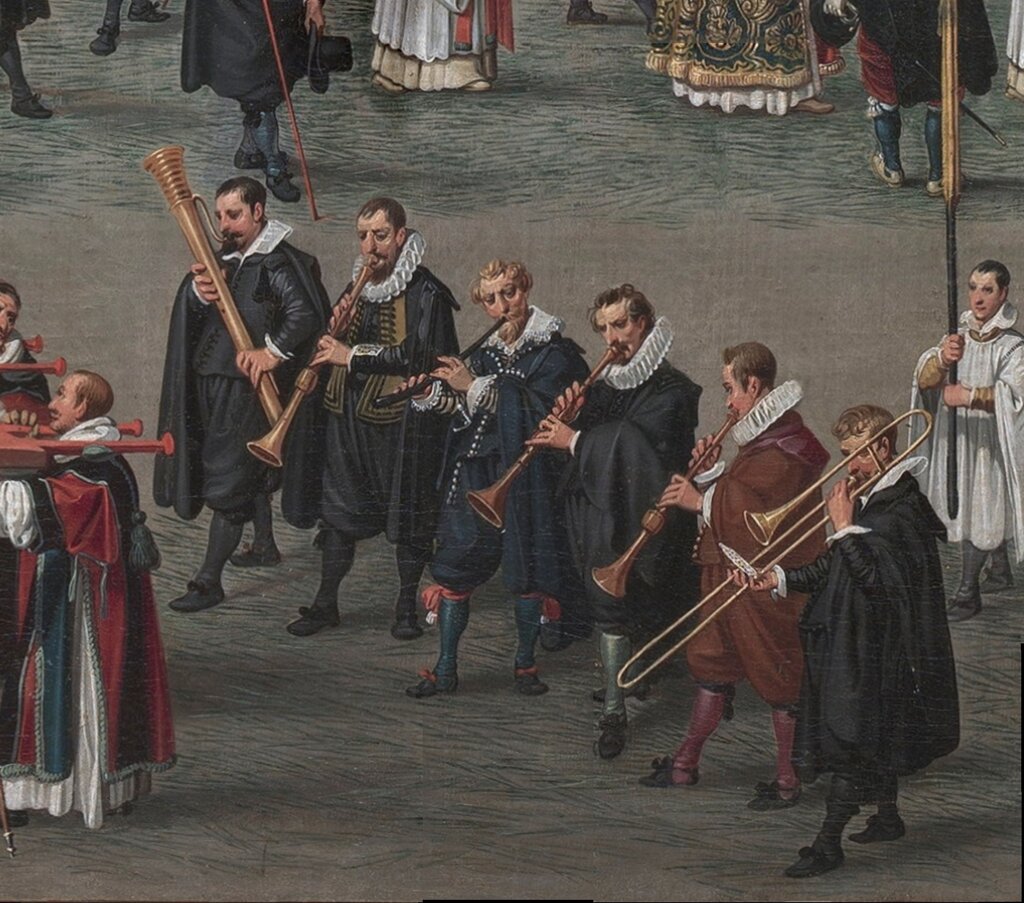
Fast forward to medieval and Renaissance Europe, and you'd find the shawm. Like the aulos, it was a double-reed instrument, but it was known for being exceptionally loud and piercing. Its conical wooden body amplified its sound, making it perfect for outdoor events. Shawms were the life of the party at processions, military fanfares, and town festivals. They were built to be heard over the noise of a crowd, not for subtle musical expression.
A Softer Voice for a New Era
By the mid-17th century, musical tastes in France were changing, especially at the court of King Louis XIV. The focus shifted from boisterous outdoor music to more refined indoor performances like ballets and operas. The loud, untamed sound of the shawm just didn't fit. Composers and musicians needed an instrument with the shawm's reedy character but with more control, a sweeter tone, and a wider dynamic range.
One person credited with the development of the oboe was Jean Hotteterre who narrowed the bore of the instrument and reduced the width of the reed.
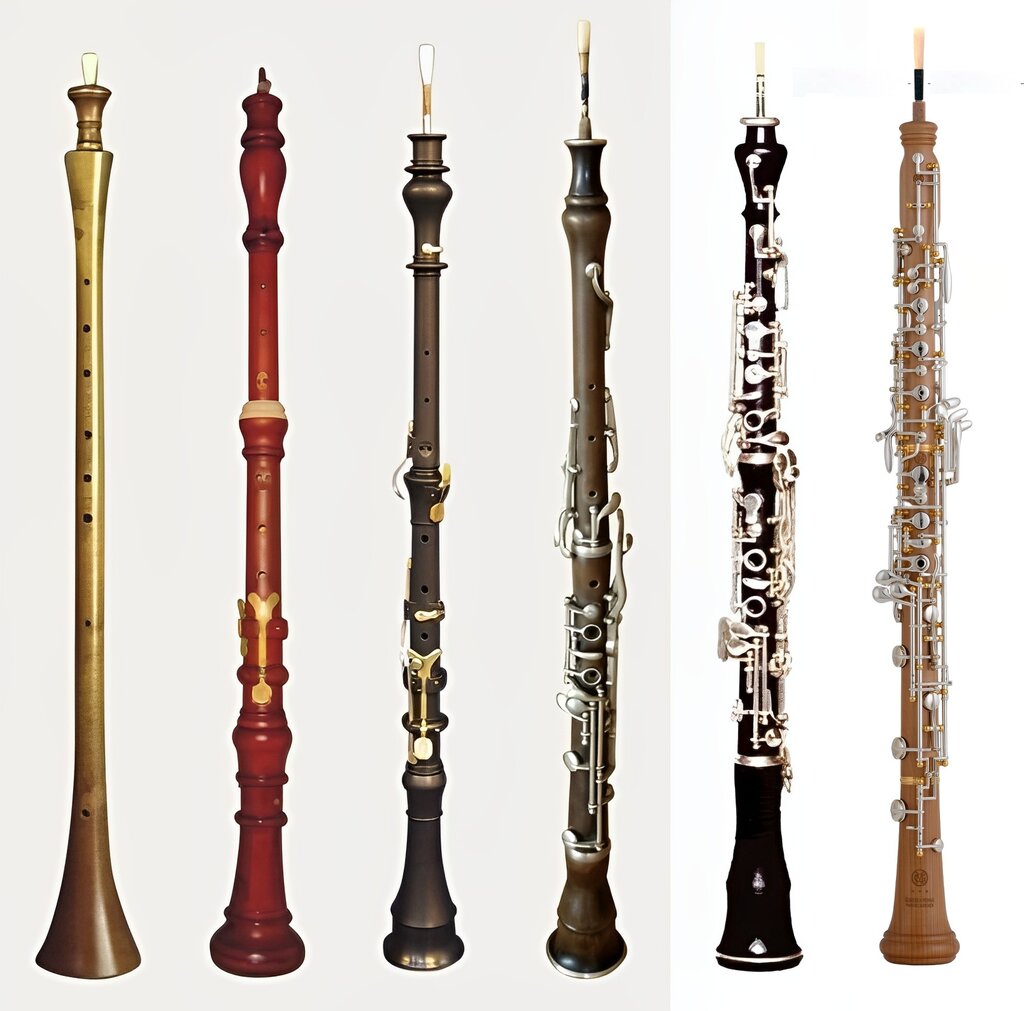
French instrument makers, including the Hotteterre family, began modifying the shawm. They created a new instrument called the hautbois, which translates to "high-wood" or "loud-wood." Despite the name, it was a significant refinement.
The key innovations were:
- A narrower bore: The inside of the instrument was tapered more delicately, softening the tone.
- A smaller reed: The player now held the smaller reed directly between their lips, allowing for much finer control over dynamics and pitch.
- Segmented construction: The instrument was made in three jointed sections, which improved its tuning.
- Added keys: The first few keys were added, allowing for a greater range of notes to be played accurately.
The Oboe Finds Its Place
The result was an instrument that was far more versatile and expressive than the shawm. The new hautbois, or Baroque oboe, had a plaintive, voice-like quality that could blend beautifully with strings and other new instruments in the orchestra, like the flute and bassoon. Its sound was sweet and lyrical, capable of both sorrowful melodies and joyful flourishes.
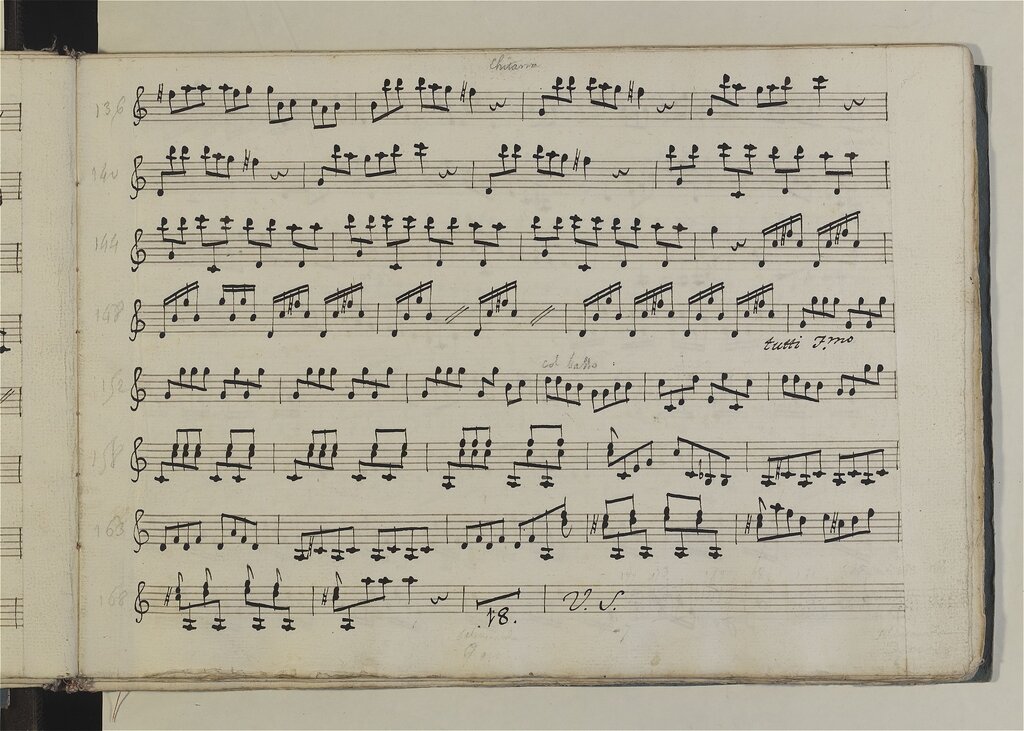
Composers like Jean-Baptiste Lully, the master of the French court's music, immediately embraced the oboe. It quickly became a standard member of the orchestra, prized for its unique color and melodic capabilities. This transition from a loud outdoor instrument to a refined indoor one marks the true birth of the oboe we know today.
Ready to check your understanding?
What was the primary reason for the development of the oboe from its predecessor, the shawm?
Which of the following was NOT an innovation that transformed the shawm into the Baroque oboe?
The oboe's journey from ancient fields to royal courts shows how instruments evolve to meet the changing needs of music and culture.