The Oboe Explained
Oboe Origins
From Shawm to Oboe
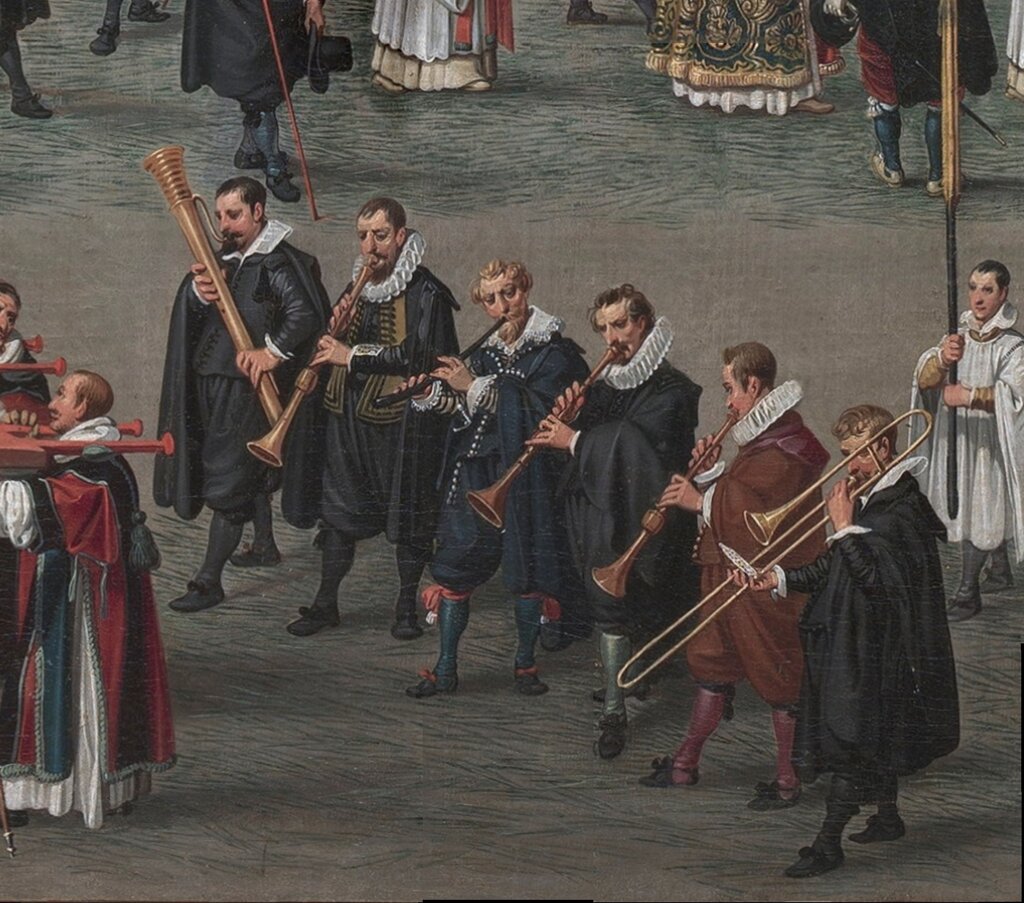
Before the oboe, there was the shawm. For centuries, this loud, powerful double-reed instrument was a common sight at outdoor events, from military processions to village festivals. The shawm had a piercing, trumpet-like tone that could easily cut through the noise of a crowd. While effective for open-air ceremonies, its raw and unrestrained sound was not suited for the more refined music developing indoors.
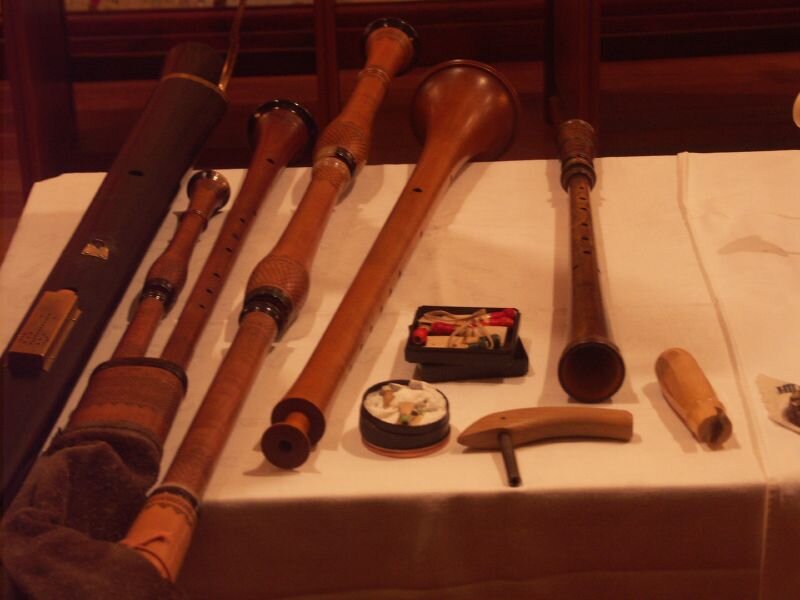
As musical tastes evolved, composers and performers began to favor subtlety and emotional expression, qualities the shawm lacked. This created a need for a new kind of double-reed instrument, one with a sweeter, more controlled voice.
A French Invention
The modern oboe was born in the musical world of 17th-century France, specifically at the court of King Louis XIV. The court was a hub of artistic innovation, and its musicians were constantly experimenting with instrument design.
The oboe was invented in France in the mid-17th century by two French court musicians, Jacques Hotteterre and Michel Philidor.
Musicians like Jacques Hotteterre and Michel Philidor took the basic design of the shawm and transformed it. They narrowed its conical bore, making the internal chamber slimmer. They also refined the reed, reducing its size. These changes softened the instrument's tone, giving it a more expressive and lyrical quality. The new instrument was constructed in three sections, which made it easier to craft with precision.
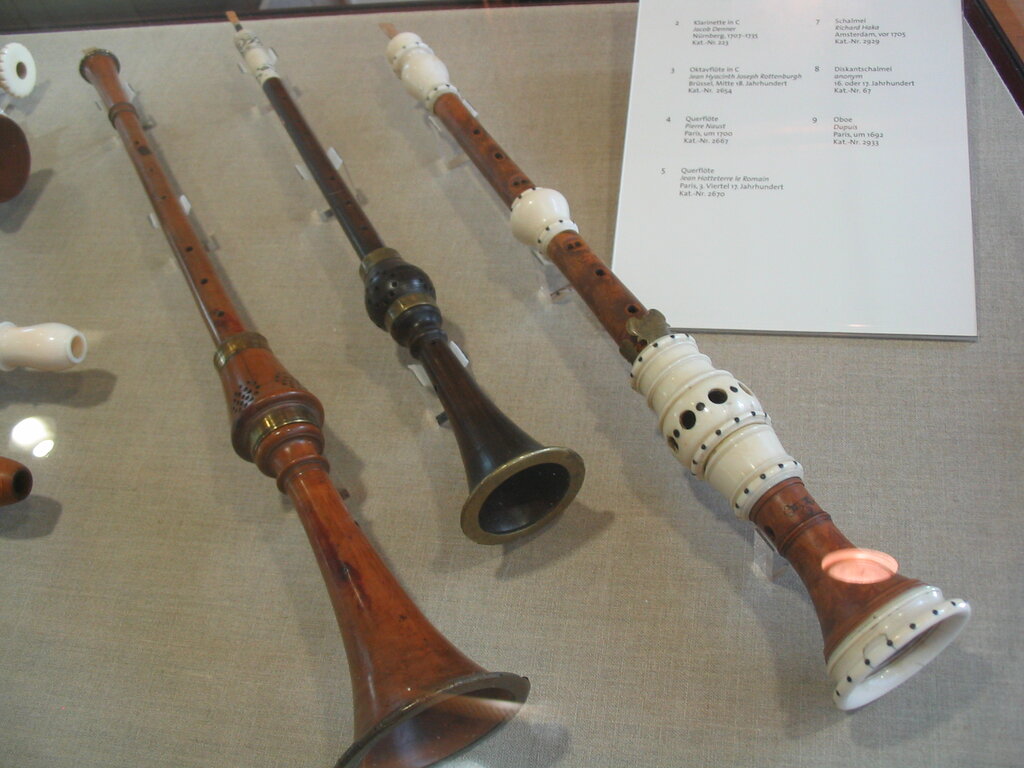
This new instrument was called the hautbois. The name reflects its sound and place in the woodwind family.
high-wood
A New Role in Music
The hautbois quickly found a home indoors. Its refined, versatile sound was perfect for the emerging orchestra and chamber ensembles. Unlike the shawm, which was too loud for indoor settings, the oboe could blend beautifully with strings and other woodwinds while still being able to carry a solo melody.
Composer Jean-Baptiste Lully, a dominant figure in the French court, was one of the first to feature the oboe in his orchestras, using it in his 1657 ballet L'Amour malade. The instrument's transition from the parade ground to the concert hall was complete. It had evolved from a loud ceremonial instrument into a key voice of the orchestra, capable of expressing a wide range of emotions.
Let's review the key terms from the oboe's origin story.
Now, test your knowledge on how the oboe came to be.
What was the primary reason the shawm was replaced by the oboe for indoor music?
The development of the modern oboe took place in the 17th-century court of which French monarch?
From its loud beginnings as the shawm to its refined debut in the French court, the oboe's creation marked a significant step in the history of woodwind instruments.