The Oboe Explained
Oboe Overview
A Unique Voice in the Woodwinds
Meet the oboe, a member of the woodwind family with a truly distinct personality. What gives it its special sound? It's all in the reed. The oboe is a double-reed instrument, which means its sound is produced by blowing air through two thin, small pieces of cane that are tied together. When these reeds vibrate against each other, they create the oboe's characteristic tone: clear, focused, and incredibly expressive.
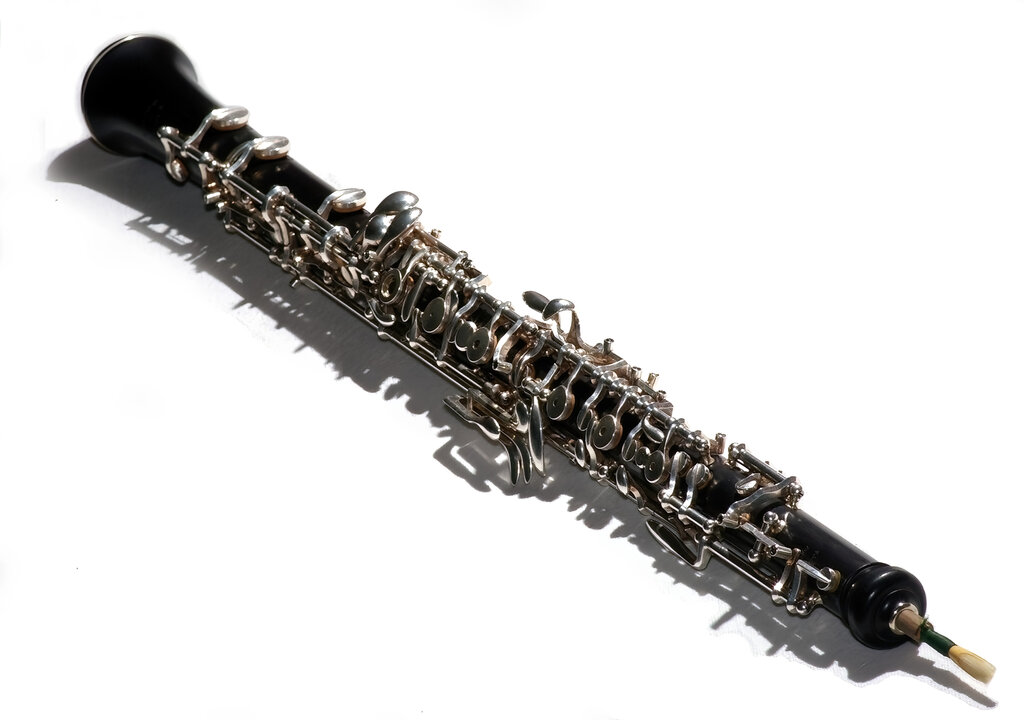
This penetrating sound is why the oboe holds a special place in the orchestra. Before a concert begins, you'll often hear a single, sustained note cutting through the chatter of the audience and the warm-up sounds of other instruments. That's the oboe, playing a concert 'A'. Because its pitch is so stable and easy to hear, all the other musicians in the orchestra tune their instruments to it.
The oboe's sound is often described as clear, penetrating, and a little bit nasal—in the best way possible. It can convey everything from soaring joy to deep melancholy.
Range and Versatility
The oboe isn't just a one-trick pony. It has an impressive musical range, typically stretching about two and a half octaves, from the B-flat just below middle C and soaring upwards. This gives composers plenty of room to write beautiful, lyrical melodies for the instrument.
While it’s a star in the symphony orchestra, the oboe is also a key player in smaller groups. It’s a standard member of the woodwind quintet, where its voice blends with the flute, clarinet, bassoon, and French horn. You’ll also hear its evocative sound in film scores, adding a touch of magic or suspense. Some adventurous musicians have even brought the oboe into jazz and pop music, proving its versatility across genres.
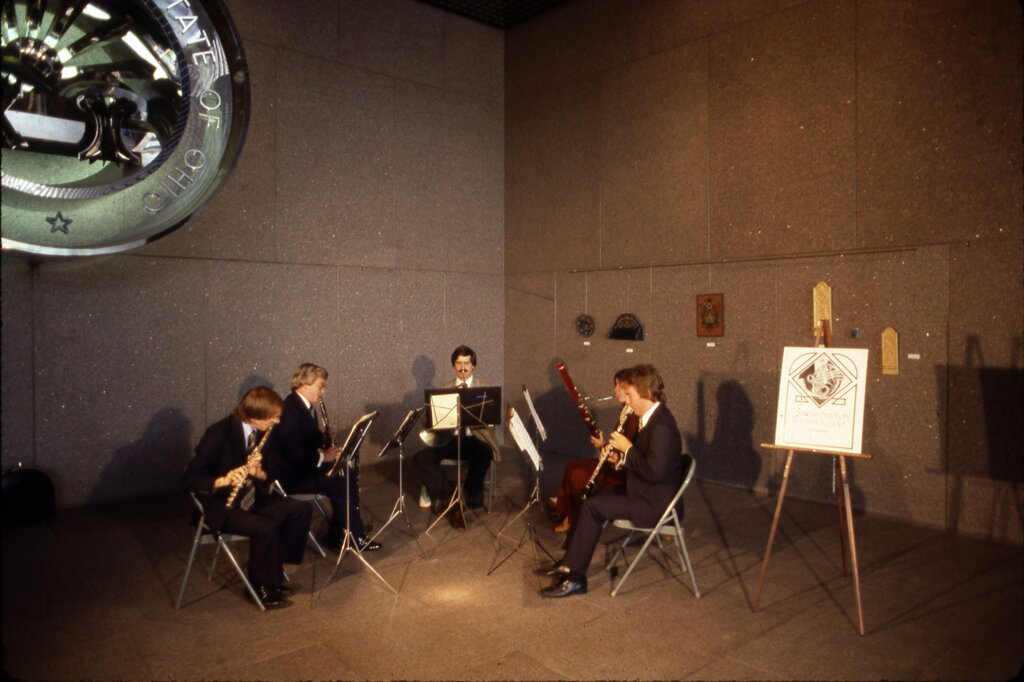
Its ability to sing out over other instruments or blend smoothly into the texture makes the oboe a favorite for solos that are emotional and memorable. Whether it's the mournful melody in a classical masterpiece or a bright, cheerful line in a chamber piece, the oboe always makes an impression.
Ready to test your knowledge? Let's see what you've learned about the oboe.
What is the primary mechanism that produces the oboe's characteristic sound?
Why is the oboe often used to give the tuning note for an orchestra?
From its role as the orchestra's tuning guide to its expressive solo capabilities, the oboe is a vital and distinctive member of the woodwind family.