The French Revolution and Its Global Legacy
Old Regime Crisis
An Unbalanced Society
In the late 18th century, France operated under a social and political system known as the . Society was rigidly divided into three orders, or Estates. This structure was a holdover from the Middle Ages and didn't reflect the realities of the time.
| Estate | Who they were | Privileges |
|---|---|---|
| First Estate | The Clergy (from archbishops to parish priests) | Owned ~10% of land, paid no direct taxes, collected tithes. |
| Second Estate | The Nobility (hereditary aristocrats) | Owned ~25% of land, paid almost no taxes, held top jobs in government and the military. |
| Third Estate | Everyone else (peasants, merchants, lawyers, artisans) | Made up ~97% of the population, owned the rest of the land, paid all the taxes. |
The First and Second Estates, despite holding most of the wealth and power, were largely exempt from taxation. The entire financial burden of the state fell upon the Third Estate. This wasn't just unfair; it was unsustainable.
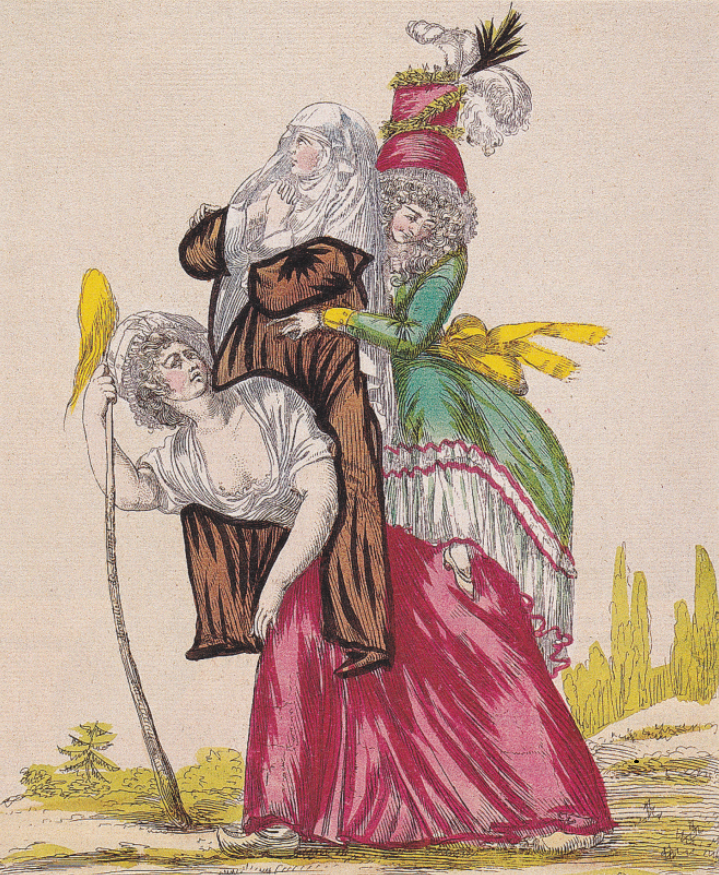
A Kingdom in Crisis
By the 1780s, the French monarchy was bankrupt. The lavish spending of the court, combined with the immense cost of wars, including France's support for the American Revolution, had plunged the country into massive debt. King was a well-meaning but indecisive ruler, unable to enact the financial reforms needed to save the kingdom.
To make matters worse, a series of poor harvests led to a severe shortage of grain. This caused the price of bread, the staple food for most French people, to skyrocket. Many families were spending over half their income just to feed themselves. Hunger and anger simmered across the country.
Faced with financial collapse and widespread unrest, Louis XVI was forced to take a drastic step. For the first time since 1614, he summoned the Estates-General.
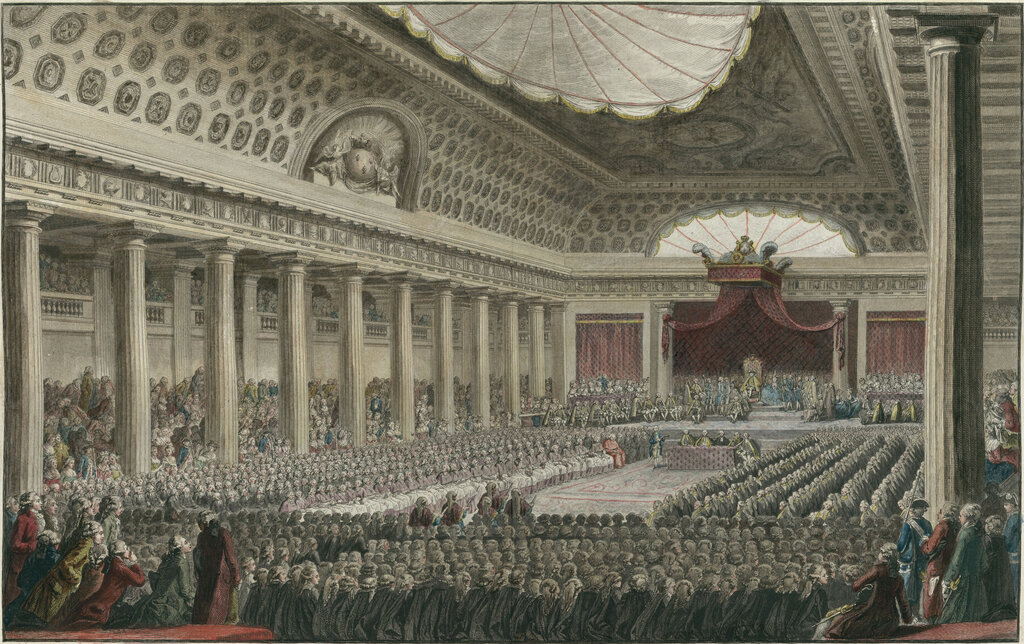
The Estates-General was a medieval assembly representing the three estates. The King hoped it would approve new taxes to solve the debt crisis. But the representatives of the Third Estate had other ideas. They came to Versailles in May 1789 not just to discuss taxes, but to demand fundamental political and social reform.
The People Declare Power
A major dispute broke out immediately. Traditionally, each Estate voted as a block, meaning the First and Second Estates could always outvote the Third. The Third Estate, representing the vast majority of the population, demanded voting by head, where each deputy's vote would count equally.
When the King and the other two estates refused, the Third Estate took a revolutionary step. On 17 June 1789, they declared themselves the National Assembly, claiming to be the sole legitimate representatives of the French people.
Three days later, finding their usual meeting hall locked, the deputies of the new National Assembly gathered in a nearby indoor tennis court. There, they took the famous , swearing not to disband until they had written a new constitution for France.
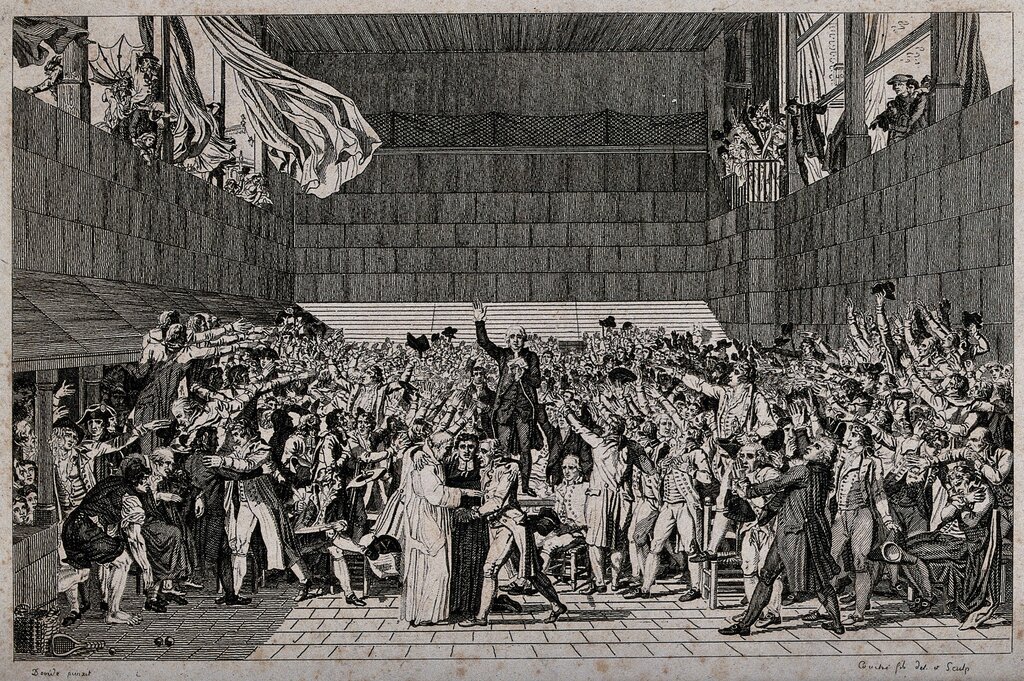
This act was a turning point. It transformed a financial crisis into a political revolution. The members of the Third Estate, by declaring themselves the National Assembly and taking the oath, had seized sovereign power from the monarch. The old order was crumbling, and a new France was about to be born.
What was the social and political system in 18th-century France known as?
What was the primary reason for the Third Estate's representatives declaring themselves the National Assembly?