The Enigmatic Euskera Language
Introduction to Euskera
A Language Unlike Any Other
In the mountains between Spain and France lives a language with no known relatives. It’s called Euskera, or Basque. While most European languages, from English to Russian, belong to the large Indo-European family, Euskera stands alone. It's a linguistic island in a sea of Romance and Germanic tongues.
language isolate
noun
A natural language with no demonstrable genealogical relationship with other languages; it has not been shown to descend from an ancestor common to any other language.
Imagine a family tree of languages. Spanish and French are close cousins, both descended from Latin. English is a more distant cousin, part of the Germanic branch. Euskera isn't on this tree. It’s a completely separate tree, with roots that stretch back before the Romans arrived, before the Celts, to a time and people we know very little about.
Where Is Euskera Spoken?
Euskera is the native language of the Basque Country, known as Euskal Herria. This region straddles the border of north-central Spain and southwestern France, nestled in the Pyrenees mountains. It's not a single political entity, but a cultural homeland.
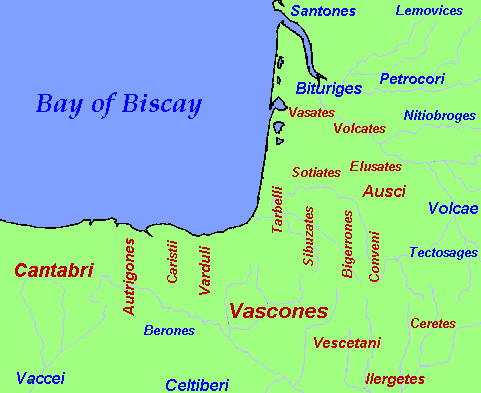
Today, there are around 750,000 active speakers. The language has co-official status in the Basque Autonomous Community and Navarre in Spain. While its presence in the French Basque Country is not officially recognized to the same degree, it remains a vital part of the local culture.
A Story of Survival
The survival of Euskera is remarkable. For millennia, it has coexisted with powerful, expanding languages. First came Latin with the Roman Empire, which evolved into Spanish and French. Yet, Euskera persisted in its mountainous heartland. It's a living link to the pre-Indo-European peoples of Western Europe.
The language faced its greatest threat in the 20th century under the dictatorship of Francisco Franco in Spain (1939-1975). Speaking Euskera in public was forbidden, and names were changed to their Spanish versions. The language was pushed to the brink of extinction.
Despite centuries of pressure from surrounding languages and active suppression, Euskera survived.
But a powerful revival movement began. Secret schools, called ikastolak, were established to teach the language to children. After Franco's death, a standardized version of the language, called Euskara Batua, was created to unite the different dialects. This allowed Euskera to be used effectively in education, media, and government. Today, the number of speakers, especially among young people, is growing.
The Heart of a Culture
For the Basque people, Euskera is more than just words. It is the cornerstone of their cultural identity. The very word for a Basque person highlights this connection.
A speaker of the Basque language; a Basque person.
Literally, Euskaldun means "one who has Euskera." This shows that, traditionally, language is the primary marker of being Basque. From music and literature to daily conversation, the language carries the unique worldview and history of its people.
From an ancient mystery to a modern success story, Euskera is a testament to the resilience of culture and the deep connection between a people and their voice.
Let's check your understanding of this unique language.
What is unique about the Euskera language's relationship to other European languages like Spanish or French?
The traditional homeland of the Euskera language, Euskal Herria, is located in which mountain range?