The Democratic Process Explained
Introduction to Democracy
What is Democracy?
The word 'democracy' comes from two ancient Greek words: dēmos, meaning 'people,' and kratos, meaning 'power.' Put them together, and you get 'rule by the people.' It’s a system of government where the ultimate authority rests with the citizens.
people, common people
This idea might seem normal today, but for most of human history, it was revolutionary. Power was usually held by a single ruler, like a king, or a small group of wealthy families.
democracy
noun
A system of government by the whole population, typically through elected representatives. From Greek dēmokratia, from dēmos 'the people' + -kratia 'power, rule.'
The First Democrats
The concept of democracy first took root in the city-state of Athens around the 5th century BCE. Athens was a polis, or city-state, a small, independent community. This small scale made a unique form of government possible.
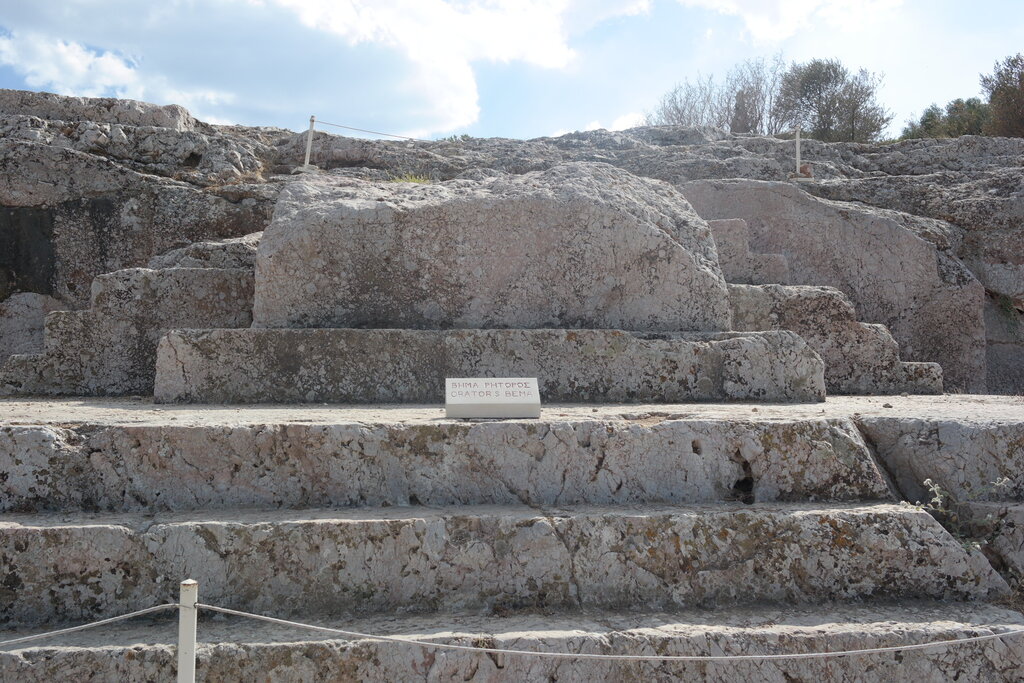
Athenian democracy was direct. Citizens didn't elect representatives to make laws for them; they did it themselves. They would gather in an assembly, debate issues, and vote on laws directly. This active involvement was not just a right but a duty.
However, 'citizen' was a narrow category. Only free, adult men who were born in Athens could participate. Women, slaves, and foreigners were excluded. So while it was a groundbreaking step toward government by the people, it was far from inclusive by modern standards.
Core Principles
The Athenian experiment laid the groundwork for three essential principles that remain at the heart of democratic thought today.
Political Equality This is the idea that every citizen's voice carries equal weight in public decisions. In Athens, this meant one man, one vote in the assembly. Your social status or wealth didn't give you extra voting power.
Citizen Participation Democracy isn't a spectator sport. It requires people to be actively involved. For Athenians, this meant attending the assembly, serving on juries, and holding public office. The health of the polis depended on everyone doing their part.
The Rule of Law This principle holds that everyone is subject to the law, including the rulers. No one is above it. Laws were written down and publicly displayed, ensuring that government officials couldn't act on whims. This created a system of accountability and protected citizens from arbitrary power.
These three ideas, born in ancient Greece, formed the foundation of democracy. They established that power could come from the people, that all citizens should have an equal say, and that laws should govern everyone.
Let's see what you've learned about the origins of democracy.
The word 'democracy' is derived from the ancient Greek words dēmos and kratos. What do these two words mean?
In the context of ancient Athens, who was considered a 'citizen' with the right to participate in the assembly?
While the Athenian model was limited, its core principles of equality, participation, and the rule of law have echoed through history, shaping how we think about government today.