The Business of Streaming and Media Trends
Streaming Industry Overview
The Rise of Streaming
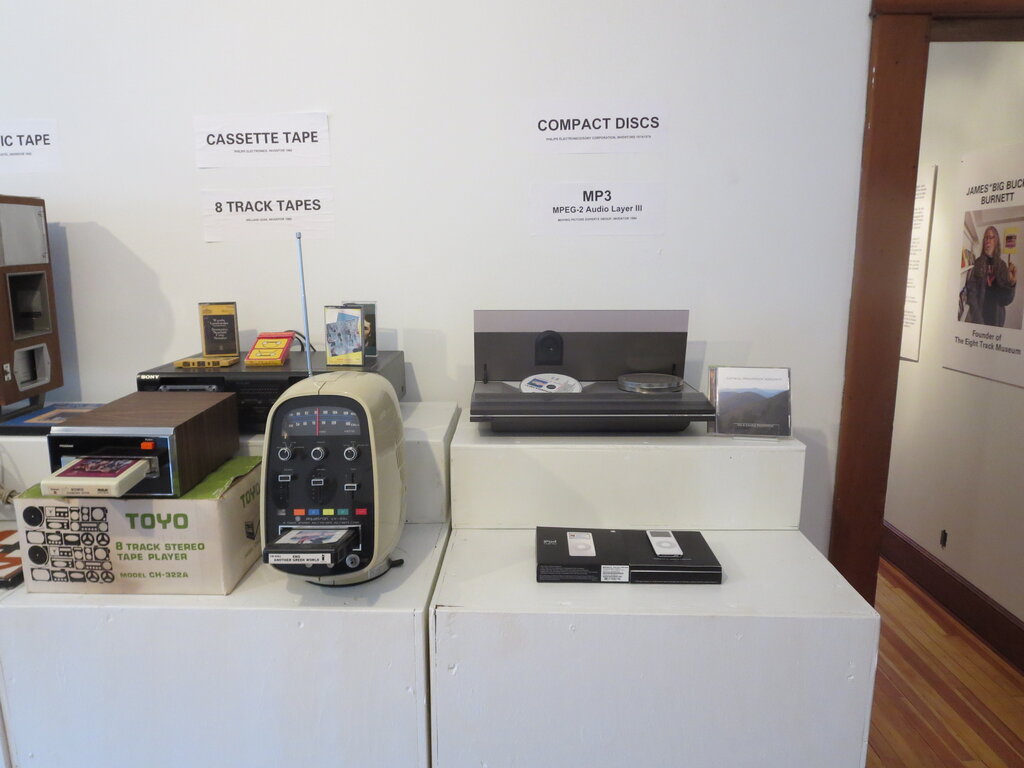
Not long ago, enjoying music or movies meant owning a physical object. You'd buy a CD, a DVD, or a vinyl record. Your collection was limited by your shelf space and your budget. This world of physical media gave way to a digital revolution, starting with downloads and eventually leading to the streaming services we use every day.
Early services like Napster showed a massive public appetite for instant digital access to music, even if the model was illegal. This disruption paved the way for legitimate companies to figure out a better, legal way to deliver content. The goal was to provide a vast library of entertainment, available anytime, anywhere, for a simple monthly fee.
Shaking Up the Old Guard
The shift to streaming fundamentally changed how we watch and listen. Traditional television relied on a fixed schedule. If you wanted to watch your favorite show, you had to be on your couch at 8 PM on a Tuesday. Movie theaters required a trip out and a ticket purchase for a specific showtime. Streaming broke these rules.
Suddenly, entire seasons of TV shows were available at once, ready to be “binge-watched.” This concept of on-demand consumption put the viewer in complete control. The effect on traditional media was seismic. Many people began “cutting the cord,” canceling their expensive cable TV subscriptions in favor of more flexible and affordable streaming options. The music industry, once reliant on album sales, had to adapt to a world where listeners paid for access to millions of songs rather than owning a few.
The media landscape is fundamentally transformed by streaming and on-demand consumption.
Meet the Players
The streaming landscape is crowded with companies all competing for your attention. The pioneers set the stage. Netflix, which started as a DVD-by-mail service, became the dominant force in video streaming. In the music world, Spotify emerged as the leader, offering a massive library of songs on a similar all-you-can-listen basis.
Their success attracted competition from all sides. Major tech companies like Apple (Apple TV+, Apple Music), Amazon (Prime Video), and Google (YouTube) launched their own services. Traditional media giants also entered the fray, creating platforms like Disney+, Max (from Warner Bros. Discovery), and Peacock (from NBCUniversal) to house their own valuable content.
How It All Works
Behind the simple interface of a streaming app, there's a complex system of business models, legal agreements, and technology working together.
The most common model is Subscription Video on Demand (SVOD). You pay a flat monthly or annual fee for unlimited access to the entire library, like with Netflix or Spotify Premium. Some services use an Advertising-based Video on Demand (AVOD) model, where content is free to watch but supported by ads. Many platforms now offer hybrid models, with cheaper, ad-supported subscription tiers.
Streaming services rarely own all the content they offer. Instead, they acquire the rights through content licensing. This involves paying studios and production companies for the right to stream a movie, TV show, or song for a specific period of time and in certain geographic regions. These deals are complex and expensive, which is why a show available on Netflix in one country might not be available in another.
To manage their massive libraries and rising costs, many platforms like Netflix and Amazon have become major producers themselves, creating exclusive “original content” that they own outright.
Finally, the technological backbone of streaming is immense. It relies on a global network of powerful computers called servers. When you press play, the video or audio file is sent from a server to your device in a process called data streaming. To ensure a smooth experience without constant buffering, services use a Content Delivery Network (CDN). A CDN is a geographically distributed group of servers that work together to provide fast delivery of content. It stores copies of media in multiple places around the world, so when you stream something, it comes from a server that's physically closer to you, reducing delays.
What was the primary way people consumed music and movies before the widespread adoption of digital downloads and streaming?
The rise of on-demand streaming led to a significant shift in consumer behavior known as "cutting the cord." What does this term refer to?
Streaming has moved from a niche technology to the primary way many of us experience media. It has reshaped entire industries and changed our cultural habits, all powered by a blend of clever business models and powerful global technology.