The Brain Train Method
Introduction to Cognitive Function
Your Brain's Toolkit
Think about everything you've done today. You woke up, maybe remembered a dream, planned your breakfast, and focused on reading this article. All these actions, from the simplest to the most complex, are powered by your cognitive functions. They are the mental processes that allow you to perceive the world, think, learn, and interact with your environment.
Essentially, cognitive function is the brain's ability to process information. It's not one single skill but a whole set of them working together. Think of it as your mind's toolkit, with different tools for different jobs. Let's look at the most important ones.
Cognition
noun
The mental action or process of acquiring knowledge and understanding through thought, experience, and the senses.
Memory: The Mental File Cabinet
Memory is your ability to encode, store, and retrieve information. Without it, you couldn't learn anything new or even recall your own name. It operates on different timelines.
Short-term memory, or working memory, holds a small amount of information for a brief period. It's what you use when you look up a phone number and hold it in your head just long enough to dial. It's like a mental notepad—useful in the moment, but quickly erased.
Long-term memory is the vast storage of knowledge and experiences you've collected over your lifetime. It’s where you keep everything from how to ride a bike (procedural memory) to the capital of France (semantic memory) and the story of your first day of school (episodic memory).
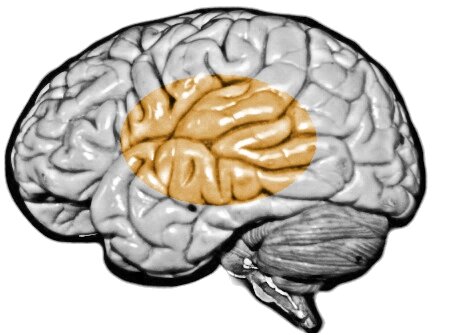
Attention: The Spotlight
Attention is the cognitive process of selectively concentrating on one thing while ignoring other distractions. It acts like a spotlight, illuminating what’s important and letting other things fade into the background.
If you're trying to read a book in a noisy cafe, your ability to focus on the words and tune out the chatter is your selective attention at work. If you're driving on a long, empty highway, your ability to stay alert and focused on the road is sustained attention. Attention is the gateway to memory; you can't remember something you didn't pay attention to in the first place.
Attention allows you to filter out the noise and focus on the signal. It's the gatekeeper of your consciousness.
Executive Functions: The CEO
If memory is the file cabinet and attention is the spotlight, then executive functions are the CEO of the brain. This is a suite of high-level skills that manage and control other cognitive processes. They help you plan, organize, solve problems, and regulate your emotions and actions.
Key executive functions include:
- Planning and Prioritizing: Deciding the steps to bake a cake or organizing your workday.
- Working Memory: Holding and manipulating information to complete a task, like doing mental math.
- Inhibitory Control: Resisting impulses and distractions, like not checking your phone while you're trying to work.
- Cognitive Flexibility: Shifting your thinking from one concept to another, like switching between speaking two different languages.
These functions are crucial for goal-directed behavior. They enable you to manage your time, make decisions, and adapt to new situations. Every time you weigh the pros and cons of a choice or map out a route to a new destination, you're using your executive functions.
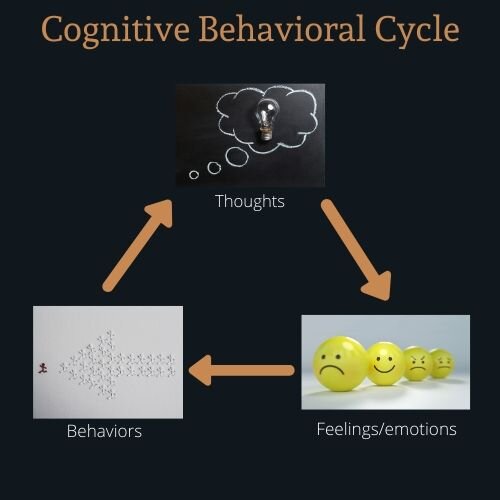
Together, these cognitive functions form the foundation of how you experience and navigate the world. They allow you to learn from the past, act in the present, and plan for the future. Understanding them is the first step toward understanding yourself.
Let's check your understanding of these core concepts.
What is the primary role of cognitive functions?
You are trying to remember a new friend's phone number just long enough to type it into your phone. Which type of memory are you primarily using?
Now that you have a solid grasp of these foundational ideas, you're ready to explore how they can be strengthened and applied.