The Assessment-First Value Proposition
Assessment-First Value Proposition
Start with an Assessment
Instead of leading with a pre-packaged solution, the most effective approach often starts with a simple question: Where can we make the biggest impact? An assessment-first value proposition is built on this idea. It’s a strategy where you first diagnose a client's business to find the most valuable opportunities for improvement before proposing any specific services.
Think of it like a doctor's visit. A good doctor doesn't prescribe medication the moment you walk in. They ask questions, run tests, and diagnose the root cause of the problem. Only then do they recommend a course of treatment. This method builds trust and ensures the solution is tailored directly to the actual need, not just a guess.
This approach shifts the conversation from "Here is what we sell" to "Let's discover what you need." By starting with a comprehensive evaluation, you uncover high-return opportunities that the client might not even see themselves.
How to Conduct an Assessment
A thorough assessment dives deep into a company's operations to identify areas ripe for improvement. The goal is to pinpoint specific ways to reduce costs, save time, and improve management efficiency. This isn't a quick glance at a spreadsheet; it's a methodical investigation.
The process typically involves gathering quantitative data (financial statements, performance metrics) and qualitative insights (interviews with employees and managers). You're looking for patterns, bottlenecks, and redundancies. The key is to understand how the business actually works on a day-to-day basis.
Here are the core areas to examine:
Cost Reduction: Look beyond the obvious expenses. Are there redundant software subscriptions? Inefficient shipping routes? Pricey vendors who could be replaced? The goal is to find hidden costs that drain resources without adding significant value.
Time Savings: Time is a resource. Map out key business processes from start to finish. Where are the delays? Are employees spending hours on manual data entry that could be automated? Streamlining these workflows frees up the team for more important tasks.
Management Efficiency: Analyze how leadership allocates its time. Are senior managers stuck in administrative weeds instead of focusing on long-term strategy? Improving management efficiency often involves delegating tasks, implementing better reporting systems, or clarifying decision-making processes.
The Private Equity Edge
This assessment-first model is fundamental to the private equity (PE) industry. When a PE firm acquires a company, its primary goal is to increase that company's value before eventually selling it. Their work often begins with a deep, operational assessment to build a "value creation plan."
Immediately after an acquisition, a PE firm will deploy a team to conduct a 100-day assessment. This team analyzes everything from supply chain logistics to marketing spend to management structure. They are hunting for the quickest and most impactful ways to improve the company's performance and profitability.
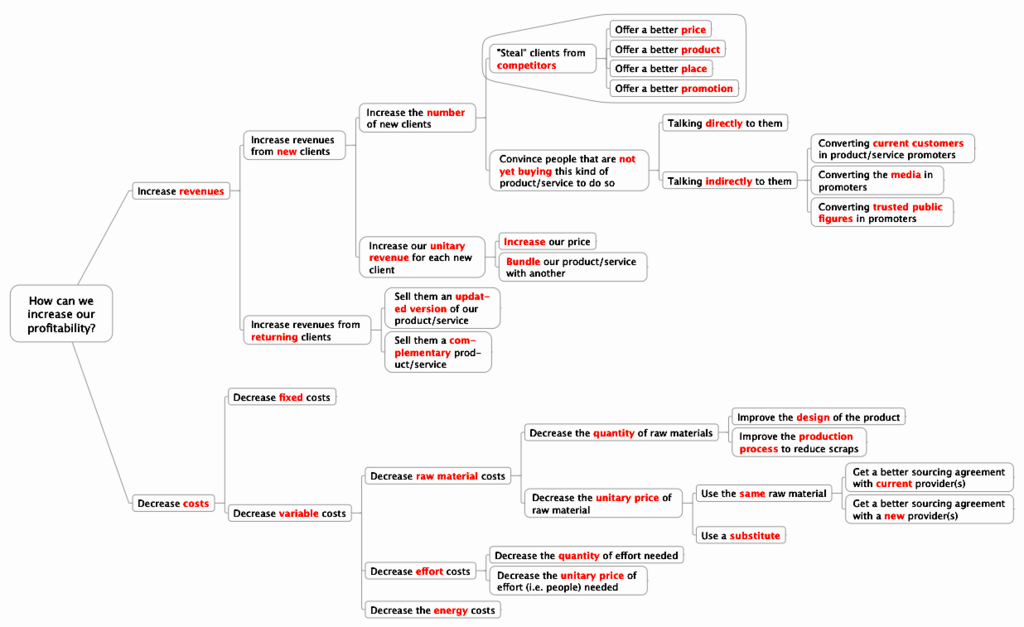
By identifying opportunities for cost savings, operational streamlining, and strategic growth early on, the firm can implement targeted changes that yield significant returns. The initial assessment provides the roadmap for the entire investment period, ensuring that all efforts are focused on initiatives that create real, measurable value.
Ready to check your understanding?
What is the core question that drives an assessment-first value proposition?
The text compares the assessment-first approach to a doctor's visit. What is the primary purpose of this analogy?
An assessment-first approach is about understanding before acting. By diagnosing a business's unique challenges and opportunities, you can craft a value proposition that is both powerful and precise.