The Art of the Bestseller
Identifying Your Target Audience
Who Are You Writing For?
Before you write a single word, you need to answer a fundamental question: who is this book for? The answer isn't "everyone." A book that tries to please everyone often ends up resonating with no one. The key to a successful book lies in understanding and writing for a specific group of people, known as your target audience.
Think of it like cooking. You wouldn't prepare the same meal for a group of five-year-olds as you would for a gathering of gourmet chefs. Your ingredients, cooking style, and presentation would all change based on who you're serving. The same principle applies to writing.
Defining your target audience is the foundation upon which you'll build your story, choose your tone, and eventually, market your book. It allows you to make focused decisions that connect with the right readers.
The Basic Building Blocks
The first step in identifying your audience is to look at their demographics. These are the basic, quantifiable characteristics of a group of people. While they don't tell the whole story, they provide a crucial starting point.
Key demographics to consider include:
- Age: Are you writing for teenagers, young adults, or a more mature audience?
- Gender: Does your story appeal more to a specific gender, or is it broad?
- Location: Is your story set in a specific region that might particularly attract locals?
- Education Level: What is the general educational background of your ideal reader? This can influence vocabulary and the complexity of ideas you explore.
- Occupation/Income: What do they do for a living? This can hint at their daily concerns, aspirations, and disposable income for buying books.
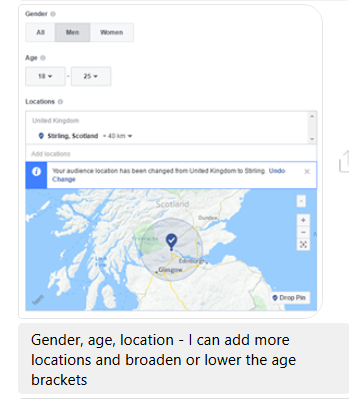
For example, an author writing a historical romance set in Regency England might target women aged 25-55 with a college education. An author of a gritty urban fantasy might aim for a younger, more diverse audience aged 18-35 living in major cities. These are generalizations, but they create a useful initial sketch of your reader.
Preferences and Habits
Demographics give you a skeleton, but understanding your readers' preferences and habits adds the personality. This is where you dig into their psychology and behavior as consumers of books.
Ask yourself questions about your ideal reader's lifestyle:
- What are their hobbies and interests? What do they do for fun besides reading?
- What are their values and beliefs? What do they care about deeply?
- What other genres do they enjoy? A fan of thrillers might also enjoy true crime podcasts.
- How do they consume books? Do they prefer physical books, ebooks, or audiobooks?
- Where do they discover new authors? Is it through TikTok (#BookTok), Goodreads, bookstore browsing, or recommendations from friends?
Knowing these details helps you understand your reader as a whole person. If your target audience for a cozy mystery novel also loves baking and gardening, you might incorporate those themes into your story. If they primarily listen to audiobooks during their commute, you'll know that a strong audiobook version is essential.
Gathering Your Insights
This might sound like a lot of guesswork, but there are practical ways to research your potential audience.
| Method | How to Do It |
|---|---|
| Analyze Similar Books | Find 3-5 books that are similar to yours in tone and subject. Read their online reviews. Who is reading them? What do they love or hate about them? This is a goldmine of information. |
| Join Online Communities | Participate in forums and groups where your target readers hang out. This could be a subreddit for a specific genre, a Facebook group for fantasy lovers, or a Goodreads discussion board. Listen to their conversations. |
| Look at Social Media | Search for hashtags related to your genre on platforms like Instagram or TikTok. See what kind of content gets the most engagement and who is posting it. |
| Talk to People | Ask librarians and booksellers who they see buying books like the one you're writing. They have firsthand knowledge of reader habits. |
The goal is not to spy, but to develop empathy for your future readers. The more you understand their world, the better you can write a book that feels like it was written just for them.
Knowing basic demographic and psychographic characteristics about your audience will help you narrow down where and when to reach them and what messages will best resonate.
Once you have a clear picture of your ideal reader, you can start tailoring your content. This doesn't mean changing your core story, but rather shaping it to meet their expectations. It can influence your main character's voice, the pacing of your plot, the complexity of your themes, and even the style of your book cover. By writing with a specific reader in mind, you create a more powerful and engaging experience.