TBI Recovery Variability Explained
Introduction to TBI
What Is a Traumatic Brain Injury?
A traumatic brain injury, or TBI, happens when a sudden, external physical force damages the brain. Think of the brain as a soft, delicate organ protected by the hard skull. When the head is hit with enough force, the brain can be jostled, hitting the inside of the skull. This movement can bruise the brain, tear nerve fibers, and cause bleeding.
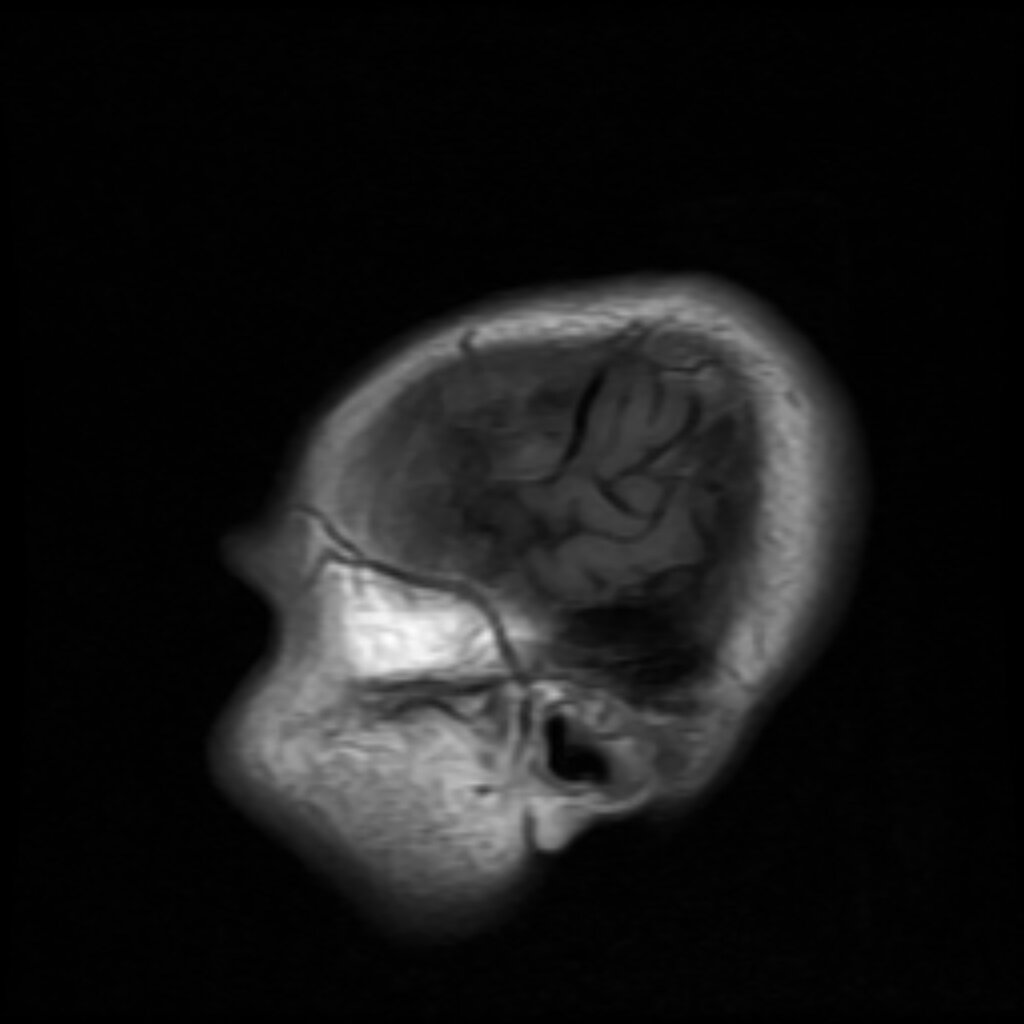
The term "traumatic" refers specifically to this external force. It separates these injuries from other types of brain damage that might result from strokes or infections.
Traumatic Brain Injury (TBI): Caused by external forces such as falls, car accidents, or sports injuries.
Common causes include falls, vehicle collisions, being struck by an object, and assaults. In sports, TBIs are often called concussions, which are a form of mild TBI.
Levels of Severity
Not all brain injuries are the same. Doctors classify them as mild, moderate, or severe based on factors like loss of consciousness and memory loss around the time of the event. This classification helps predict a patient's recovery.
| Severity | Loss of Consciousness | Memory Loss (Amnesia) | Imaging |
|---|---|---|---|
| Mild | None, or less than 30 minutes | Less than 24 hours | Brain scans usually normal |
| Moderate | 30 minutes to 24 hours | 24 hours to 7 days | Scans may show evidence of injury |
| Severe | More than 24 hours | More than 7 days | Scans show significant injury |
Mild TBI is the most common type, making up the vast majority of cases. A concussion is a prime example. While the symptoms can be frightening, most people with a mild TBI recover fully, though it can take time.
Moderate TBI involves a longer period of unconsciousness or memory loss. The effects are more significant and can lead to longer-lasting impairments. Recovery is possible, but it often requires rehabilitation.
Severe TBI is a life-threatening condition that can result in permanent brain damage. Patients with severe injuries often experience a coma and face significant, long-term challenges with physical and cognitive functions.
General Symptoms
Because the brain controls everything we do, a TBI can cause a wide variety of symptoms. The specific problems a person experiences depend on which parts of the brain were damaged and the severity of the injury.
Symptoms can be grouped into a few main categories:
- Physical: These can include persistent headaches, fatigue, dizziness, and problems with balance or coordination. Some people also experience seizures or sensitivity to light and sound.
- Cognitive: This involves our thinking processes. Common cognitive issues include memory problems, difficulty concentrating, slowed thinking, and trouble with planning or organization.
- Emotional and Behavioral: A TBI can also affect mood and behavior. It's common for individuals to experience irritability, anxiety, depression, or sudden mood swings.
Many people with TBI or head injuries face issues like headaches, dizziness, poor balance, memory problems, and weak muscles.
These symptoms can appear immediately after the injury or develop over the following days and weeks. For many, especially those with mild TBI, the symptoms resolve on their own. For others, they can become a long-term part of life.
What is the defining characteristic of a 'traumatic' brain injury (TBI) that separates it from other types of brain damage like strokes?
A person experiencing memory problems and difficulty concentrating after a head injury is displaying which category of symptoms?
Understanding the basics of what a TBI is, how it's classified, and its potential effects is the first step in recognizing and managing the condition.