Systematic Trading Strategies
Introduction to Systematic Trading
What Is Systematic Trading?
Systematic trading is a way of buying and selling in financial markets using a predefined set of rules. Instead of relying on gut feelings or real-time intuition, every decision—what to buy, when to buy, and when to sell—is determined by a strategy you've already laid out. Think of it like following a detailed recipe. The recipe tells you the exact ingredients and steps to bake a cake. You don't guess how much flour to add; you follow the plan. Systematic trading applies this same logic to the markets. The 'recipe' is your trading algorithm or system, and the 'ingredients' are market data.
The goal is simple: make trading decisions objective and repeatable by removing emotion and guesswork.
Systematic vs. Discretionary Trading
The opposite of systematic trading is discretionary trading. This is what most people picture when they think of a trader: someone watching the market closely, using their experience and judgment to make decisions on the fly. While both approaches can be successful, they are fundamentally different in their process.
A trading strategy is a systematic method for identifying trading opportunities based on predefined criteria.
A discretionary trader might sell a stock because of a sudden news event or a feeling that the market is turning. A systematic trader sells because a specific, pre-programmed rule has been triggered, like the stock's price falling below a certain moving average. The decision was made long before the event happened.
| Feature | Systematic Trading | Discretionary Trading |
|---|---|---|
| Decision Basis | Data and predefined rules | Intuition, experience, real-time analysis |
| Emotional Impact | Low; decisions are automated | High; susceptible to fear and greed |
| Consistency | High; the same rules are always applied | Varies; depends on the trader's mindset |
| Speed | Fast; computers execute trades instantly | Slower; requires human thought and action |
| Scalability | High; can monitor and trade many markets at once | Low; limited by a person's focus and time |
The Advantages of a System
Adopting a systematic approach has several key benefits. The most significant is emotional discipline. Financial markets can provoke strong feelings of fear and greed, which often lead to poor decisions like selling at the bottom or buying at the top. Because a systematic strategy operates on fixed rules, it acts as a barrier against these emotional impulses.
Consistency is another major advantage. Your system applies its logic to the market in the same way, day in and day out. This allows you to measure what works and what doesn't over time. Without that consistency, it's hard to know if a successful trade was due to skill or just luck.
Finally, systematic trading is highly scalable. A single person can only track a handful of stocks or assets at a time. A computer, on the other hand, can run a system that analyzes hundreds or even thousands of assets across different markets simultaneously, identifying opportunities that a human trader would inevitably miss.
Where Can You Use It?
The principles of systematic trading can be applied to virtually any financial market where good data is available. This is because the approach focuses on process rather than a specific asset. Some of the most common markets for systematic traders include:
- Equities: Individual stocks or baskets of stocks.
- Forex: The foreign exchange market, where currencies are traded.
- Commodities: Raw materials like gold, oil, and agricultural products.
- Futures: Contracts to buy or sell an asset at a future date.
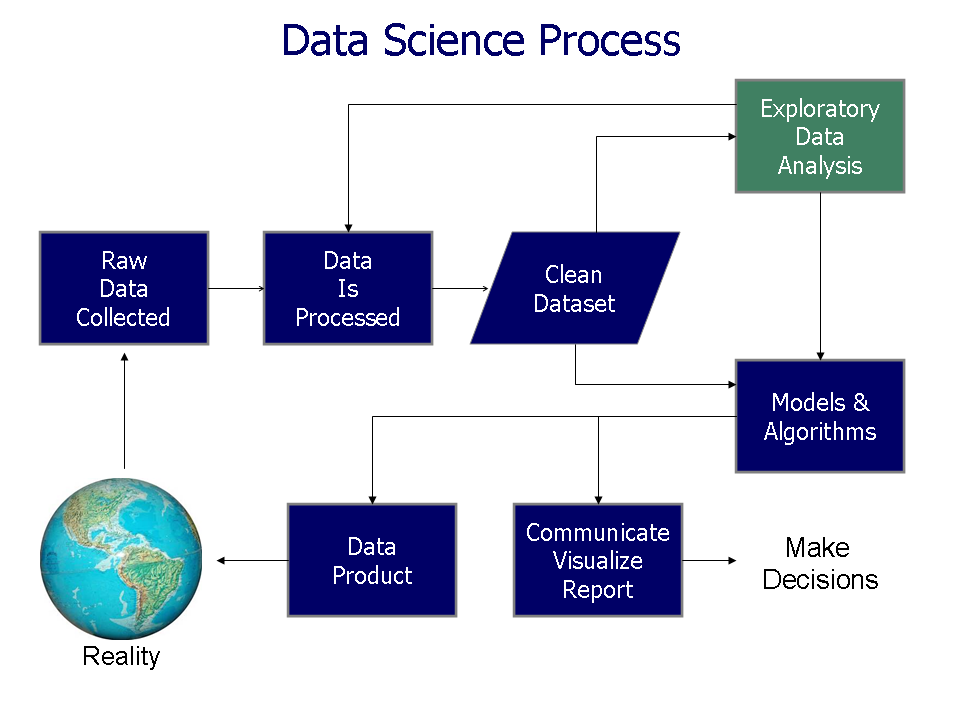
The core of any systematic strategy is data analysis. Whether it's historical price and volume data, economic reports, or even sentiment from news articles, the system needs data to identify patterns and generate trading signals. The strategy's rules are designed to capitalize on these patterns in a logical, repeatable way.
Now let's check your understanding of these foundational concepts.
What is the defining characteristic of systematic trading?
A discretionary trader sells a stock because a pre-programmed rule about its price falling below a specific moving average has been triggered.
By building a trading plan on clear rules and data, you replace emotional reactions with a consistent, objective process. This is the foundation of systematic trading.