Surfing Fundamentals to Intermediate Skills
Ocean Safety
The Unwritten Rules of the Waves
The ocean doesn't have traffic lights, but it does have rules. Knowing surf etiquette keeps everyone safe and makes the experience better for all. The most important rule is determining who has the right of way, or priority.
The surfer closest to the peak of the breaking wave has priority. This means it's their wave to ride.
When a wave has a single peak, the rule is simple. But what about when a wave breaks in both directions? In that case, two surfers can take off, one going left and one going right. The key is to communicate. A simple shout of "Going left!" can prevent a collision.
Never "drop in" on another surfer. This means taking off on a wave when someone else with priority is already up and riding. It's dangerous and the biggest foul in surfing. Similarly, when you're paddling back out to the lineup, don't paddle through the main surfing area where people are riding waves. Paddle wide, through the channel where the waves have already broken. This is called the "whitewater."
Finally, hold onto your board. A loose surfboard can become a dangerous projectile, hitting other people in the water. Always maintain control of your equipment.
Know Before You Go
A good session starts before you even touch the water. Checking the surf forecast is a crucial first step. It gives you a detailed picture of what the ocean is doing.
| Forecast Element | What It Means |
|---|---|
| Swell Size & Direction | Height of the waves and the direction they're coming from. |
| Swell Period | Time between waves, in seconds. A longer period often means more powerful waves. |
| Wind Direction & Speed | Offshore winds (blowing from land to sea) are ideal; they hold up the wave face. Onshore winds create choppy conditions. |
| Tide | The rise and fall of sea levels. Tides affect how waves break at different spots. Some spots work best on a high tide, others on a low tide. |
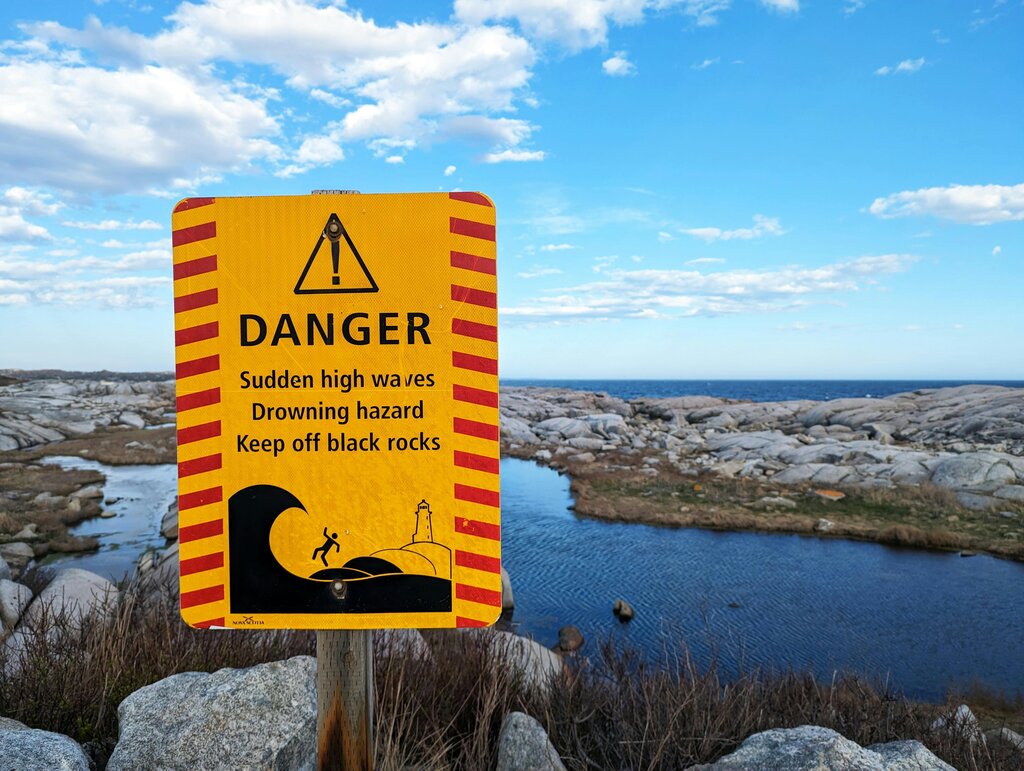
Once you're at the beach, take at least 15 minutes to observe the conditions. Don't just rush in. Look for potential hazards. Are there rocks or a shallow reef? Are there strong currents pushing water in a specific direction? Pay attention to where other, more experienced surfers are entering and exiting the water. They often know the safest paths.
Reading the Water
The most common and dangerous hazard at many beaches is a rip current. These are powerful, narrow channels of water moving away from the shore. They don't pull you under the water; they pull you out to sea.
Rip Current
noun
A strong, localized, and narrow current of water that moves directly away from the shore, cutting through the lines of breaking waves.
Learning to spot a rip current is a vital safety skill. Look for these signs from the beach:
- A channel of churning, choppy water.
- An area with a noticeable difference in water color.
- A line of foam, seaweed, or debris moving steadily out to sea.
- A break in the incoming wave pattern.
If you find yourself caught in one, the single most important thing to do is stay calm. Fighting the current directly will only exhaust you.
To escape a rip current, don't swim against it. Swim parallel to the shoreline until you are out of the current. Then, you can swim back to shore.
When Things Go Wrong
Even with careful planning, things can go wrong. You might get held under by a wave, lose your board, or find yourself farther from shore than you're comfortable with. Panic is the enemy. Your surfboard is a flotation device, so stay with it whenever possible. If you lose your board and are struggling, lie on your back to conserve energy and breathe.
If you need help, signal clearly. Raise one arm straight into the air and wave it back and forth. This is the universal signal for distress in the water. Try to attract the attention of lifeguards or other surfers. Knowing some basic CPR and first aid is also a great idea for any surfer, as you may be the first one to respond to someone else in trouble.
By understanding the rules, reading the conditions, and having a plan for emergencies, you can surf with confidence. Respect the ocean, know your limits, and look out for your fellow surfers.
Time to test your knowledge on staying safe in the surf.
What is the most significant foul in surfing, known as 'dropping in'?
You're caught in a rip current being pulled away from shore. What is the most important first step?
Staying aware and prepared is the key to a lifetime of safe surfing. Now you have the tools to better understand the ocean's power and how to navigate it.