Supply Chain Strategic Consulting
Network Design Strategies
Strategic Network Design
Moving beyond day-to-day logistics, strategic network design involves architecting the entire physical footprint of a supply chain. This isn't just about finding a cheap warehouse; it's a high-stakes decision-making process that shapes a company's ability to compete. The goal is to create a network of manufacturing plants, warehouses, and distribution centres that delivers both a strong return on investment (ROI) and resilience against disruption.
A core element of this process is optimising for (TLC). This calculation goes far beyond the price of shipping. It encompasses all costs incurred to get a product from the factory to the end customer, including duties, taxes, insurance, currency conversion, and last-mile delivery expenses. A low factory price in one country might be completely offset by high tariffs and transportation costs, making a seemingly more expensive, closer option the better financial choice. Accurately calculating TLC is the first step toward making a sound strategic decision.
Optimizing isn’t simply adding more warehouses as your business grows, it’s about positioning inventory based on actual demand patterns, balancing storage and transportation costs, and ensuring your network can adapt to market changes.
Choosing Your Network Model
Historically, many supply chains operated on a simple linear model: factory to distributor to retailer. But today's global economy demands more sophisticated structures. The two dominant modern approaches are hub-and-spoke and mesh networks.
The Hub-and-Spoke model consolidates inventory in a large, central distribution centre (the hub). From there, smaller, more frequent shipments are sent to regional facilities (the spokes) that serve local markets. This centralisation creates economies of scale in warehousing and can simplify inventory management. However, it also creates a single point of failure. If the hub is disrupted, the entire network can grind to a halt.
A Mesh Network, by contrast, is decentralised. Each node (warehouse or distribution centre) is connected to multiple other nodes. This creates redundant pathways for goods to travel. If one facility goes offline, inventory can be rerouted from other locations. This boosts resilience and can speed up delivery times by allowing for more direct routes. The trade-off is increased complexity and potentially higher costs, as inventory is spread across more locations and coordination becomes more challenging.
Right-Sizing for a Volatile World
Choosing a model is only the start. The real challenge is determining the optimal number, location, and size of your facilities, a process known as and right-sizing. This is especially critical in an era of fluctuating consumer demand and geopolitical instability. A network designed for predictable, stable demand will be inefficient and costly when faced with sudden spikes or dips.
Right-sizing means aligning your network's capacity with realistic demand forecasts, including volatility. It's not about having the maximum possible capacity everywhere, but about building a flexible and responsive system. This could mean having a mix of large, automated hubs for baseline demand and smaller, more agile facilities that can be scaled up or down quickly. Consulting firms like BCG and McKinsey have developed detailed frameworks for this, using advanced modelling to simulate how different network configurations would perform under various economic scenarios.
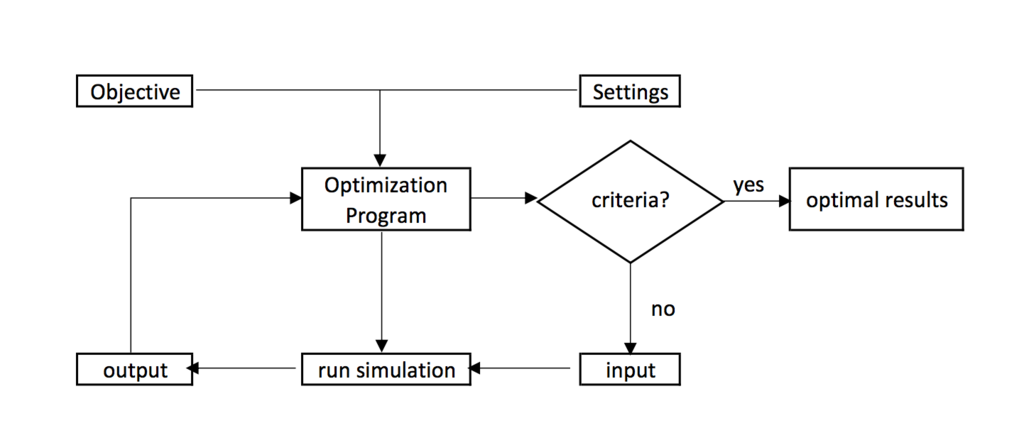
This kind of optimisation requires a balance between cost and service. For example, positioning a warehouse closer to a major city might increase real estate costs but drastically reduce last-mile delivery times and expenses, improving customer satisfaction. The key is to analyse the entire system, not just individual components. The ROI of network reconfiguration is measured in improved efficiency, reduced costs, and, crucially, a more resilient supply chain that can weather unexpected storms.
What are the two primary, often competing, goals of strategic supply chain network design?
A company wants to build a highly resilient supply chain where the failure of a single warehouse will have minimal impact on overall distribution. Which network model is best suited for this goal?
Ultimately, strategic network design is a dynamic process. The optimal footprint today may not be the optimal one in five years. Continuous monitoring and a willingness to adapt are the hallmarks of a truly resilient and competitive supply chain.