Stem Cells Explained
Introduction to Stem Cells
The Body’s Master Cells
Your body is made of trillions of cells, but they aren't all the same. A nerve cell is great at sending signals but can't carry oxygen. A muscle cell contracts but can't fight off bacteria. Most cells are specialists, locked into a specific job.
Stem cells are different. They are the body's raw materials—unspecialized cells from which all other cells with specialized functions are generated. Think of them as the versatile understudies in a play, ready to take on any role required.
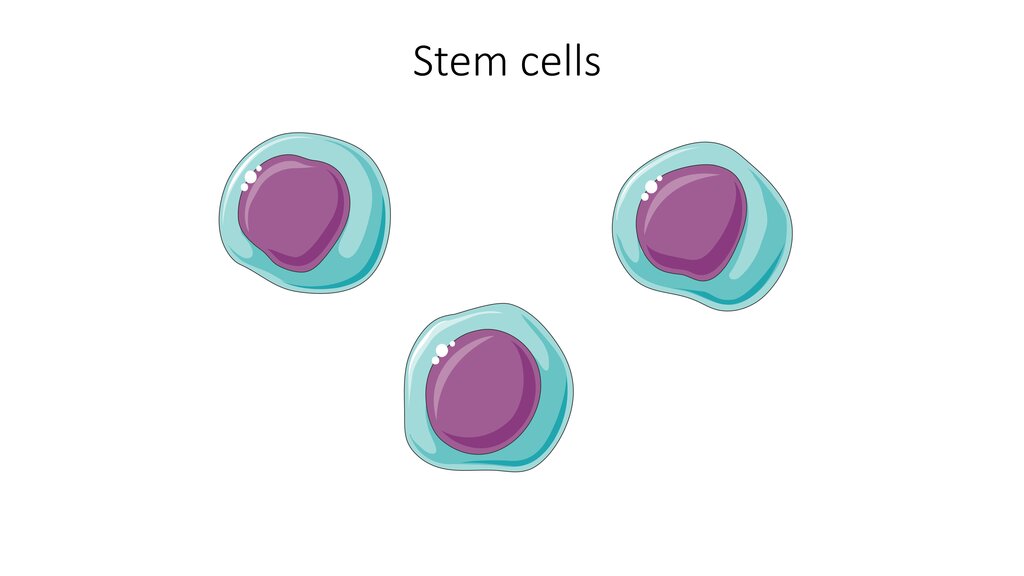
What makes a stem cell unique are two incredible abilities.
- Self-renewal: They can divide and make more copies of themselves.
- Differentiation: They can mature into various types of specialized cells.
This combination is powerful. Self-renewal ensures a lasting supply of stem cells, while differentiation allows them to replace damaged or worn-out cells throughout an organism's life. It's like having a repair crew on standby that can not only fix any problem but can also clone itself so the crew never runs out of members.
Types of Stem Cells
Stem cells are not all the same. Scientists categorize them based on where they come from and their potential to differentiate.
differentiate
verb
The process by which a less specialized cell becomes a more specialized cell type.
Embryonic Stem Cells (ESCs)
These are found in the inner cell mass of a blastocyst, a very early-stage embryo. Embryonic stem cells are pluripotent, meaning they can give rise to every cell type in the fully formed body, from neurons to skin cells.
Adult Stem Cells
Also known as somatic stem cells, these are found in small numbers in most adult tissues, such as bone marrow or fat. They are multipotent, which means they can differentiate into a limited range of cell types. For example, a hematopoietic stem cell from bone marrow can create all types of blood cells, but it can't become a brain cell.
Adult stem cells act as an internal repair system, dividing essentially without limit to replenish other cells as long as the person is still alive.
Induced Pluripotent Stem Cells (iPSCs)
These are a scientific breakthrough. iPSCs are adult cells, like skin or blood cells, that have been reprogrammed in a lab to an embryonic stem cell–like state. By introducing specific genes, scientists can essentially turn back the clock on a specialized cell, making it pluripotent again. This means an iPSC can then be prompted to develop into any type of cell in the body.
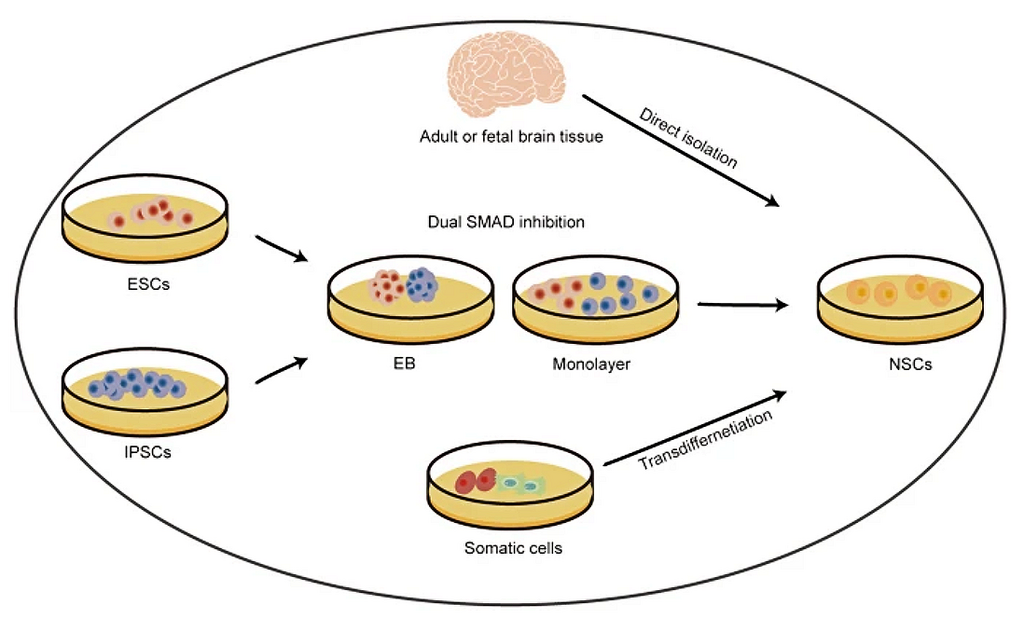
To keep these types straight, you can think of their potential like this:
| Stem Cell Type | Origin | Differentiation Potential |
|---|---|---|
| Embryonic (ESC) | Early-stage embryo | Pluripotent (all cell types) |
| Adult (Somatic) | Various body tissues | Multipotent (limited cell types) |
| Induced Pluripotent (iPSC) | Reprogrammed adult cells | Pluripotent (all cell types) |
Each type of stem cell has a unique role and potential, forming the foundation for much of modern biological research.
Ready to check your understanding?
What are the two defining properties that make a cell a "stem cell"?
A scientist reprograms a patient's skin cell in a lab, turning it back into an unspecialized cell that can become any cell type. What has the scientist created?