Spring AI Masterclass Foundations
Introduction to AI and Machine Learning
What are AI and Machine Learning?
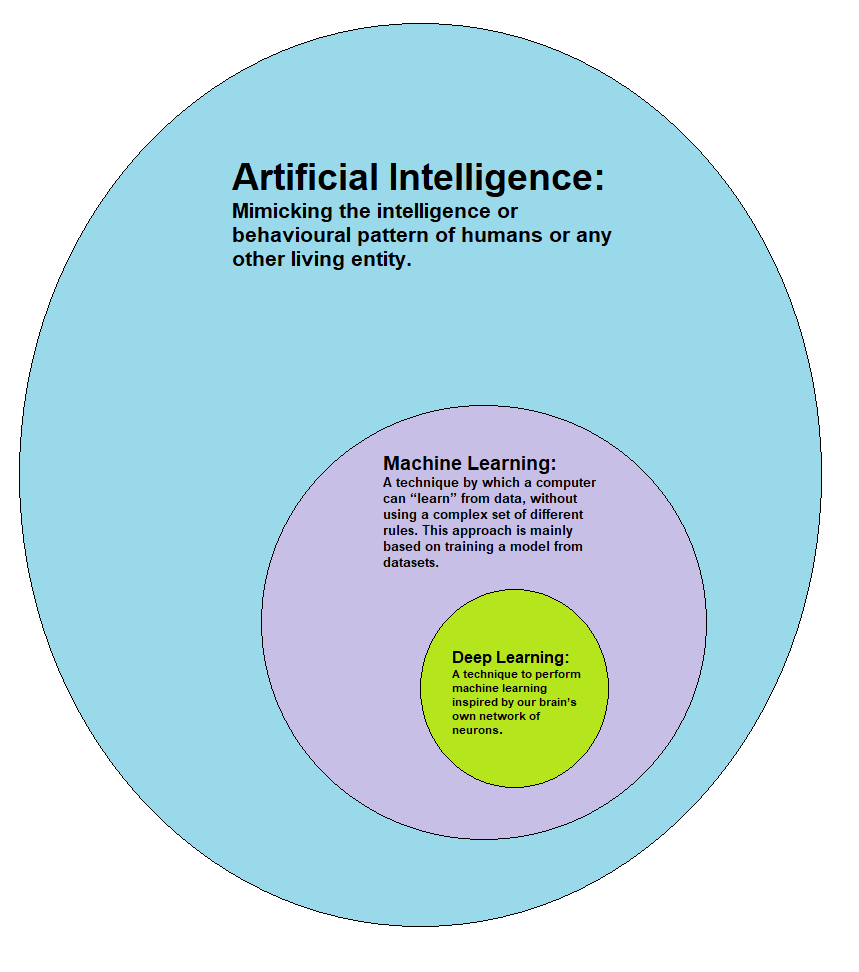
Artificial Intelligence (AI) is the broad idea of making machines that can think or act intelligently, like a human. It's about creating systems that can reason, learn, and solve problems on their own.
Machine Learning (ML) is a specific branch of AI. Instead of programming a machine with explicit rules for every possible situation, we give it a large amount of data and let it learn the rules for itself. ML is the engine that powers most of the AI we see today.
Think of it this way: AI is the goal of creating an intelligent machine, and Machine Learning is the most common path to get there.
A Brief History
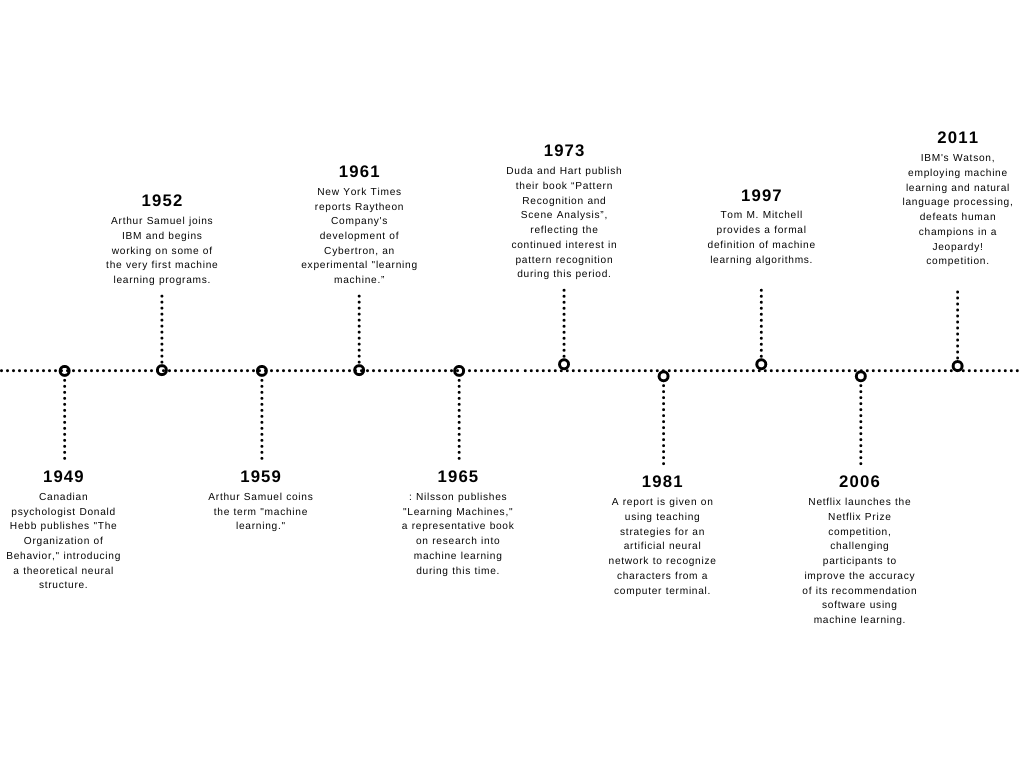
The idea of AI has been around for centuries, but the modern field began to take shape in the 1950s. Early researchers were optimistic, believing that a machine with human-like intelligence was just a few decades away. Progress was slower than expected, leading to periods of reduced funding and interest known as "AI winters."
However, two things changed the game: the availability of massive amounts of data and huge increases in computing power. These developments allowed Machine Learning techniques, some of which had existed for decades, to finally work on a practical scale. This led to the AI boom we see today.
How Machines Learn
Machine learning isn't a single technique; it's a collection of different approaches. The three main types are supervised, unsupervised, and reinforcement learning. The right one to use depends on the problem you're trying to solve and the kind of data you have.
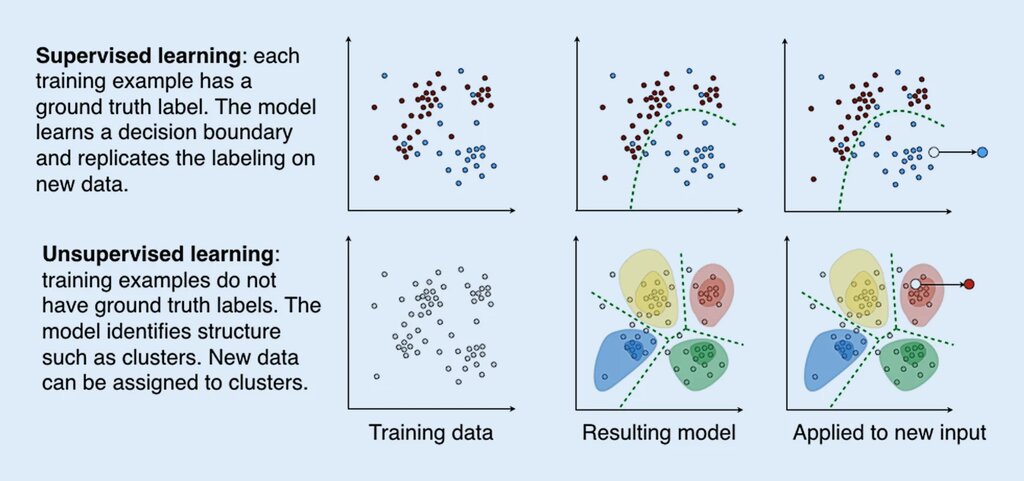
Supervised Learning This is the most common type of ML. You give the machine data that's already been labelled with the correct answers. The machine's job is to learn the relationship between the inputs and the correct outputs.
For example, to train an email spam filter, you'd feed it thousands of emails that have already been labelled as either "spam" or "not spam." The algorithm learns the patterns associated with spam, so it can later classify new, unlabelled emails.
Unsupervised Learning In this case, you give the machine data with no labels. The goal isn't to predict a correct answer, but to find hidden patterns or structures within the data itself.
A classic example is customer segmentation. A retail company might use unsupervised learning to group its customers into different clusters based on their purchasing habits. This can reveal natural groupings that the company wasn't aware of, helping them to target marketing more effectively.
Reinforcement Learning This type of learning is inspired by how humans and animals learn. An algorithm, or "agent," learns by interacting with an environment. It gets rewards for good actions and penalties for bad ones. Over time, the agent learns a strategy, or "policy," that maximises its total reward.
Reinforcement learning is often used to teach machines to play games, like Chess or Go, where the optimal move isn't always obvious. It's also used in robotics, to teach robots how to perform complex tasks in the real world.
The Language of Machine Learning
As you learn more about ML, you'll come across some key terms. Understanding them is essential to understanding how the process works.
Data
noun
The raw information fed into a machine learning system. It can be images, text, numbers, or any other form of information. Data is the fuel for machine learning; without it, the machine can't learn.
The quality and quantity of your data are crucial. A machine learning system is only as good as the data it's trained on.
Algorithm
noun
A set of rules or steps that the machine follows to learn from data. It's the recipe that processes the data and finds the patterns.
Think of an algorithm as a general-purpose tool. You can use the same algorithm on different datasets to solve different problems.
Model
noun
The output of the training process. When an algorithm is trained on a set of data, it creates a model. This model is a specific set of patterns and rules that represents what the algorithm has learned.
Now let's look at the two main stages of an ML project: training and inference.
Training is the process of feeding data to an algorithm to create a model. The algorithm adjusts its internal parameters to find the patterns in the data. This is the "learning" part of machine learning.
Inference is the process of using the trained model to make predictions on new, unseen data. For example, when your email service uses its spam filter model to decide whether a new email is spam, that's inference.
Which statement best describes the relationship between Artificial Intelligence (AI) and Machine Learning (ML)?
What were the two primary factors that ended the 'AI winters' and led to the current boom in machine learning?
You now have a solid foundation in the core concepts of AI and Machine Learning. You understand what they are, how they relate to each other, and the basic terminology used in the field.