Software Engineering Fundamentals for Product Managers
Software Development Life Cycle
The Recipe for Building Software
Building a software application is a lot like constructing a house. You wouldn't just start throwing up walls without a plan. You need blueprints, a budget, a schedule, and a clear idea of what each room will be used for. The Software Development Life Cycle, or SDLC, is the blueprint for building software. It's a structured process that guides teams from a simple idea to a fully functional product.
For a product manager, understanding the SDLC is essential. It provides a roadmap for the entire project, helping you anticipate timelines, manage resources, and communicate effectively with engineers, designers, and stakeholders. It turns the complex process of software creation into a series of manageable steps.
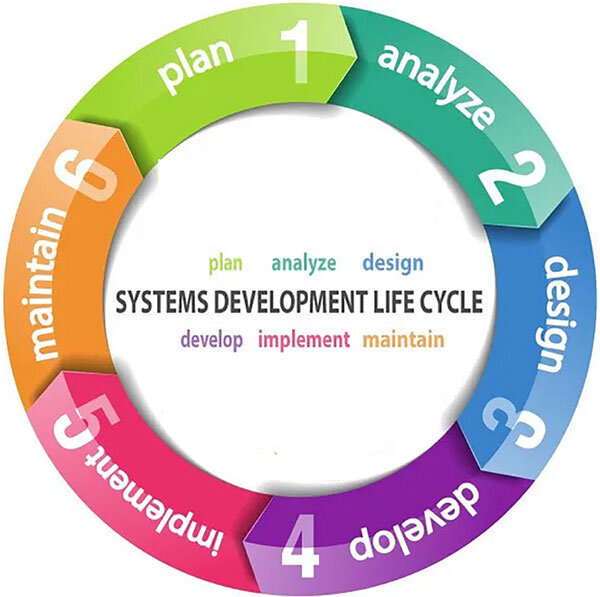
While there are different ways to follow this process, most approaches include a similar set of core phases. Each phase has its own goals and produces specific results, called deliverables, that pave the way for the next step.
The Phases of Development
Let's walk through the typical stages of the SDLC. Think of them as the sequential steps in our house-building analogy.
-
Planning: This is where it all begins. The team determines the scope of the project, assesses its feasibility, and estimates the necessary time and resources. For product managers, this involves defining the high-level goals and ensuring the project aligns with the company's overall strategy.
-
Analysis (Requirements): Here, the team figures out exactly what the software needs to do. Product managers work closely with stakeholders and users to gather requirements. These are often written as user stories, like "As a user, I want to be able to reset my password." The goal is to create a detailed list of features and functions.
-
Design: With the requirements clear, it's time to design the solution. This isn't just about how the product looks (UI/UX design); it's also about the underlying architecture. Software architects and senior engineers create the technical blueprints, deciding on the database structure, programming languages, and how different parts of the system will interact.
-
Implementation (Development): This is the construction phase. Developers take the design documents and write the actual code. They build the features, connect to databases, and piece together the application according to the blueprint.
-
Testing: Once the code is written, it needs to be tested for bugs and defects. Quality Assurance (QA) engineers run various tests to ensure the software works as expected, is secure, and performs well under pressure. If they find issues, they send it back to the developers to fix.
-
Deployment: After the software passes testing, it's ready to be released to users. This phase involves preparing servers, migrating data, and making the application live. The launch might happen all at once or be rolled out to users in stages.
-
Maintenance: The job isn't over after launch. The team must monitor the software for bugs, listen to user feedback, and release updates and improvements over time. This phase ensures the product remains useful and reliable long after its initial release.
Models and Methods
Teams don't all follow these phases in the same way. The specific approach they take is called an SDLC model. Two of the most common are Waterfall and Agile.
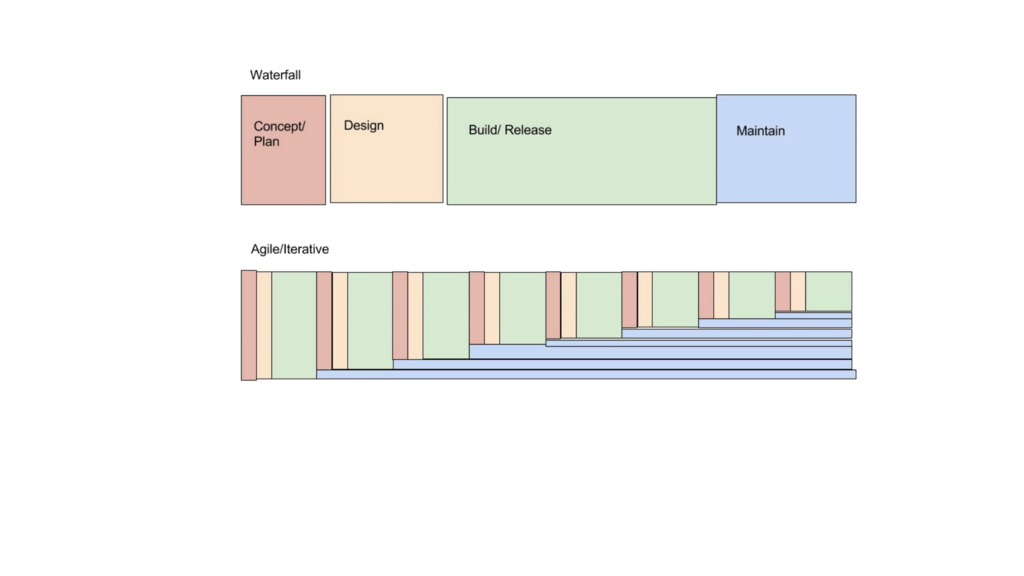
The Waterfall Model is the traditional, classic approach. Just like a real waterfall, development flows in one direction from one phase to the next. You complete all the planning, then all the design, then all the coding, and so on. You can't move to the next phase until the current one is 100% complete.
- Benefit: It's very structured and simple to manage. The goals and deliverables for each phase are crystal clear.
- Challenge: It's inflexible. If you discover a problem or want to make a change late in the process, it's very difficult and costly to go back to an earlier phase.
The Agile Model takes a different approach. Instead of building the entire product at once, Agile teams work in short, iterative cycles called sprints. In each sprint (which typically lasts 2-4 weeks), the team plans, designs, builds, and tests a small piece of the product.
- Benefit: It's highly flexible and adaptive. Customer feedback can be incorporated at the end of each sprint, allowing the product to evolve. It's great for projects where the requirements aren't fully known at the start.
- Challenge: It requires close collaboration and can be less predictable in terms of final deadlines and costs.
There are other models too, like the Spiral model, which combines the iterative nature of Agile with the risk management focus of Waterfall. The key is choosing the model that best fits the project's needs.
Now let's check your understanding of the SDLC.
What is the primary purpose of the Software Development Life Cycle (SDLC)?
In which phase of the SDLC are user stories, such as 'As a user, I want to reset my password,' formally gathered and defined?