Software Engineering Fundamentals
Introduction to Software Engineering
More Than Just Code
Think about the difference between building a simple garden shed and constructing a skyscraper. For the shed, you might just start hammering wood together. For the skyscraper, you need blueprints, a team of specialists, and a detailed plan for every phase of construction. You need an engineering approach.
Software development is similar. Writing a small script for yourself is like building the shed. But creating a complex application used by thousands of people requires a more disciplined, structured method. This is the core idea of software engineering.
Software Engineering
noun
The systematic application of engineering principles to the design, development, testing, and maintenance of software.
It’s not just about writing code. It's about applying a systematic process to solve problems reliably and efficiently. It transforms programming from a personal craft into a predictable engineering discipline that can create massive, complex systems that work.
The Need for a Process
Without a structured process, software projects often run into serious trouble. Deadlines are missed, budgets are exceeded, and the final product is often buggy or difficult to use. The code might be a tangled mess that no one can update or fix without breaking something else. This is often called 'spaghetti code'.
A structured process provides a roadmap. It ensures that everyone on the team knows what they need to do, how they need to do it, and when. It brings order to the complexity of building software, making the outcome more predictable and successful. This is where the concept of a 'lifecycle' comes in.
A process isn't about restricting creativity. It's about channeling it to build something that lasts.
The Software Lifecycle
In software engineering, the roadmap for building software is called the Software Development Lifecycle, or SDLC. It’s a framework that outlines the key stages a project goes through, from the initial idea to its final retirement.
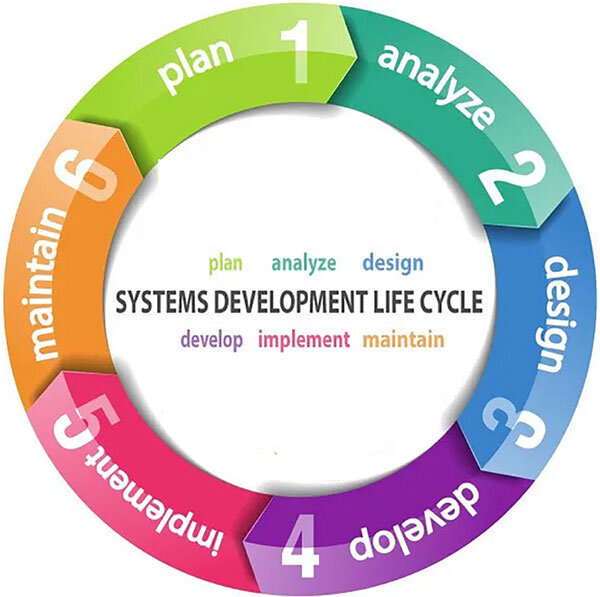
As you can see, the SDLC is a cycle. It typically starts with planning and understanding the requirements, moves into design and development, and then to testing and deployment. A crucial final phase is maintenance, which involves fixing bugs and adding new features after the software is released.
Think of it as the master plan for the skyscraper. It ensures that the foundation is laid before the walls go up and that the electrical systems are in place before the interior is finished. Every step has a purpose and follows a logical order, leading to a high-quality, reliable, and maintainable final product.