Software Engineer Performance Management
Introduction to Performance Management
What Is Performance Management?
Performance management is the ongoing process of communication between a manager and an employee to support the employee's development and achieve the organization's goals. Think of it less as a yearly report card and more as a continuous conversation. The main purpose is to make sure everyone is on the same page, working towards the same objectives, and has the support they need to succeed.
It's a partnership aimed at aligning individual efforts with the company's broader mission. When done right, it helps employees understand how their specific role contributes to the bigger picture.
The Old Way vs. The New Way
For a long time, performance management meant one thing: the annual review. This was often a stressful, backward-looking meeting where a manager would rate an employee's performance over the past twelve months. It was a one-way street, with little room for real dialogue or forward-thinking development.
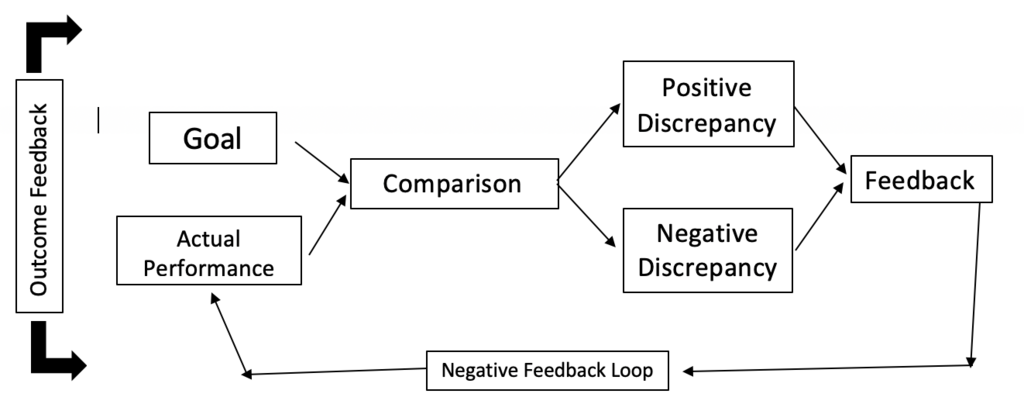
Today, the approach has evolved. Modern performance management is built on the idea of continuous feedback. Instead of a single, high-stakes meeting, there are frequent, informal check-ins. This model treats performance as a dynamic process, not a static event. It’s about coaching in the moment, adjusting goals as things change, and focusing on growth and future potential.
Why Bother?
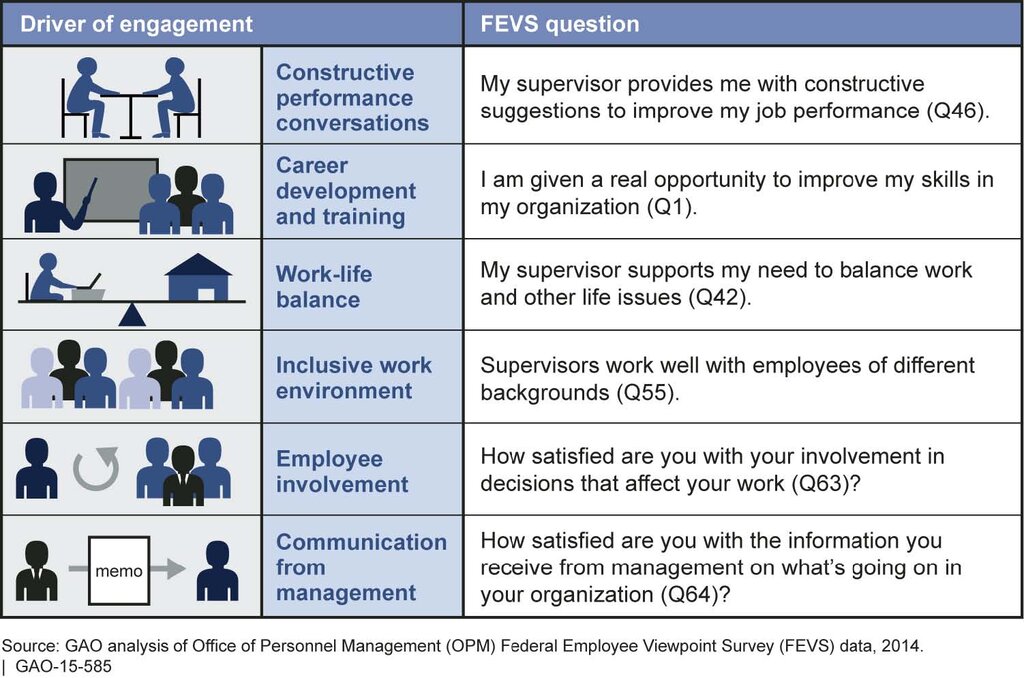
Moving to a more continuous model takes effort, but the benefits are significant. When employees have clear goals and receive regular feedback, they feel more connected to their work and the organization.
Feedback can help improve employee performance and create successful teams.
Effective performance management leads to:
- Increased Engagement: Regular conversations make employees feel valued and heard. They understand that their work matters, which boosts motivation.
- Higher Productivity: Clear expectations and ongoing support remove roadblocks and help people focus on what's most important.
- Better Retention: Employees who see a clear path for growth and feel supported by their managers are more likely to stay with the company long-term.
Common Hurdles and How to Clear Them
Despite the benefits, many organizations struggle to implement effective performance management systems. Some common challenges include a lack of manager training, inconsistent processes across teams, and a general fear of having difficult conversations. Often, managers and employees alike feel they are simply too busy for frequent check-ins.
| Challenge | Strategy to Overcome |
|---|---|
| Time Constraints | Keep check-ins short and focused. Use simple tools to track progress without creating administrative burdens. |
| Lack of Manager Skill | Invest in training managers to be effective coaches who can set clear goals and deliver constructive feedback. |
| Inconsistent Process | Create a simple, flexible framework that all teams can adapt. Consistency is more important than complexity. |
| Fear of Feedback | Build a culture where feedback is seen as a gift for growth, not a criticism. Encourage peer-to-peer feedback to make it a normal part of work. |
By addressing these challenges head-on, organizations can build a performance management system that truly supports employee growth and drives business results.