Software Application Architect Essentials
Introduction to Software Architecture
The Blueprint of Software
Before a single brick is laid for a skyscraper, an architect creates a detailed blueprint. This plan shows how the foundation, walls, plumbing, and electrical systems all fit together to create a stable, functional building. Software architecture is the blueprint for a software system. It defines the high-level structure, how different parts of the system communicate, and the core principles that guide its construction.
Software architecture is the set of fundamental decisions made during the development of a software system. These decisions have a significant impact on its quality and success.
Why does this matter? A well-designed architecture ensures a system is robust and can handle errors gracefully. It allows the system to scale, meaning it can grow to support more users and data without falling apart. It also makes the software maintainable, so developers can fix bugs and add new features without creating a tangled mess. Without a solid architectural plan, a software project is like building a house without a blueprint. It might stand for a while, but it will be unstable, difficult to modify, and prone to collapse.
Software architecture isn't just about drawing diagrams or picking technologies—it's about thinking strategically to build scalable, maintainable, and efficient systems.
The Architect's Role
The person responsible for this blueprint is the software architect. They are experienced developers who focus on the big picture. Their job isn't just about technology; it's about understanding the business goals and translating them into a technical strategy. An architect must decide which technologies to use, how data will flow through the system, and how to meet requirements for performance and security.
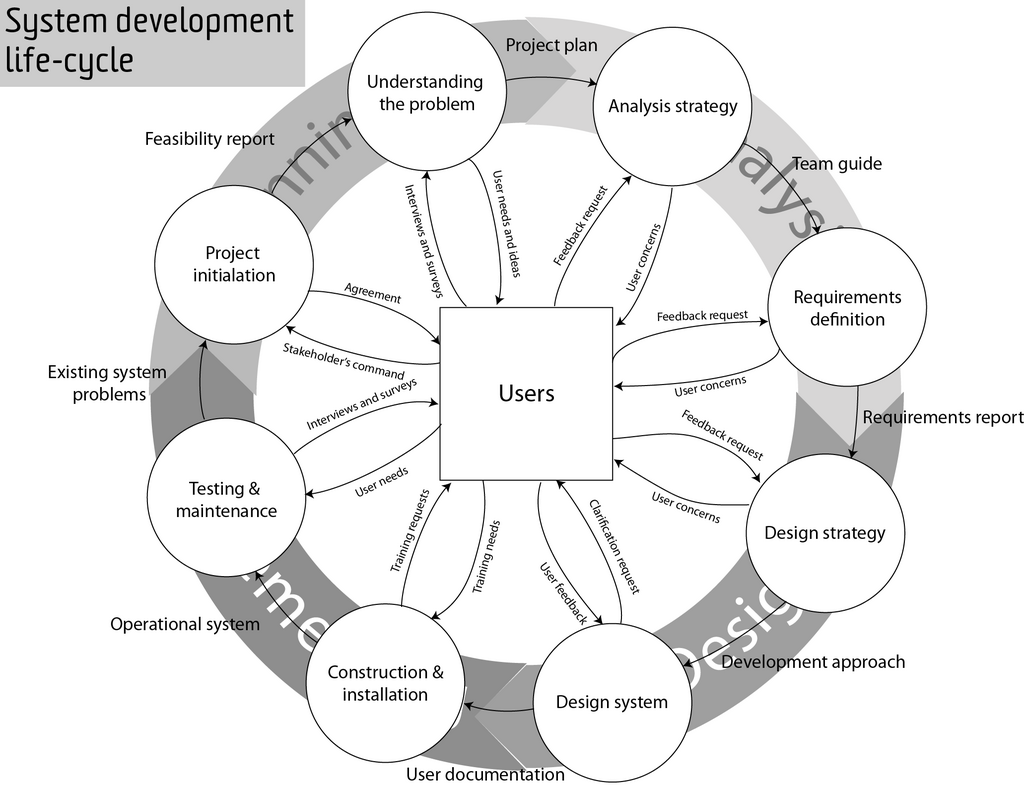
They act as a bridge between the business stakeholders, who know what the software needs to do, and the engineering team, who knows how to build it. They ensure that the final product not only works but also solves the right problem in an efficient and sustainable way. This involves making critical decisions and trade-offs. For example, should the system prioritize speed or data consistency? Should it be built for rapid changes or for long-term stability? These are the kinds of questions an architect answers.
Common Architectural Styles
Just as there are different styles of buildings—like skyscrapers, single-family homes, and warehouses—there are different styles of software architecture. Each is a general solution to a common type of problem. The style you choose depends on what you're building.
Architectural Style
noun
A high-level strategy for organizing a software system, providing a vocabulary of components and connectors and a set of constraints on how they can be combined.
One of the oldest and simplest styles is the monolithic architecture. In this style, the entire application is built as a single, unified unit. Imagine a department store where everything—clothing, electronics, and groceries—is in one giant building. It's simple to build initially, but if you want to update just the electronics department, you might disrupt the whole store.
Another common style is client-server architecture. This is the foundation of the web. Your web browser is the "client," and it sends requests to a powerful computer, the "server," which holds the website's data and logic. The server processes the request and sends a response back to your browser. This separates the user interface (client) from the data storage and processing (server).
A more modern approach is microservices architecture. Instead of one giant application, the system is broken down into many small, independent services. Each service handles a specific business function. Think of it like a shopping mall with separate stores for shoes, books, and food. Each store operates independently, so updating one doesn't affect the others. This makes the system more flexible and easier to scale.
Choosing the right style is a crucial architectural decision that impacts everything from development speed to operational cost. There's no single "best" style; the right choice always depends on the specific needs of the project.
Ready to test your understanding? This quiz will cover the core ideas we've discussed about software architecture.
What is the primary purpose of software architecture?
Which architectural style is analogous to a shopping mall, where each store operates independently to form a larger whole?
Understanding these fundamentals is the first step. Good architecture isn't about following rigid rules, but about making informed choices that set a project up for long-term success.