Smart Used Car Buying
Understanding Your Needs
Know What You Need
Before you start browsing listings or visiting dealerships, the most important step is to look inward. Buying a car isn't just about finding a good deal; it's about finding the right vehicle for your life. Think of this as creating a blueprint. A clear plan saves you time, prevents impulse buys, and ensures you end up with a car that truly fits your needs.
Set Your Budget
Your budget is more than just the sticker price. The total cost of owning a car includes several ongoing expenses. A good rule of thumb is to keep your total monthly car costs—including loan payments, insurance, gas, and maintenance—below 20% of your take-home pay.
Start by determining what you can comfortably afford for a monthly payment, or how much you can pay upfront in cash. Then, factor in these other costs:
- Insurance: Rates vary wildly based on the car's model, your age, and driving record. Get a few quotes for the types of cars you're considering.
- Fuel: Estimate your daily or weekly mileage. A car with better fuel efficiency can save you a lot of money over time.
- Maintenance & Repairs: Used cars will need repairs. Set aside a small amount each month for routine maintenance like oil changes and unexpected issues.
Once you have a handle on your finances, you can start thinking about what kind of vehicle makes sense for your lifestyle.
Match the Car to Your Life
The best car for a city commuter is different from the ideal vehicle for a growing family or a weekend adventurer. Ask yourself how you'll be using the car 90% of the time.
| If your primary use is... | Consider a... | Key Factors |
|---|---|---|
| Daily commuting in the city | Sedan or Hatchback | Fuel efficiency, easy to park |
| Hauling kids and gear | SUV or Minivan | Cargo space, safety features, seating |
| Work that requires towing | Truck | Towing capacity, bed size, durability |
| Weekend outdoor trips | SUV or Wagon | All-wheel drive, ground clearance |
Don't pay for capabilities you'll rarely use. That giant truck might seem appealing, but if you're not towing or hauling heavy loads, a smaller, more fuel-efficient vehicle will be much kinder to your budget.
Identify Your Must-Haves
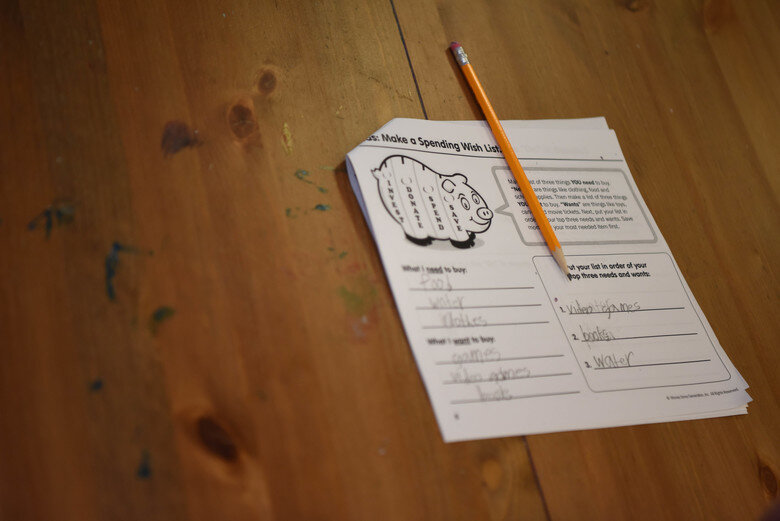
Now it's time to get specific. Make two lists: essential features and nice-to-have amenities. This will help you quickly filter through online listings and focus your search.
Your "must-have" list should include non-negotiables. These could be safety features like blind-spot monitoring, practical needs like all-wheel drive for snowy climates, or a specific seating capacity.
Your "nice-to-have" list might include things like a sunroof, a premium sound system, or heated seats. These are features you'd like but could live without. Knowing the difference helps you stay focused and avoid overspending on features that aren't truly important to you.
A clear list of priorities is your best tool. It keeps your search grounded and prevents you from getting distracted by flashy features you don't actually need.
With a solid budget and a clear picture of the type of vehicle and features you need, you're ready to start looking for your next car.