Sleep Hygiene for Peak Performance
Understanding Sleep and Cognitive Function
Your Brain on Sleep
Sleep isn't just about resting your body. It's a critical time for your brain to sort, process, and prepare for the day ahead. Far from being a passive state, your mind is incredibly active during sleep, performing vital maintenance that directly impacts how you think, feel, and function when you're awake.
The Nightly Cycle
When you sleep, your brain cycles through different stages, each with a unique job. The two main types are Non-Rapid Eye Movement (NREM) and Rapid Eye Movement (REM) sleep. A full cycle through these stages takes about 90 minutes and repeats several times a night.
NREM sleep is divided into three parts. The first two are light sleep, where you're drifting off. The third is deep sleep, the most restorative phase. During deep sleep, your brain works on memory consolidation, transferring important information from short-term to long-term storage. Think of it as filing away the important documents from the day.
REM sleep is when most vivid dreaming occurs. Your brain activity looks surprisingly similar to when you're awake. This stage is crucial for processing emotions, solidifying procedural memories (like how to ride a bike), and creative problem-solving.
This nightly rhythm of cycling through deep sleep and REM sleep is what makes sleep so powerful for learning and cognition. Without these cycles, memories don't stick, and new skills are harder to master.
Memory Consolidation
noun
The process by which the brain converts new, unstable memories into stable, long-term memories.
Running on Empty
When you don't get enough sleep, you're essentially asking your brain to perform at its peak with a fraction of its resources. The immediate effects are easy to spot: your attention span shrinks, focus becomes difficult, and simple decisions feel overwhelming. These are your executive functions—the mental skills that help you manage time, pay attention, and get things done—and they're highly sensitive to sleep loss.
Memory is one of the first casualties. Without sufficient sleep, the brain struggles with memory consolidation. New information may never make it to long-term storage, which is why pulling an all-nighter to study for an exam is often counterproductive. You might be able to cram information for a few hours, but you'll likely forget it quickly.
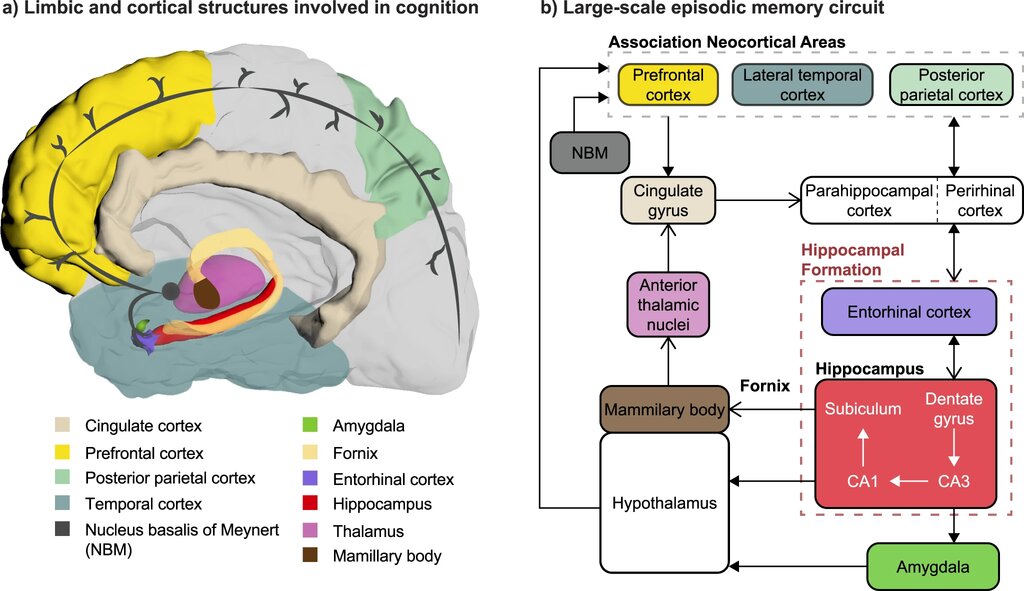
Sleep deprivation also has a major impact on your emotional well-being. The amygdala, your brain's emotional control center, becomes more reactive. At the same time, the prefrontal cortex, which helps regulate emotional responses, has its activity dampened. The result is a brain that's quick to react emotionally but slow to apply logic and reason. This is why a lack of sleep can leave you feeling irritable, anxious, or moody.
A tired brain is an emotionally volatile brain. It overreacts to negative experiences and has a harder time appreciating positive ones.
Let's check your understanding of how sleep impacts your brain.
During which stage of sleep does the brain primarily focus on transferring important information from short-term to long-term memory?
Sleep deprivation primarily impacts emotional regulation by making the amygdala (the brain's emotional center) less reactive.
Understanding how sleep works is the first step. It’s not about laziness; it’s about actively managing one of the most powerful tools you have for maintaining your cognitive and mental health.