Shakespeare's Twelfth Night Unpacked
Introduction to Elizabethan Comedy
A New Age of Entertainment
The late 1500s in England, known as the Elizabethan era, was a time of exploration, change, and growing national pride. Queen Elizabeth I's long reign brought stability after years of turmoil. London was becoming a bustling, crowded city, and its people, from nobles to apprentices, were hungry for entertainment. For the first time, theater became a popular and commercial art form for everyone, not just the wealthy.
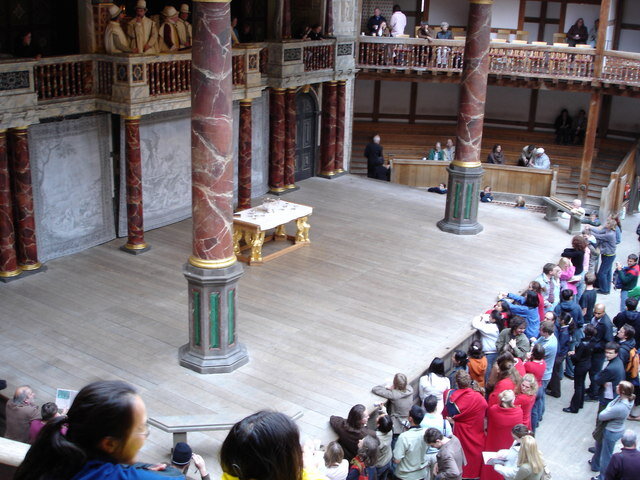
Permanent playhouses were built, like the famous Globe Theatre. These were open-air structures where audiences from all social classes could gather. The poor, known as "groundlings," stood in the pit in front of the stage, while wealthier patrons sat in covered galleries. A trip to the theater was a lively social event, much like going to the movies or a concert today.
The Anatomy of a Comedy
Elizabethan comedies were designed to delight and amuse. Unlike tragedies that ended in death and sorrow, comedies always moved toward a happy resolution. Their primary goal was to explore the absurdities of human behavior, particularly when it came to love, and to tie everything up neatly at the end.
The golden rule of Elizabethan comedy: no matter how tangled the plot gets, it must end with a wedding. Or several.
These plays followed a reliable structure. They typically began with a problem or a conflict, often a young couple forbidden to marry or a case of unrequited love. The middle of the play would introduce complications and confusion, escalating the initial problem in funny and unexpected ways. The final act resolved all the conflicts, exposed any deceptions, and celebrated the restoration of social order with marriage and festivity.
| Feature | Comedy | Tragedy |
|---|---|---|
| Focus | Love, social harmony, everyday life | Death, fate, human flaws |
| Tone | Light, humorous, witty | Serious, somber, intense |
| Plot | Moves from conflict to resolution | Moves from order to chaos |
| Ending | Happy, often with marriages | Unhappy, usually with death |
Familiar Tricks and Themes
To create chaos and humor, Elizabethan playwrights relied on a set of trusted plot devices. These conventions appeared so frequently that audiences would have recognized and anticipated them.
One of the most popular was mistaken identity. This could involve twins separated at birth, creating confusion for everyone they meet. Another common trick was disguise, where characters, especially female characters, would dress as the opposite gender to move more freely in society or to meddle in others' affairs. This was especially comical on the Elizabethan stage, where all roles were played by male actors.
Wordplay was also central to the humor. Characters engaged in witty banter, using puns and clever insults to outsmart each other. This verbal sparring, known as repartee, was a sign of intelligence and a key source of entertainment for the audience.
Beneath the laughter, these comedies often explored serious themes. They questioned social norms, the nature of love, and the foolishness of human ambition. By placing characters in ridiculous situations, the plays invited audiences to laugh at themselves and the world around them.
Now, let's test your knowledge of the Elizabethan stage.
What was a primary reason for the rise of popular, commercial theater in the Elizabethan era?
In an Elizabethan playhouse, the poorer patrons who stood in the open area in front of the stage were known as what?
With this background, you're ready to see how these elements come together in one of Shakespeare's most beloved comedies.