Security Analysis Essentials
Introduction to Security Analysis
What is Security Analysis?
Security analysis is the process of identifying and evaluating potential dangers, or threats, to valuable assets. An asset isn't just something physical, like a building or cash. It can be digital data, a company's reputation, or an investment portfolio. The goal is to understand what could go wrong so you can take steps to prevent it.
Think of it like securing your home. You don't just lock the front door; you also check the windows, make sure the back gate is latched, and maybe install a security camera. You're analyzing all the ways someone could get in and taking steps to protect your home and belongings. Security analysis applies this same thinking to more complex systems.
The Core Objectives
Security analysis has three main goals. Together, they form a cycle for protecting assets.
1. Identify Vulnerabilities: A vulnerability is a weakness that a threat could exploit. In our house analogy, an unlocked window is a vulnerability. In the digital world, it could be a software bug or an employee who doesn't recognize a phishing email.
2. Assess Risks: Risk is the likelihood that a threat will exploit a vulnerability, combined with the potential impact. An unlocked window in a remote, low-crime area poses a lower risk than the same window in a busy city center. Assessing risk helps prioritize which vulnerabilities to fix first.
3. Implement Protection: Once you understand the risks, you implement protective measures, or controls, to mitigate them. This could mean locking the window, installing stronger software firewalls, or training employees on cybersecurity best practices.
This process isn't limited to one field. The assets and threats may change, but the core principles of analysis remain the same across different domains.
Different Worlds, Different Threats
The specific dangers, or the threat landscape, look different depending on what you're trying to protect. Let's look at a few examples.
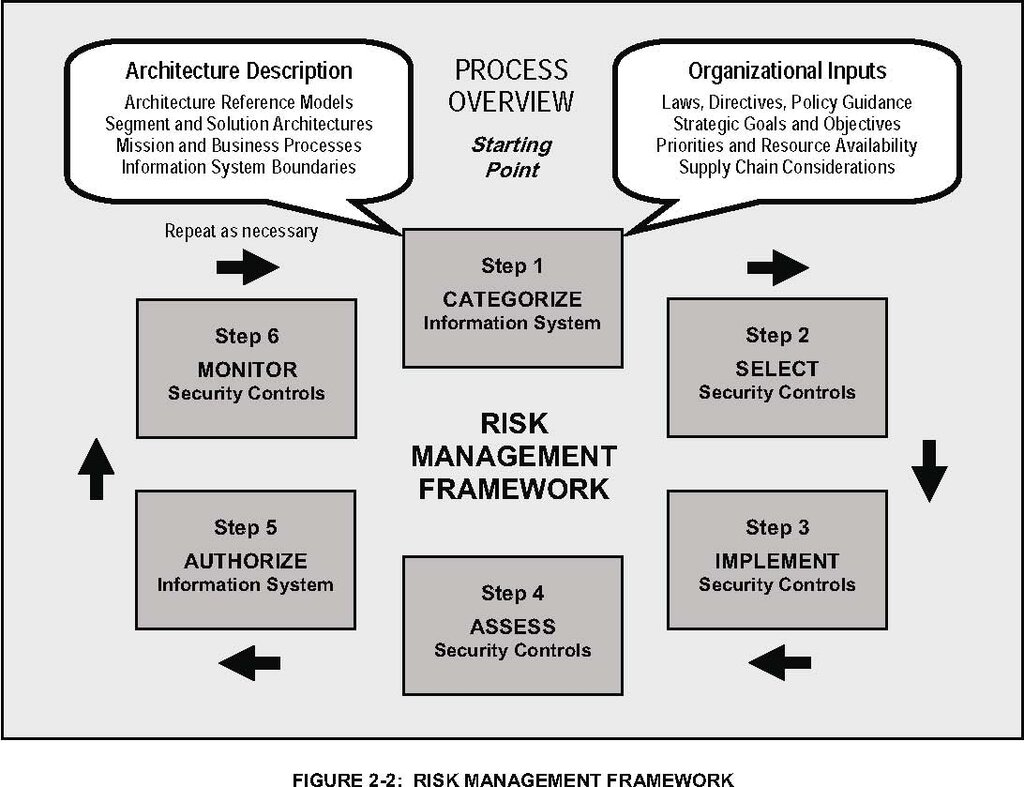
Cybersecurity: The assets are digital, like computer networks, systems, and the data they hold. Threats are often malicious actors trying to gain unauthorized access. They might use malware to infect a system, phishing scams to steal passwords, or denial-of-service attacks to shut down a website. The goal of security analysis here is to protect data integrity, confidentiality, and availability.
Financial Markets: The assets are investments, like stocks, bonds, and capital. Threats are events or conditions that could cause financial loss. This includes market volatility, fraudulent schemes, poor company performance, or even broad economic downturns. Analysts look at company health, market trends, and economic indicators to assess the risk of losing money.
Data Security: This is closely related to cybersecurity but focuses specifically on the information itself. The asset is sensitive data, such as customer personal information, trade secrets, or health records. Threats include data breaches, insider leaks (whether accidental or intentional), and non-compliance with privacy laws like GDPR. The analysis focuses on classifying data, controlling access, and ensuring privacy.
| Domain | Key Assets | Common Threats |
|---|---|---|
| Cybersecurity | Networks, Systems | Malware, Phishing, Hackers |
| Financial Markets | Investments, Capital | Market Crashes, Fraud |
| Data Security | Sensitive Information | Data Breaches, Privacy Violations |
The Security pillar focuses on protecting information, systems, and assets by assessing and mitigating risks.
Now, let's test your understanding of these core concepts.
What is the primary purpose of security analysis?
In the context of security analysis, an 'asset' is strictly a physical object, like a building or cash.
Understanding these fundamentals is the first step. By systematically identifying weaknesses and evaluating potential dangers, we can make more informed decisions to protect the things we value.