Secure Your Browsing with VPNs
Introduction to VPNs
What Is a VPN?
Think of your internet connection as a busy highway. Normally, your data travels on this highway in a regular car, visible to your Internet Service Provider (ISP), website owners, and potentially others. Anyone watching the road can see where you're coming from and where you're going.
A Virtual Private Network, or VPN, creates a private, armored tunnel for your car. It wraps your internet traffic in a layer of strong protection, making it unreadable to outsiders.
A VPN creates a secure, encrypted tunnel between your device and the internet, shielding your online activities from hackers, trackers, and surveillance.
When you connect to a VPN, your device—be it a computer, tablet, or smartphone—establishes a secure link to a server operated by the VPN provider. All your internet activity is then routed through this server. This simple change has powerful effects on your privacy and security.
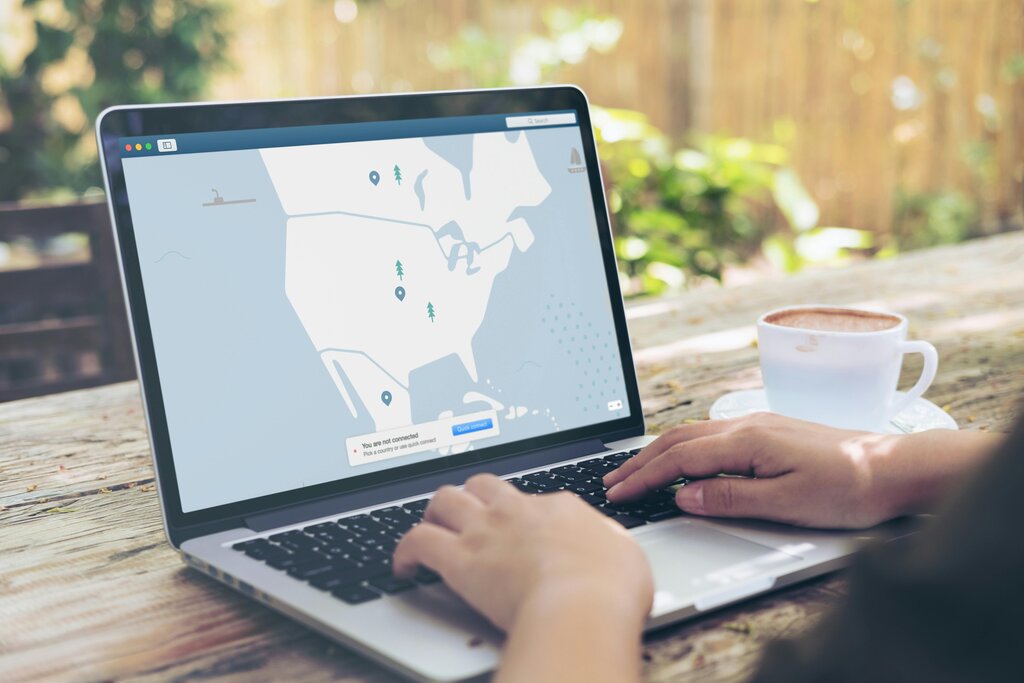
How a VPN Works
VPNs rely on three key concepts to protect your connection: encryption, tunneling, and IP address masking.
Encryption: This is the process of scrambling your data into a secret code. When you use a VPN, all the information you send and receive is encrypted. Only your device and the VPN server have the key to decipher it. To anyone else, your online banking, emails, and browsing history just look like random gibberish.
Tunneling: The VPN creates a secure, private pathway—a tunnel—through the public internet. Your encrypted data travels inside this tunnel, shielding it from view. This prevents your ISP or anyone else on the same network from seeing what you're doing online.
IP Address Masking: Every device connected to the internet has a unique Internet Protocol (IP) address, which reveals your general location. When you use a VPN, your real IP address is hidden. Instead, websites and online services see the IP address of the VPN server you're connected to. If you connect to a server in another country, it will appear as if you're browsing from there.
Why Use a VPN?
While VPNs sound technical, their practical uses are straightforward. They provide a valuable layer of security and privacy in many common situations.
Securing Public Wi-Fi: Public networks at cafes, airports, and hotels are often unsecured, making them prime targets for hackers. A VPN encrypts your connection on these networks, protecting your passwords, financial information, and other sensitive data from being intercepted.
Enhancing Online Privacy: Without a VPN, your ISP can see every website you visit. They can log this data and sometimes even sell it to advertisers. A VPN's encrypted tunnel prevents your ISP from monitoring your online activities, giving you back control over your privacy.
Accessing Content While Traveling: If you're traveling abroad, you might find that some of your favorite streaming services or websites are unavailable due to geographic restrictions. By connecting to a VPN server in your home country, you can access the internet as if you were still there.
Secure Remote Work: Many companies require employees to use a VPN to connect to the office network. This creates a secure channel for accessing company files and resources, ensuring that sensitive business data remains protected when working from outside the office.
Which analogy best describes how a VPN protects your internet traffic?
When you use a VPN, websites and online services see the IP address of the...
A VPN is a powerful tool for taking control of your online security and privacy. By understanding these basics, you're better equipped to navigate the digital world safely.