RL Torque Control for EV PMSMs
Introduction to PMSMs
What's Inside a PMSM?
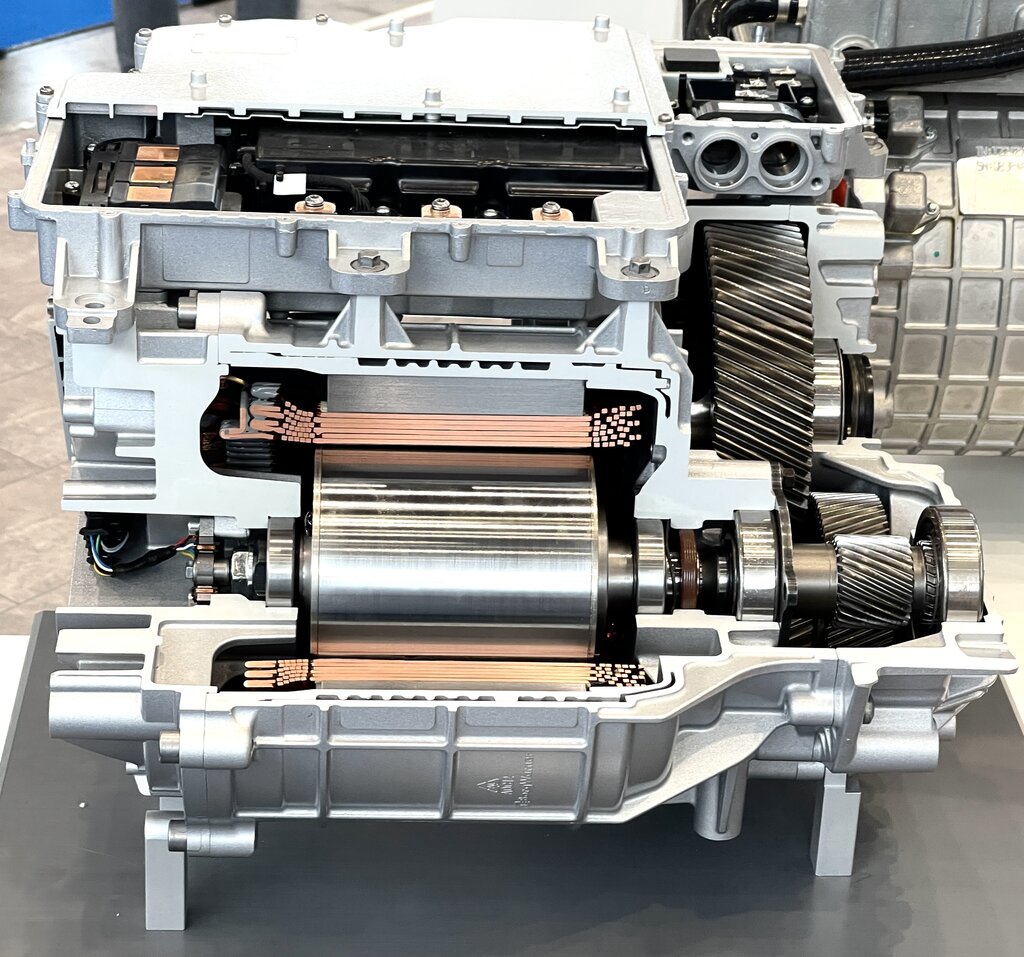
At the heart of many electric vehicles (EVs) is a powerful and efficient engine called a Permanent Magnet Synchronous Motor, or PMSM. Its design is both clever and relatively simple. Like most motors, it has two main parts: a stationary part and a rotating part.
stator
noun
The stationary outer part of a motor, typically containing coils of wire.
The stator is a ring of tightly wound copper coils. When electricity flows through these coils, they become electromagnets.
rotor
noun
The rotating inner part of a motor, which is turned by magnetic forces.
The rotor sits inside the stator. In a PMSM, the rotor is special because it's embedded with powerful permanent magnets. These aren't like your typical refrigerator magnets; they're made from rare-earth materials that create a very strong and constant magnetic field. This is the key difference from other motors, which often have to create a magnetic field in the rotor using more electricity.
How a PMSM Works
The magic of a PMSM comes from the precise interaction between the stator and the rotor. The car's power system sends alternating current (AC) to the stator's copper windings. By carefully controlling the electrical flow to different coils in sequence, it creates a magnetic field that rotates around the inside of the stator.
Imagine a compass needle. If you move a magnet around it, the needle will spin to follow. The PMSM's rotor acts like the compass needle. The permanent magnets on the rotor are naturally attracted to the rotating magnetic field created by the stator. As the stator's field spins, it pulls the rotor's magnets along with it, forcing the rotor to turn.
The motor is called "synchronous" because the rotor rotates at the exact same speed—in sync with—the stator's rotating magnetic field.
By precisely managing the speed and direction of this rotating field, an EV's control system can make the motor spin faster, slower, or even in reverse, giving the driver complete control over the car's movement.
Why EVs Love PMSMs
Car manufacturers choose PMSMs for several key reasons that make them almost perfect for electric vehicles.
First is their incredible efficiency. Because the rotor uses permanent magnets, no electrical energy is wasted creating its magnetic field. This means more energy from the battery goes directly into turning the wheels, translating to a longer driving range per charge.
Second is their high power density. PMSMs can generate a large amount of power and torque in a very compact and lightweight package. In a vehicle, where every kilogram and cubic centimeter matters, this is a huge advantage. It allows for more flexible vehicle design and leaves more room for passengers and cargo.
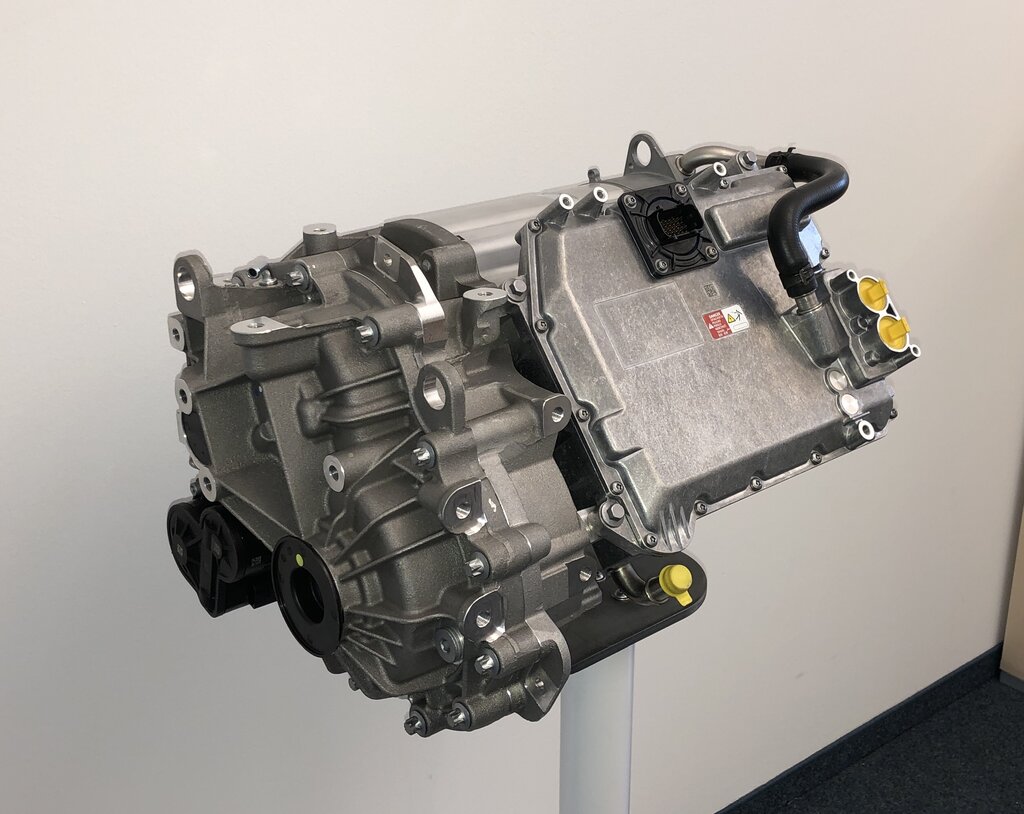
Finally, they provide excellent torque, especially at low speeds. When you press the accelerator in an EV with a PMSM, the response is instant and powerful. This is what gives many EVs their famously quick acceleration from a standstill.
The combination of efficiency, small size, and responsive power makes the PMSM a leading choice for building the next generation of electric vehicles.
What is the key difference between the rotor in a Permanent Magnet Synchronous Motor (PMSM) and rotors in many other types of electric motors?
How is the rotational motion created in a PMSM?