Remote-First Job Search Strategy
Understanding Remote Work
What Is Remote Work?
Remote work is any job done outside of a traditional office. Instead of commuting to a central workplace, employees can work from home, a coffee shop, or a coworking space. This isn't a new idea. The term "telecommuting" has been around since the 1970s, but recent advances in technology, like high-speed internet and collaboration software, have made it a widespread reality.
Remote Work
noun
A work arrangement in which employees do not commute to a central place of work, such as an office building, warehouse, or store.
While it existed before, the global pandemic in 2020 was a massive catalyst. Companies everywhere had to adapt quickly, and many discovered that their teams could be just as productive without being in the same building. Today, remote work has evolved from a niche perk into a standard option for many industries, ranging from fully remote companies to hybrid models where employees split time between the office and home.
The Upside of Working Remotely
One of the biggest draws of remote work is flexibility. Employees often have more control over their schedules, allowing them to better balance their professional and personal lives. Eliminating the daily commute saves both time and money, and can significantly reduce stress.
For companies, the benefits are just as compelling. They can hire the best talent from anywhere in the world, not just from the local area. This expands the talent pool immensely. Remote work can also lead to lower overhead costs, with less need for large, expensive office spaces.
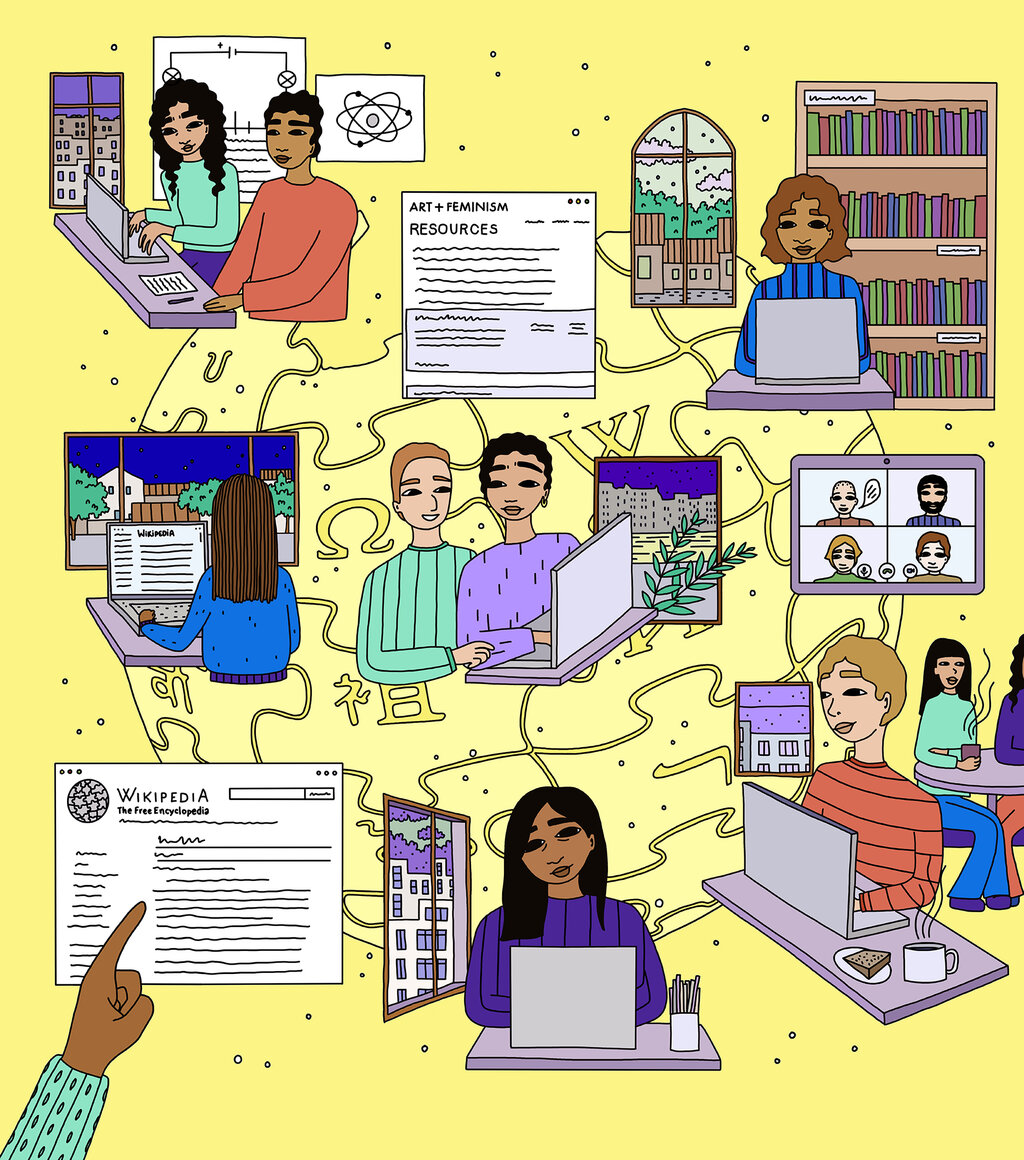
Autonomy is another key advantage. Remote workers often have more independence to manage their tasks and workflow, which can boost job satisfaction and foster a sense of ownership.
Navigating the Challenges
Of course, remote work isn't without its difficulties. The lack of in-person interaction can lead to feelings of isolation for some. It can be harder to build strong relationships with colleagues when you only see them on a screen. Spontaneous collaboration and casual conversations that happen in an office are often lost.
Another common struggle is the blurring line between work and home life. When your office is always accessible, it can be tempting to work longer hours, making it difficult to unplug and recharge. This requires strong self-discipline and time management skills to create clear boundaries.
Communication can also be a hurdle. Without face-to-face cues, misunderstandings can happen more easily. Successful remote teams rely on clear, intentional communication and the right set of tools to stay connected and aligned.
The Digital Skills You Need
Excelling in a remote role requires more than just the skills for the job itself. It demands a specific set of digital competencies. Since you're not in the office, you need to be proficient with the tools that keep teams connected and productive.
Remote work requires a new or updated skill set, and to have a thriving remote career and make more money in your remote job, you need to have a balanced combination of technical, interpersonal, and self-management skills.
This means being comfortable with various software and platforms. Think about communication tools like Slack or Microsoft Teams for daily chats, video conferencing platforms like Zoom for meetings, and project management software like Asana or Trello to track tasks and progress.
Beyond specific tools, employers look for digital literacy. This includes skills like:
- Effective Written Communication: Writing clear and concise emails, messages, and documentation is crucial when you can't just walk over to someone's desk.
- Time Management: Using digital calendars, to-do lists, and other tools to manage your own schedule and deadlines without direct supervision.
- Problem-Solving: Being able to troubleshoot minor tech issues on your own, like a weak Wi-Fi signal or a software glitch, is a valuable skill.
- Adaptability: Technology changes quickly. A willingness to learn new software and workflows is essential for long-term success in a remote environment.
Ready to test your knowledge on the fundamentals of remote work?
What is the primary benefit of remote work for an employee, as described in the provided text?
According to the text, what is a major advantage for companies that adopt remote work?
Understanding these core aspects of remote work—what it is, its pros and cons, and the skills it requires—is the first step toward building a successful career outside the traditional office.