Rapid Literature Reviews for Research
Understanding Literature Reviews
The Foundation of Research
Before building a house, you need to understand the landscape. You survey the ground, check for existing structures, and see where others have built before. A literature review does the same thing for research. It's a critical survey of what has already been said and discovered about a specific topic.
A literature review isn’t just a summary of articles. It's a conversation with existing research that sets the stage for new ideas.
Its main purpose is to map out the current state of knowledge. By looking at previous studies, researchers can see the big picture. They identify what is well-established, where experts disagree, and, most importantly, what questions remain unanswered. These unanswered questions are called "gaps in the literature," and they are often the starting point for new research projects. A good literature review shows why a new study is necessary and how it will contribute to the field.
Different Tools for the Job
Not all literature reviews are the same. The type a researcher chooses depends on their goal. The three most common types are narrative, systematic, and meta-analysis.
Narrative Review
noun
A broad overview of a topic that summarizes and synthesizes literature to tell a coherent story. It's often used to provide context or introduce a new perspective.
A narrative review is like a guided tour of a topic. It provides a broad overview and often presents the information from a particular angle to support an argument. It's useful for getting a feel for a subject but doesn't follow a strict, repeatable process for selecting sources.
A systematic review, on the other hand, is highly structured. It starts with a very specific, answerable question and uses a precise, documented method to find, select, and analyze all available evidence. The goal is to be as unbiased and thorough as possible, creating a complete and reproducible summary of the research.
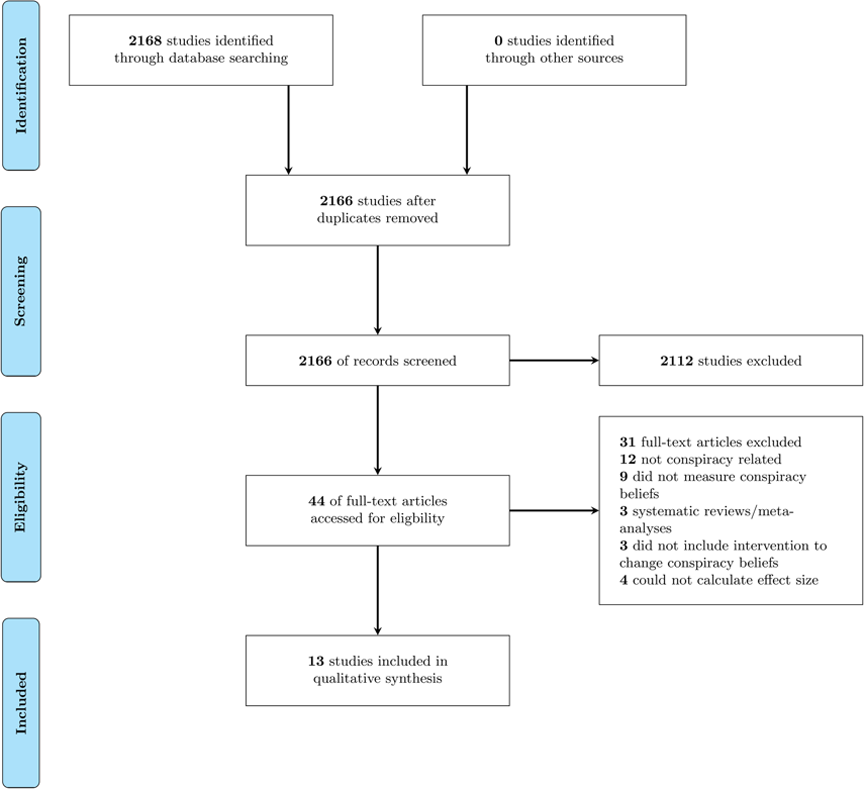
Finally, a meta-analysis takes the systematic review one step further. After gathering all the relevant studies, it uses statistical methods to combine their data. This creates a single, powerful result from many smaller studies. It's like combining the results of dozens of small polls to get one highly accurate national poll.
| Review Type | Goal | Method | Best For |
|---|---|---|---|
| Narrative | Provide a broad overview | Flexible, often subjective selection | Getting a general understanding of a topic |
| Systematic | Answer a specific question | Strict, reproducible search and selection | Finding a definitive answer based on all evidence |
| Meta-analysis | Statistically combine results | Systematic review plus statistical analysis | Quantifying the overall effect from multiple studies |
The Building Blocks
Regardless of the type, every effective literature review is built on a few key components. These elements ensure the review is focused, thorough, and credible.
A well-crafted research question is the foundation of a successful literature review.
First is a clear research question. This is the guiding star for the entire process. It narrows the scope and keeps the researcher focused on finding relevant information. Without a specific question, a review can become a confusing jumble of unrelated facts.
Next comes a comprehensive search strategy. The goal is to find all the important work on the topic. This means looking in multiple databases and sources to ensure no major studies are missed.
After finding the sources, the researcher performs a critical evaluation. This involves assessing the strengths and weaknesses of each study. Not all research is created equal, and a good review only builds upon strong, reliable evidence.
Finally, the information is pulled together into a coherent synthesis. This is where the magic happens. Instead of just listing summaries, the researcher weaves the findings together into a new story. This synthesis highlights patterns, explains contradictions, and points out the remaining gaps in knowledge, setting the stage for what comes next.
Ready to check your understanding?
What is the primary purpose of conducting a literature review before starting a new research project?
In the context of a literature review, what is a 'gap in the literature'?
By understanding these different types and components, you can see how a literature review serves as the essential first step in any credible research endeavor.