Raising Gritty Kids
Neuroscience of Effort
Your Brain is a Muscle
Think about what happens when you lift something heavy. Your arm muscles work hard, and if you keep doing it, they get stronger over time. Your brain works in a very similar way. It’s not exactly a muscle, but it grows stronger with exercise.
Every time your child tries to solve a tricky math problem, learns a new word, or practices a song on the piano, their brain is getting a workout. The feeling of “this is hard!” is the same feeling as a muscle straining to lift a weight. It’s the feeling of growth happening.
This ability for the brain to change and grow is called neuroplasticity. It's a bit like a piece of clay that can be reshaped over and over again. For kids, their brains are especially moldable, making childhood a crucial time for building strong neural foundations.
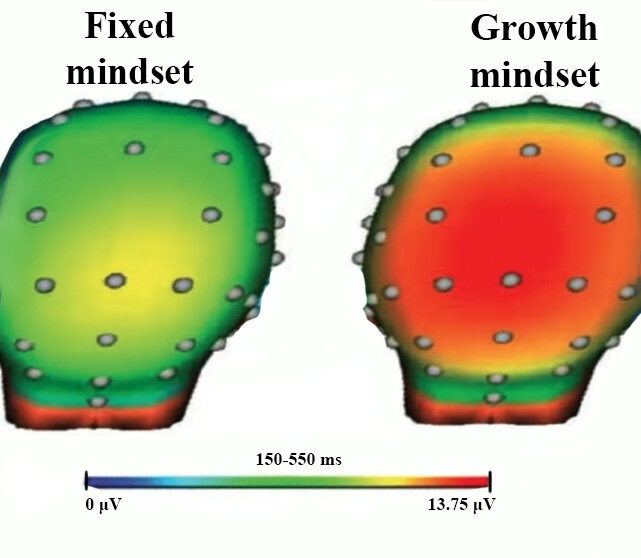
When we learn, tiny brain cells called neurons send electrical signals to each other. Imagine millions of tiny messengers running around, creating paths for information. When your child learns something for the first time, those messengers are blazing a new trail through a dense forest. It's slow and takes a lot of effort.
The Brain's Super-Fast Internet
So how does a slow forest trail turn into a superhighway? With practice. Each time your child repeats an action, like practicing multiplication tables, the brain wraps the path between those neurons in a fatty substance called myelin.
Myelin works like the plastic insulation around an electrical cord. It stops the signal from getting lost and makes it travel much, much faster. The more you practice, the thicker the myelin sheath becomes, and the more automatic and effortless the skill gets. This is why it’s hard to ride a bike at first, but with practice, you don't even have to think about it.
This myelination process explains why mistakes are not just okay, but necessary. Trying, failing, and trying again is the only way to signal to the brain which pathways are important enough to insulate. A mistake isn't a failure; it's a construction signal telling the brain where to send the myelin builders.
Why Frustration Feels So Big
When a child gets really frustrated and wants to give up, something physical is happening in their brain. A small, almond-shaped area called the amygdala acts as the brain's alarm system. When it senses a threat, like the frustration of not being able to solve a problem, it can sometimes overreact.
This is called an Amygdala Hijack. The amygdala floods the body with fight-or-flight hormones, making it hard to think clearly. The thinking part of the brain, the prefrontal cortex, temporarily goes offline. This is why telling a child to “just calm down” in that moment often doesn't work. Their thinking brain isn't really listening.
The key is to help children recognize this feeling not as a stop sign, but as a signal that their brain is working hard. Taking a few deep breaths can help calm the amygdala, allowing the thinking brain to come back online. This teaches emotional regulation and reinforces the idea that challenge is a part of growth.
Explaining this process helps children understand that frustration is a biological signal, not a personal failing. It’s their brain telling them: “This is new! I’m building a new road here! It’s hard work!” By reframing the struggle, we give them the power to push through it.
When students feel safe to fail, they activate the neural systems required for adaptive thinking instead of defaulting to avoidance or rigid repetition of familiar strategies.
So, the next time your child says, “I can’t do it,” you can tell them a story about the little messengers in their brain building a super-fast highway. Every mistake, every bit of frustration, is just another paver being laid on the road to mastery. It’s not just a nice idea—it’s science.