Python Programming Zero to Hero
Introduction to Python
What is Python?
Python is a high-level programming language created in the late 1980s by Guido van Rossum. Fun fact: it's not named after the snake. Van Rossum was a fan of the British comedy troupe Monty Python's Flying Circus, and he wanted a name that was short, unique, and a little mysterious.
Python was designed to be easy to read and write. Its syntax is clean and uncluttered, which makes it a great language for beginners. But don't let its simplicity fool you. It's also powerful enough to be used by major companies like Google, Netflix, and NASA for everything from web development to data analysis.
The Python Philosophy
Python's design is guided by a set of principles known as the "Zen of Python." These aren't strict rules, but rather a collection of aphorisms that capture the spirit of the language. You can actually see them by typing import this into a Python interpreter.
Beautiful is better than ugly. Explicit is better than implicit. Simple is better than complex.
This philosophy leads to some key features. Python's syntax is closer to English than many other languages, making code more readable. It's also an interpreted language, which means you can run code line by line and see the results immediately. This is great for learning and debugging.
What It's Used For
Python is incredibly versatile. Think of it as a multi-tool for programmers. Its wide range of applications is one of the main reasons for its popularity.
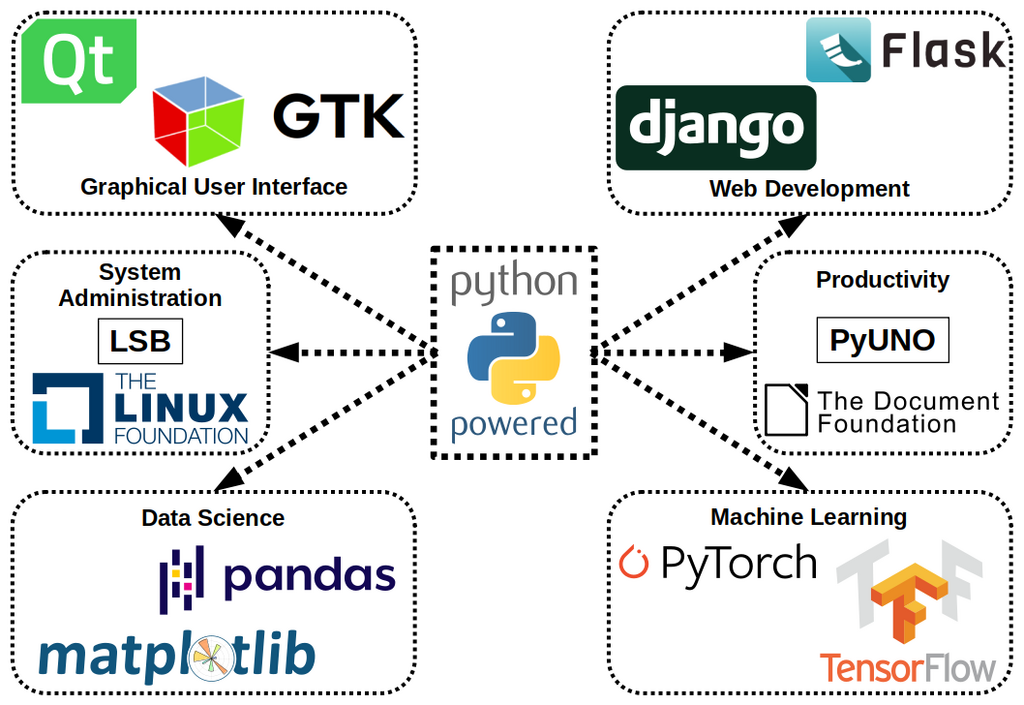
Here are a few common uses:
- Web Development: Frameworks like Django and Flask allow developers to build robust websites and web applications.
- Data Science & Machine Learning: Libraries like pandas, NumPy, and TensorFlow have made Python the go-to language for analyzing data, creating visualizations, and building AI models.
- Automation & Scripting: Python is excellent for writing simple scripts to automate repetitive tasks, like organizing files or sending emails.
Getting Set Up
Ready to start writing some code? First, you need to install Python on your computer. While some operating systems like macOS and Linux come with a version of Python pre-installed, it's often best to install the latest version directly from the official website, python.org.
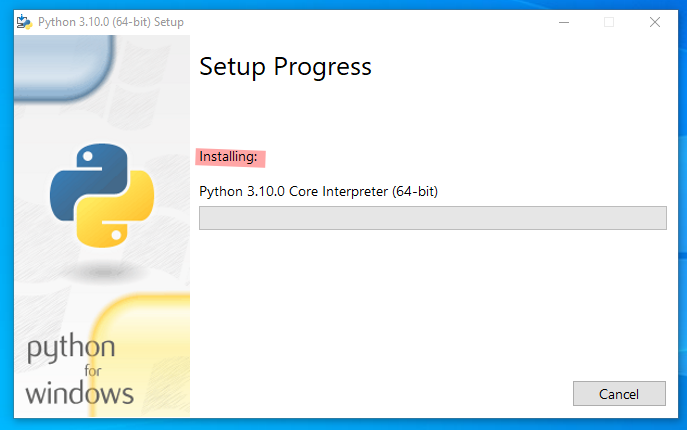
Once Python is installed, you need a place to write your code. You can use a simple text editor, but most developers prefer an Integrated Development Environment (IDE). An IDE is a software application that provides comprehensive facilities to programmers for software development. It typically includes a source code editor, build automation tools, and a debugger.
Some popular choices for Python include:
- Visual Studio Code (VS Code): A lightweight but powerful code editor with extensive Python support through extensions.
- PyCharm: A feature-rich IDE specifically designed for Python development.
- IDLE: A basic IDE that comes bundled with the default Python installation. It's a great place to start.
The classic first program for any language is "Hello, World!". It's a simple program that just displays the text "Hello, World!" on the screen. It's a great way to verify that your setup is working correctly.
# This line is a comment. Python ignores it.
# The print() function displays text to the screen.

print("Hello, World!")
Open your chosen editor, type that one line of code, save the file as hello.py, and run it. If you see "Hello, World!" printed out, congratulations! You've just written and executed your first Python program.
What was the inspiration for the name of the Python programming language?
Which of the following is NOT a common application of Python mentioned in the text?