Python Programming Fundamentals
Introduction to Python
What Is Python?
Python is a programming language, which is a set of instructions we can give to a computer to make it do things. Think of it like a recipe for a computer to follow. It was created in the late 1980s by Guido van Rossum, who wanted to make a language that was easy to read and write, even for beginners.
What makes Python so popular is its simplicity. Its syntax, or the rules of the language, reads a lot like plain English. This focus on readability means you can write programs with fewer lines of code than many other languages.
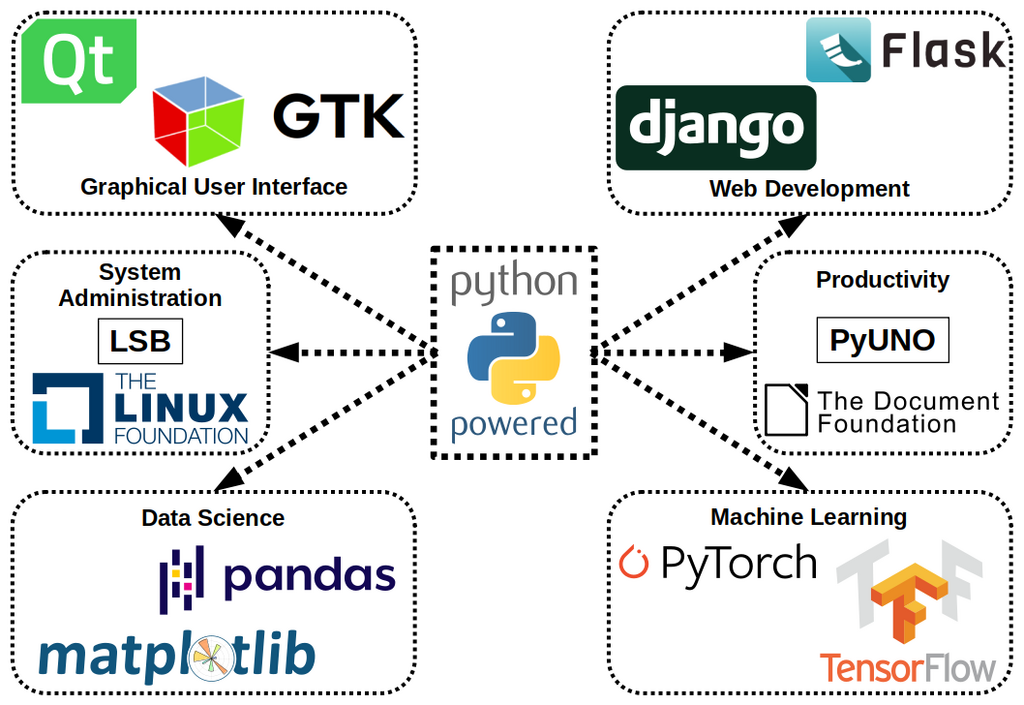
Despite its simplicity, Python is incredibly powerful. It’s a general-purpose language, meaning it’s not tied to one specific task. Programmers use it for everything from building websites and analyzing data to creating artificial intelligence and automating repetitive tasks.
Getting Set Up
Before you can write Python code, you need two key things: the Python interpreter and a place to write your code.
The interpreter is a program that reads your Python code and translates it into instructions the computer's processor can understand and execute. Without it, your computer wouldn't know what to do with a Python file.
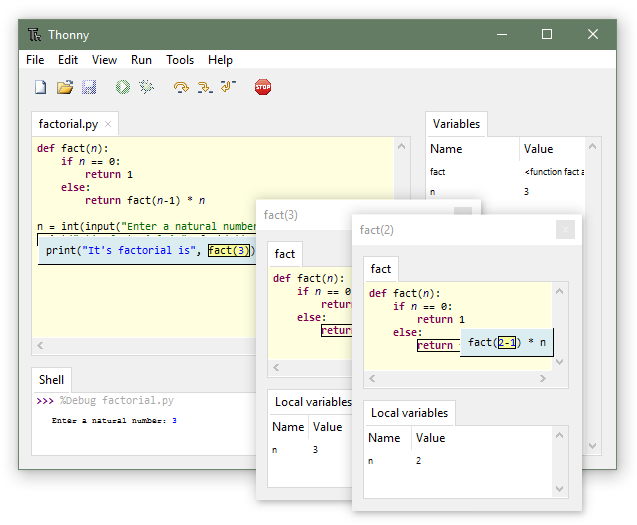
While you could write code in a basic text editor, most developers use an Integrated Development Environment (IDE). An IDE is like a specialized workshop for programmers. It includes a text editor but adds helpful features like syntax highlighting (coloring your code to make it easier to read), error checking, and tools to run and test your code easily. Popular IDEs for Python include VS Code, PyCharm, and Jupyter Notebook.
First, you'll need to install Python itself from the official website, python.org. The installation includes a basic IDE called IDLE, which is great for starting out.
Your First Program
It's a tradition for a programmer's first program to simply display the text "Hello, World!" on the screen. In Python, this is incredibly simple. It takes just one line of code.
print("Hello, World!")
Here, print() is a built-in function. A function is a named block of code that performs a specific task. The print() function's job is to display whatever you put inside the parentheses on the screen.
One of the most important rules in Python is indentation. This refers to the spaces at the beginning of a line of code. In many other languages, indentation is just for readability. In Python, it's a strict rule. It's how Python knows which lines of code belong together in a block.
Incorrect indentation is one of the most common errors for beginners. Python will not run your code if the indentation is wrong.
For example, code inside a loop or a function definition must be indented. We'll explore those concepts later, but it's crucial to remember that spacing matters.
# This will cause an error!
  print("This line is indented incorrectly.")
Interacting with Users
Programs are much more interesting when they can interact with a user. Python's input() function lets you pause your program and wait for the user to type something.
Let's write a program that asks for a user's name and then says hello.
# Ask the user for their name and store it in a variable called 'name'
name = input("What is your name? ")

# Greet the user by name
print("Hello, " + name + "!")
When this code runs, it first displays the message "What is your name? " and waits. After you type your name and press Enter, the program stores your input in a variable called name. Then, it uses the print() function to display a personalized greeting.
The input() function always captures user input as text, which is known as a string in programming. This is an important detail to remember when you start working with numbers.
Ready to check your understanding? Let's tackle a few questions on these foundational concepts.
What is the primary role of the Python interpreter?
In Python, code indentation is a strict rule used to define blocks of code.
You've just taken your first steps into the world of programming with Python. You've learned what Python is, how to get it set up, and how to write simple programs that can display information and interact with a user. This foundation is the key to building more complex and powerful applications.