Python Programming Fundamentals
Introduction to Python
What Is Python?
Python is a high-level programming language known for its readability and simplicity. Created by Guido van Rossum and first released in 1991, its design philosophy emphasizes code that's easy to write and understand. Think of it as a language that prefers English keywords over punctuation, making it less intimidating than many other languages.
This simplicity doesn't limit its power. Python is incredibly versatile. It's used for building websites and apps, automating repetitive tasks, analyzing data, and conducting scientific research. Companies like Google, Netflix, and Instagram use it extensively in their operations. A huge community of developers supports Python, creating a vast collection of libraries and frameworks that extend its capabilities for almost any task imaginable.
Setting Up Your Workspace
Before you can write Python code, you need two things: the Python interpreter and a place to write your code.
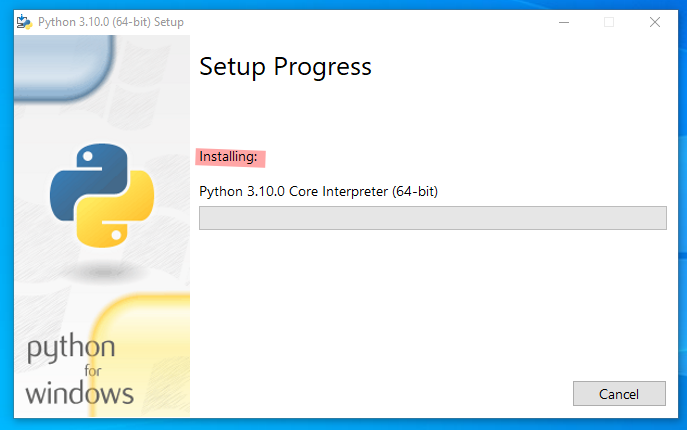
The interpreter is a program that reads your Python code and carries out its instructions. You can download it for free from the official Python website, python.org. The installation is straightforward, just follow the instructions for your operating system (Windows, macOS, or Linux).
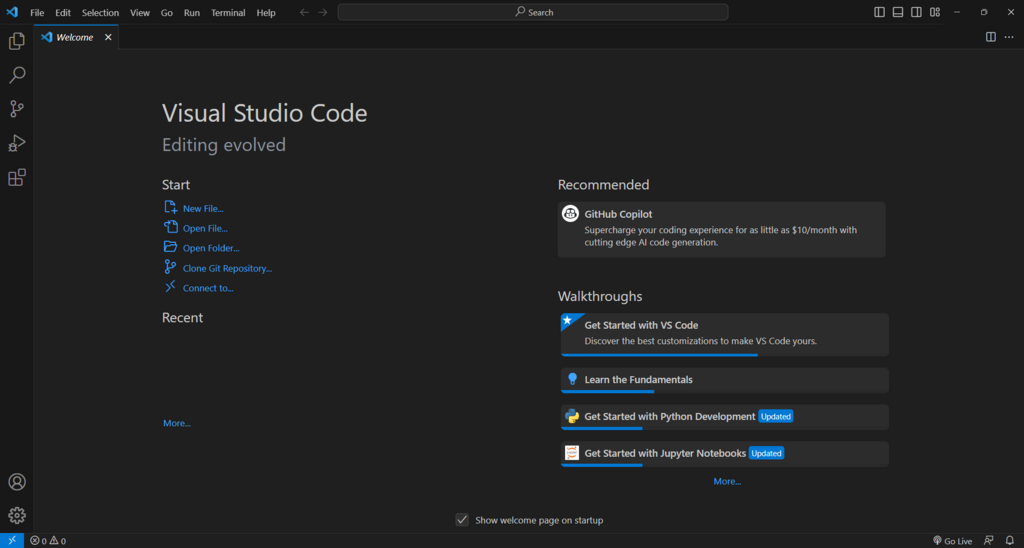
Next, you need a code editor. While you could use a basic text editor, most developers use an Integrated Development Environment, or IDE. An IDE is like a supercharged text editor designed specifically for programming. It combines a code editor with helpful tools like syntax highlighting (coloring your code to make it more readable), debugging tools to find errors, and a way to easily run your code.
Two of the most popular IDEs for Python are Visual Studio Code (VS Code) and PyCharm. Both are excellent choices for beginners and professionals alike. They provide a clean, organized space to write, test, and manage your projects.
Your First Python Program
A long-standing tradition in programming is to make your first program display the message "Hello, World!". This simple task confirms that your environment is set up correctly and gives you a first taste of the language's syntax.
In Python, this is remarkably simple. You just need one line of code. It uses the built-in print() function, which does exactly what its name suggests: it prints text to the screen.
print("Hello, World!")
To run this, open your IDE, create a new file (you can name it hello.py), type the code above, and save it. Then, look for a 'Run' button, which is often a green triangle icon. Clicking it will execute your script, and you should see the output appear in a terminal or console window within your IDE.
Hello, World!
Congratulations! You've just written and executed your first Python program. This simple step is the foundation for everything that comes next.
What is the primary role of the Python interpreter?
Which of the following lines of code will correctly print the message Hello, Python! to the screen?