Python Programming Fundamentals
Introduction to Python
What is Python?
Python is a powerful and popular programming language, known for being easy to read and write. Think of it like giving instructions to a computer. Some languages are complex and require very specific, technical commands. Python, on the other hand, uses a syntax that's closer to plain English, which makes it a great choice for beginners.
It's called a “high-level” language because you don't have to worry about the computer's inner workings, like managing memory. You can just focus on the problem you're trying to solve. It's also an “interpreted” language. This means that a program called an interpreter runs your code line by line, which makes it easy to test small pieces of your program as you go.
The language's simple, clean style is one of its biggest strengths. Code that is easy to read is also easier to maintain and debug.
A Brief History
Python was created by Guido van Rossum and first released in 1991. Van Rossum wanted to create a language that was both powerful and easy to understand. The name doesn't come from the snake, but from the British comedy group Monty Python's Flying Circus, a favorite of his.
Over the years, Python has evolved. You might hear about two major versions: Python 2 and Python 3. While Python 2 was popular for many years, it is no longer updated. Today, Python 3 is the standard, and it's the version you'll be learning and using.
Where is Python Used?
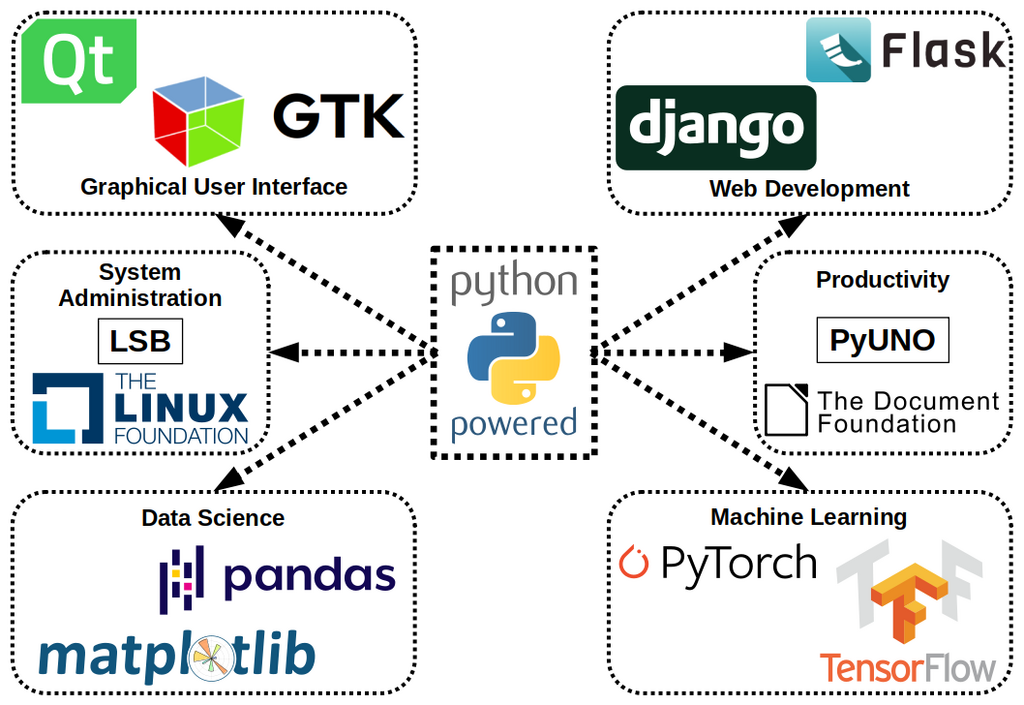
Python is incredibly versatile, which is why it's used in so many different fields. It's like a multi-tool for programmers. Some of the most common areas include:
- Web Development: Building the server-side logic of websites and web apps with frameworks like Django and Flask.
- Data Science and Machine Learning: Analyzing huge datasets, making predictions, and creating artificial intelligence models. Libraries like Pandas, NumPy, and TensorFlow make these complex tasks much simpler.
- Automation and Scripting: Writing small programs to automate repetitive tasks, like renaming files, sending emails, or scraping data from websites.
- Software Development: Creating desktop applications, games, and other software tools.
Getting Ready to Code
Before you can start writing Python, you need two things: the Python interpreter itself and a place to write your code. The interpreter is the program that understands and runs your Python instructions. You can download it for free from the official website, python.org, for Windows, macOS, or Linux.
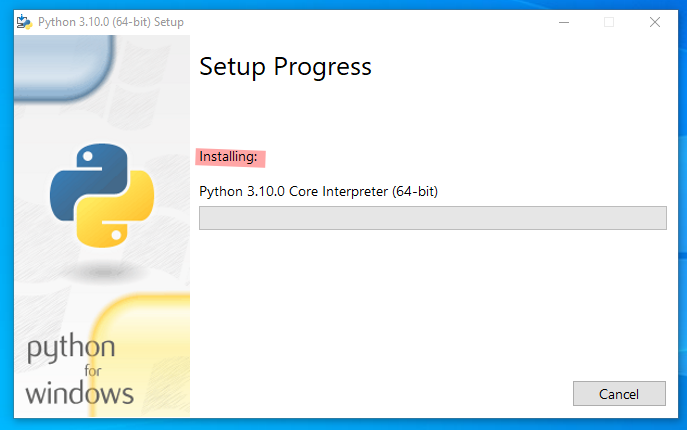
Once Python is installed, you need a code editor. While you could use a basic text editor, most programmers use an Integrated Development Environment, or IDE. An IDE is a software application that provides comprehensive facilities to programmers for software development. Think of it as a word processor specifically designed for writing code. It helps by color-coding your syntax, catching errors, and providing tools for testing and debugging your programs.
IDE
noun
An Integrated Development Environment is a software suite that consolidates the basic tools developers need to write and test software.
For beginners, a great choice is Thonny. It's a simple, lightweight IDE designed for learning Python. It comes with Python built-in, so you don't need a separate installation, and it has a very user-friendly interface and a debugger that helps you see what your code is doing step-by-step.
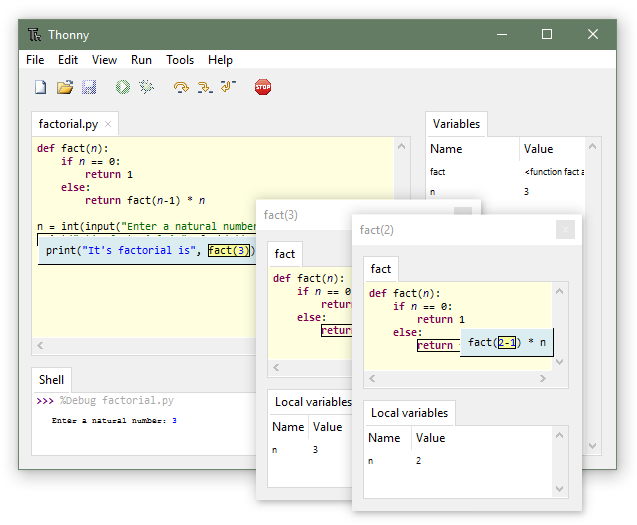
You can download Thonny from its website, thonny.org. Once you have it installed, you'll have everything you need to start writing your first Python program.
What does it mean that Python is a "high-level" language?
True or False: The name "Python" was inspired by the large snake.
Now that you have an overview of Python and your tools are set up, you're ready to dive into the code itself.