Python Programming Fundamentals
Introduction to Python
Meet Python
Python is a programming language, which is a way to give instructions to a computer. Think of it like a recipe: a set of steps for the computer to follow. What makes Python special is its simplicity. The language is designed to be readable and straightforward, almost like plain English. This makes it one of the best languages for people who are just starting to learn how to code.
Python’s design emphasizes readability, allowing programmers to express concepts in fewer lines of code than languages like C++ or Java.
It was created in the late 1980s by a Dutch programmer named Guido van Rossum. He wanted to make a language that was both powerful and easy to learn. Because of this focus on simplicity, Python has grown incredibly popular over the years, used by everyone from students to engineers at major tech companies.
What's It Used For?
Python isn't just for one type of task. It’s a bit like a Swiss Army knife for programmers. Its versatility is a major reason for its popularity. You can find Python powering all sorts of applications you might use every day.
Here’s a quick look at those areas:
- Web Development: Python is used to build the server-side logic of websites. Frameworks like Django and Flask help power sites like Instagram and Spotify.
- Data Science: Scientists and analysts use Python to process huge amounts of data, find patterns, and create visualizations. It's the go-to language for statistics and data analysis.
- Automation: Python scripts can automate repetitive tasks, like renaming thousands of files, sending emails, or filling out online forms. This saves time and reduces errors.
- Machine Learning: It is a leading language for artificial intelligence (AI) and machine learning. Researchers use it to build models that can recognize speech, identify images, or make predictions.
Getting Started
To start writing Python code, you first need to install the Python interpreter on your computer. This is the program that reads your Python code and tells the computer what to do. The installation process is straightforward and varies slightly depending on your operating system.
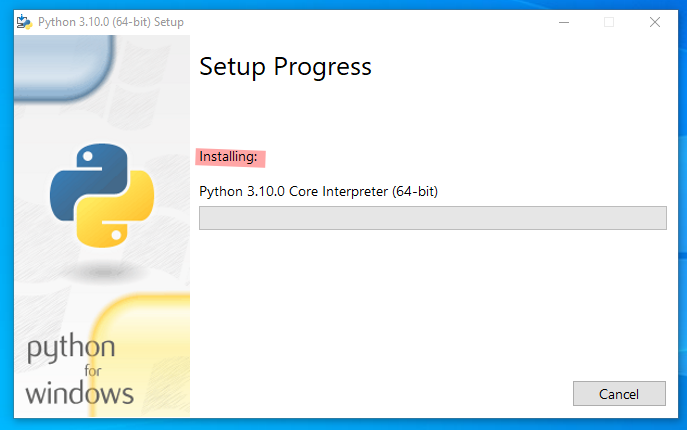
You can download the official installer from the Python website at python.org. They provide specific versions for Windows, macOS, and Linux. For Windows and macOS, you'll download an installer file and follow the on-screen instructions. Most Linux distributions come with Python pre-installed, but you might want to ensure you have the latest version.
During installation on Windows, make sure to check the box that says "Add Python to PATH." This small step makes it much easier to run your code later on.
Your First Coding Tool
While you can write Python code in a simple text editor, it's much easier to use an Integrated Development Environment, or IDE. An IDE is a software application that combines all the tools you need for programming into one place. It typically includes a text editor, tools for running your code, and a debugger for finding mistakes.
debugger
noun
A tool that helps programmers find and fix errors, or 'bugs,' in their code by letting them run it step-by-step.
There are many IDEs available, but a great one for beginners is Thonny. It was specifically designed for learning and teaching programming. Its interface is clean and uncluttered, and it comes with Python already built-in, so you don't have to install it separately. Thonny also has a fantastic debugger that helps visualize how your code is running, which is incredibly helpful when you're just starting out.
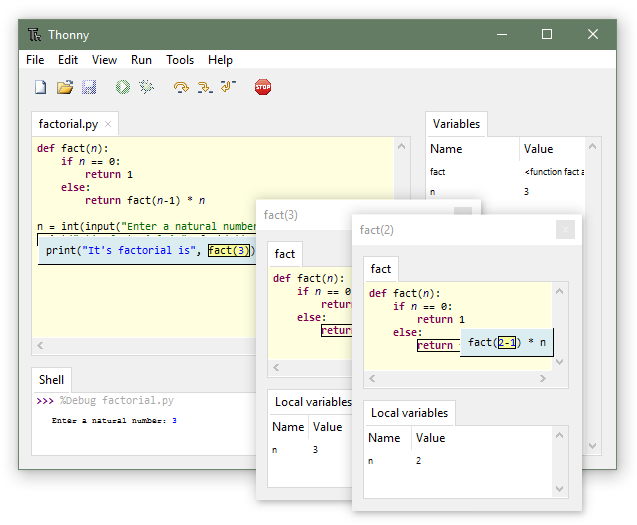
You can download Thonny for free from its website at thonny.org. It's available for Windows, macOS, and Linux. Once it's installed, you'll be ready to write and run your very first Python program.
What is the primary design philosophy behind the Python programming language?
Who is the creator of the Python programming language?
Now that you know what Python is and how to set up your tools, you're ready to start coding. In the next section, we'll write our first lines of code.