Python Programming Fundamentals
Introduction to Python
What Is Python?
Python is a programming language, which is a way for humans to give instructions to computers. Think of it like a recipe. You write down the steps, and the computer follows them to create something, whether it's a website, a game, or a tool for analyzing data.
It was created in the late 1980s by a programmer named Guido van Rossum. His goal was to make a language that was powerful but also easy to read and write. The syntax—the rules for writing the code—is clean and looks a lot like plain English. This makes it one of the best languages for people who are just starting to code.
Because it’s so readable, you can often guess what a piece of Python code does just by looking at it, even if you’ve never coded before.
What's Python Used For?
Python is incredibly versatile. It's not just for one specific type of task; it's used across many different industries for all sorts of things. It's like a multi-tool for programmers.
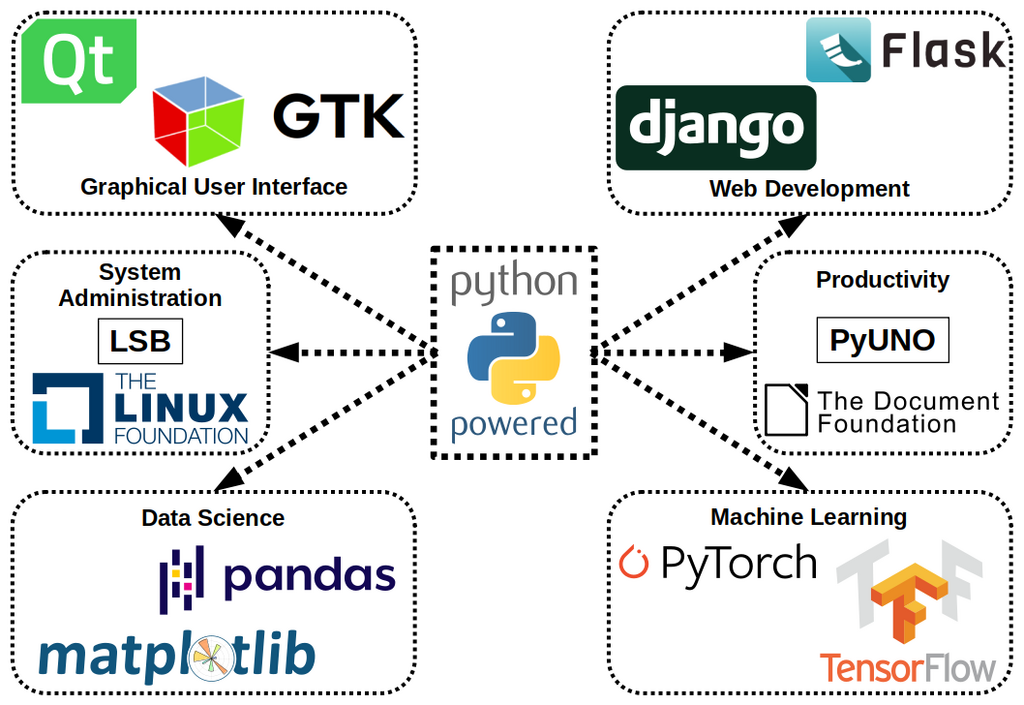
Some of the most common applications include:
| Field | What It Means | Examples |
|---|---|---|
| Web Development | Building the parts of websites that users don't see. | Instagram, Spotify, Netflix |
| Data Science | Analyzing huge amounts of information to find trends. | Predicting stock prices, weather forecasting |
| Artificial Intelligence | Creating programs that can think and learn. | Self-driving cars, virtual assistants |
| Automation | Writing scripts to do boring, repetitive tasks. | Renaming 1,000 files at once, web scraping |
Getting Python on Your Computer
Your computer probably doesn't have Python installed by default, so the first step is to get it yourself. The official and safest place to download Python is from its official website: python.org.
Go to the downloads page, and it should automatically detect your operating system (like Windows or macOS) and suggest the best version to download. Just click the button to download the installer file.
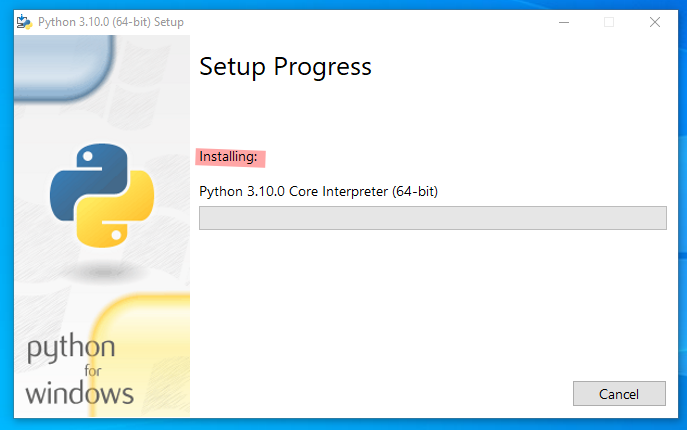
Once the download is complete, run the installer. The process is straightforward, but there's one very important step for Windows users.
On the first screen of the installer, make sure you check the box that says "Add Python to PATH." This will make it much easier to run Python from anywhere on your computer later on.
For macOS, the installation is a standard process of clicking through the prompts. For Linux users, Python is often pre-installed. You can check by opening a terminal and typing python3 --version. If it's not there, you can usually install it through your distribution's package manager.
Your First Coding Tool: Thonny
Now that Python is installed, you need a place to write your code. While you could use a simple text editor, it's much easier to use an Integrated Development Environment, or IDE. An IDE is a program designed specifically for writing code. It includes helpful features like syntax highlighting and debugging tools.
For beginners, one of the best IDEs is Thonny. It was created specifically for learning to program, so it's simple and doesn't have a lot of confusing buttons or menus. Best of all, it comes with its own copy of Python, so you can be sure everything will work together perfectly.
You can download Thonny from its website: thonny.org. Just like with Python, it will suggest the right version for your computer. Download and run the installer.
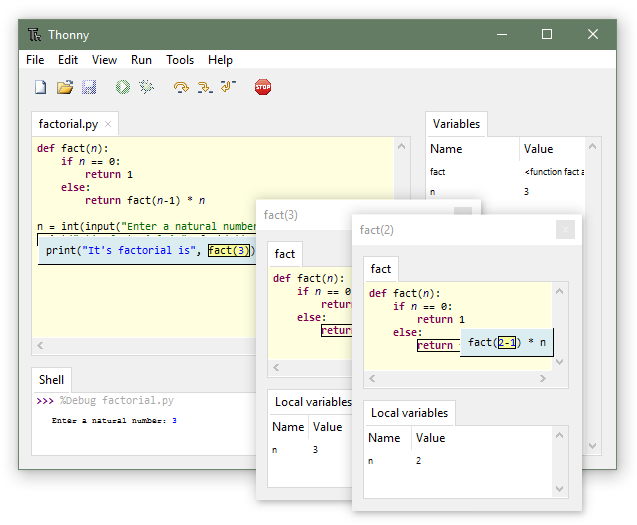
When you open Thonny, you'll see two main areas. The top part is the editor, where you'll write and save your Python files (also called scripts). The bottom part is the shell, which is where you can type single commands and see the output of your programs when you run them.
With Python and Thonny installed, you have everything you need to start writing your own programs.
What was the primary goal behind the creation of Python?
Who is the creator of the Python programming language?