Python Programming Fundamentals
Introduction to Python
What is Python?
Python is a programming language, which is a way for us to give instructions to a computer. Think of it like a recipe. You write down the steps, and the computer follows them to create something. What makes Python special is that its instructions are designed to be clear and readable, almost like plain English. This makes it one of the most popular languages for beginners.
It was created in the late 1980s by a programmer named Guido van Rossum. His goal was to make a language that was powerful but also simple to use. He succeeded. Today, Python is used for a huge variety of tasks. It powers websites like Instagram and Spotify, helps scientists analyze data from space telescopes, and is the go-to language for artificial intelligence and machine learning. It's also great for automating simple, repetitive tasks on your own computer.
Setting Up Your Workspace
To start writing Python, you need two things: the Python interpreter and a code editor. The interpreter is the program that reads your Python code and translates it into instructions the computer's hardware can understand. The code editor is where you'll actually write your code.
For beginners, it’s easiest to use an Integrated Development Environment, or IDE. An IDE bundles a code editor, the interpreter, and other helpful tools into a single application.
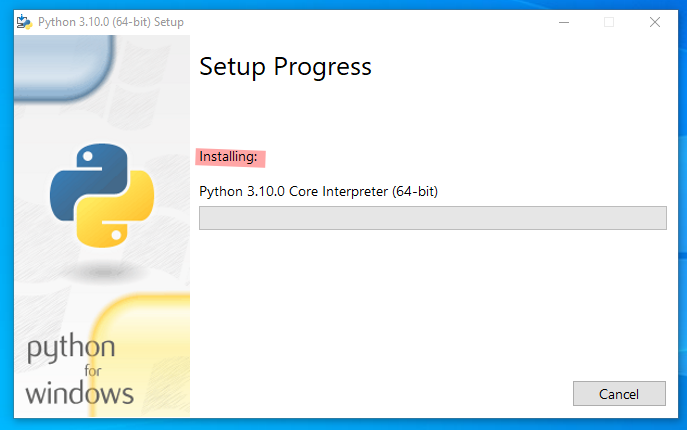
First, let's install Python itself. Head over to the official Python website at python.org and download the latest version for your operating system (Windows, macOS, or Linux). Run the installer and follow the on-screen instructions. On the first screen of the Windows installer, make sure to check the box that says "Add Python to PATH" before clicking "Install Now".
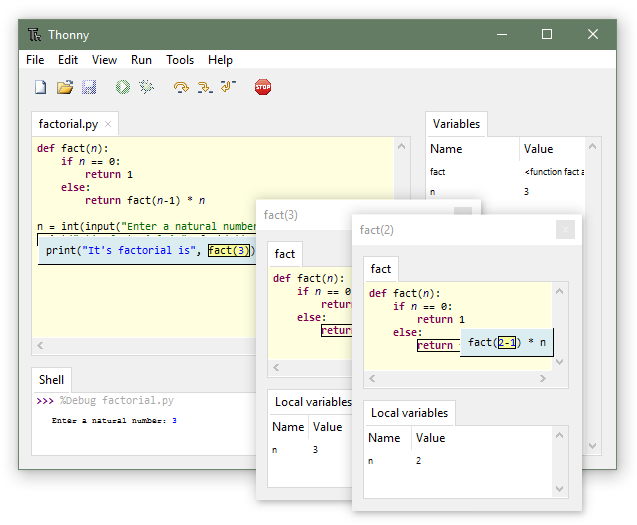
Next, we'll install an IDE called Thonny. It’s designed specifically for people learning Python. It has a clean, simple interface and comes with Python built-in, so you don't have to worry about complex configuration. Go to thonny.org and download the installer for your system. Once installed, open it up. You'll see a main window for writing code and a smaller panel at the bottom called the "Shell".
Your First Program
It's a tradition in programming to make your first program display the message "Hello, World!". Let's do that now in Thonny.
In the main editor window (the large, blank area at the top), type the following line of code exactly as you see it here:
print("Hello, World!")
This line tells Python to use its built-in print function to display the text inside the parentheses and quotation marks. Now, save your file. Go to File > Save and name it hello.py. The .py extension is important, as it tells the computer this is a Python file.
To run your program, click the green play button in the toolbar. Look at the Shell panel at the bottom. You should see your message!
Hello, World!
Congratulations! You have just written and executed your first computer program. You gave the computer a command, and it did exactly what you told it to do. This is the fundamental skill of all programming.
What is the primary design philosophy of the Python programming language, as described in the text?
What is an IDE (Integrated Development Environment)?
You've successfully set up your environment and run your first script. You're now ready to start exploring the fundamental building blocks of the Python language.