Python Programming Fundamentals
Introduction to Python
What is Python?
Python is a powerful, versatile programming language. Think of it as a tool that can build almost anything, from websites and apps to tools for scientific research. It was created in the late 1980s by Guido van Rossum, who wanted a language that was easy to read and write. Fun fact: he named it after the British comedy troupe Monty Python, not the snake.
The core philosophy behind Python is readability. Code is meant to be read more often than it's written, so Python's syntax is clean and uncluttered. This makes it a great language for beginners.
Another key feature is its massive standard library, often described as “batteries included.” This means a huge collection of pre-written code is available right out of the box, saving you time and effort.
What's It Used For?
Python's simplicity doesn't limit its power. It’s used by companies like Google, Netflix, and NASA for a huge variety of tasks.
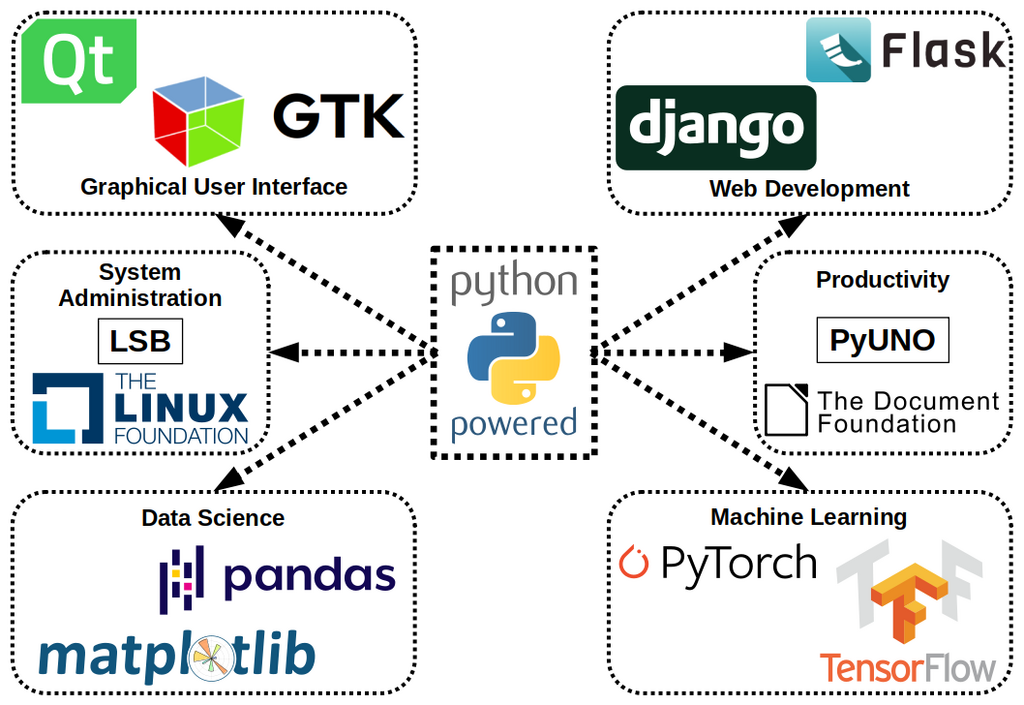
Here are just a few areas where Python shines:
- Web Development: Frameworks like Django and Flask allow developers to build complex websites and web applications quickly.
- Data Science and Machine Learning: Libraries such as pandas, NumPy, and TensorFlow have made Python the top choice for analyzing data, visualizing information, and building artificial intelligence models.
- Automation: Python is excellent for writing scripts that automate repetitive tasks, like organizing files, sending emails, or scraping data from websites.
Getting Started
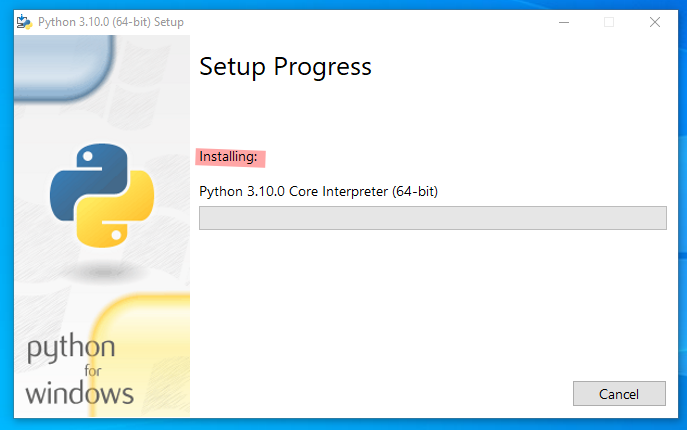
First, you'll need to install Python on your computer. You can download the latest version from the official website, python.org. The installation process is straightforward for Windows and macOS. Many Linux distributions come with Python already installed.
Once Python is installed, you need a place to write your code. While you can use a simple text editor, most programmers use an Integrated Development Environment, or IDE. An IDE is software that provides tools to make coding easier, like syntax highlighting and debugging.
For beginners, Python's built-in IDE, called IDLE, is a good place to start. Other popular choices include Visual Studio Code and PyCharm.
Your First Lines of Code
Let's explore the basic building blocks of Python: variables, data types, and comments.
variable
noun
A container for storing a value. You can think of it as a labeled box where you put information.
Creating a variable is simple. You just choose a name, use the equals sign (=), and provide a value.
user_name = "Alice"
user_age = 30
Here, user_name is a variable holding text, and user_age holds a number. The type of data a variable holds is called its data type. Python automatically detects the data type for you.
Here are some fundamental data types:
- String (
str): Text, enclosed in single or double quotes."Hello, World!" - Integer (
int): Whole numbers.10,-5,1000 - Float (
float): Numbers with a decimal point.3.14,-0.5 - Boolean (
bool): Represents one of two values:TrueorFalse. Useful for logic.
# This is a comment. Python ignores anything after the # symbol.

# String data type
greeting = "Welcome to Python"

# Integer data type
year = 2024

# Float data type
pi_approx = 3.14159

# Boolean data type
is_learning = True
The lines starting with a # are comments. The computer ignores them completely. Comments are notes for yourself or other programmers to explain what the code does. Using them is a great habit to build early on.
What is the primary purpose of a comment in Python, which begins with a # symbol?
Python's 'batteries included' philosophy refers to its extensive standard library.
That covers the absolute basics of what Python is and how to write your first, simple assignments. You're now ready to explore how to make your programs do more interesting things.