Python Programming Fundamentals
Introduction to Python
What is Python?
Python is a popular, high-level programming language known for its clear syntax and readability. Created by Guido van Rossum and first released in 1991, its design philosophy emphasizes code that's easy to read and write. Think of it as a language that prefers English keywords over punctuation, making it less intimidating for beginners.
A few key features make Python stand out. It's an interpreted language, which means you can run the code line by line and see immediate results, making debugging easier. It also has a huge standard library, giving you a toolkit of pre-written code for common tasks right out of the box. This means you can build complex applications more quickly.
Where is Python Used?
Python is incredibly versatile, which is why it's used in so many different fields. It's like a Swiss Army knife for programmers.
From web development and data analysis to artificial intelligence and scientific computing, Python is a go-to language for developers worldwide.
Here are a few examples:
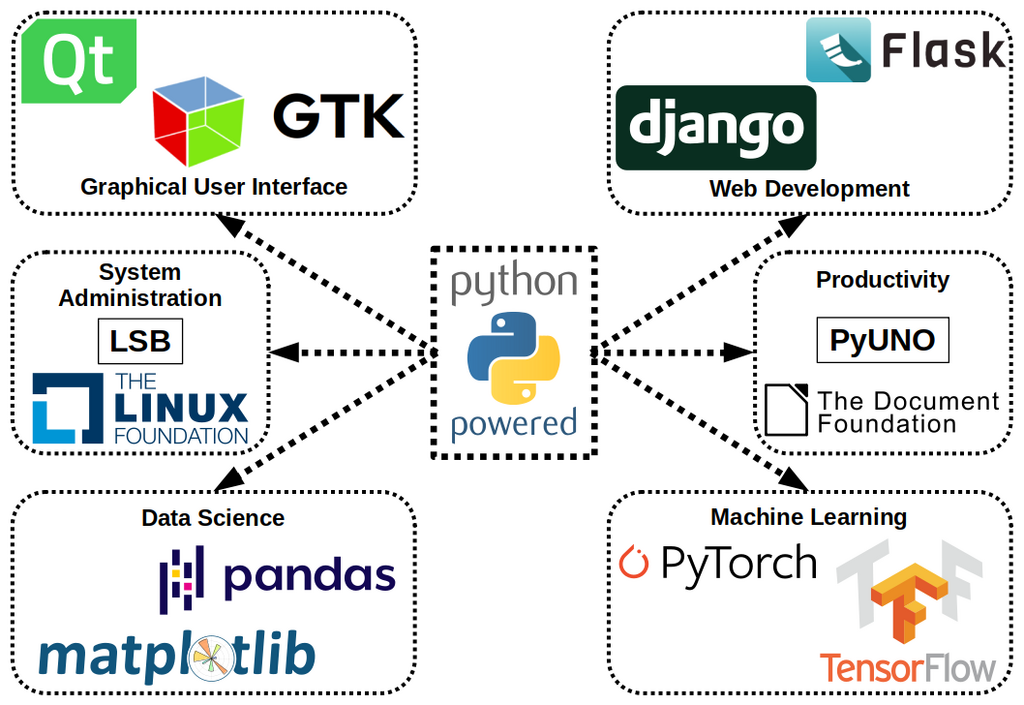
- Web Development: Frameworks like Django and Flask allow developers to build powerful web applications quickly.
- Data Science & Machine Learning: Libraries such as Pandas, NumPy, and TensorFlow have made Python the leading language for analyzing data, visualizing findings, and building machine learning models.
- Automation: Python is excellent for writing scripts that automate repetitive tasks, like organizing files, sending emails, or scraping data from websites.
- Software Development: It's used to build desktop applications, games, and even control robotics.
Getting Set Up
Before you can start coding, you need to install Python on your computer. The good news is that many operating systems, like macOS and Linux, come with Python pre-installed. However, it's always best to have the latest version.
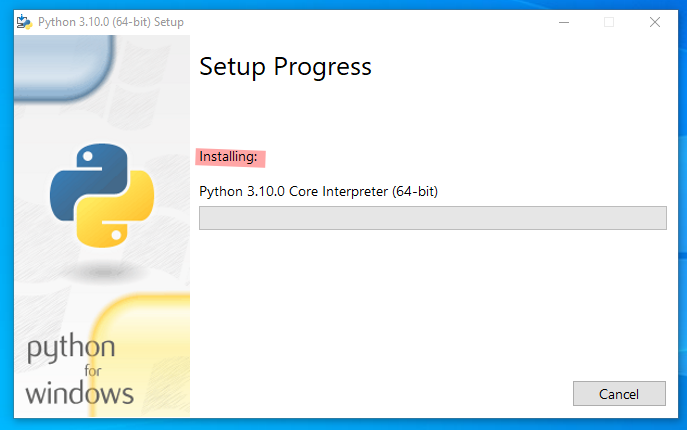
You can download the official installer from the Python website, python.org. Just run the installer and follow the on-screen instructions. During installation on Windows, make sure to check the box that says "Add Python to PATH." This will make it easier to run Python from the command line.
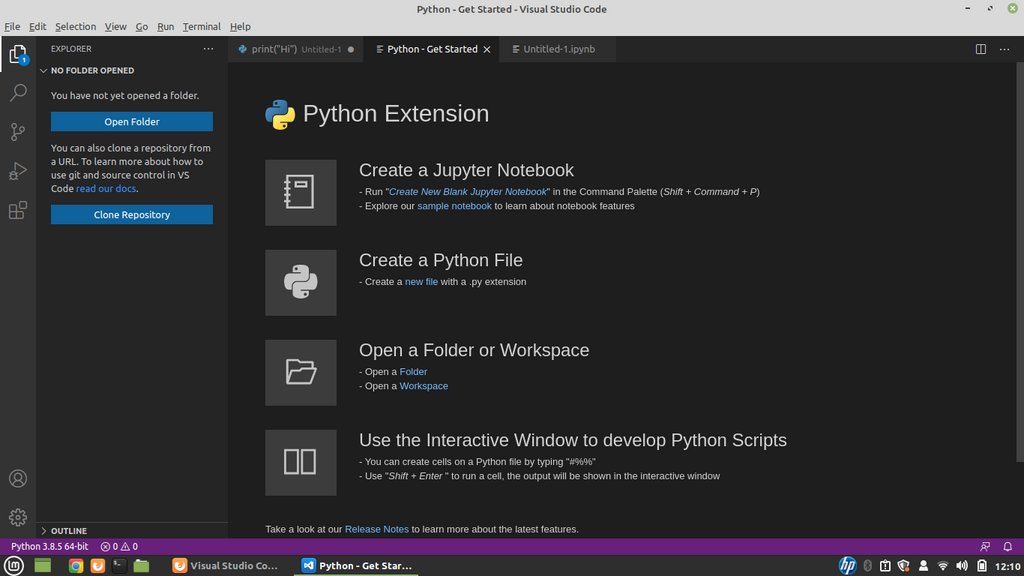
Once Python is installed, you need a place to write your code. While you can use a simple text editor, most developers use an Integrated Development Environment, or IDE. An IDE is a software application that provides comprehensive facilities to programmers for software development. It typically consists of a source code editor, build automation tools, and a debugger.
Think of an IDE as a specialized workshop for writing code, equipped with tools that make the job faster and easier.
There are many IDEs to choose from, but here are a few popular options for beginners:
- Visual Studio Code (VS Code): A free, lightweight, and powerful code editor with a huge library of extensions, including a very popular one for Python.
- Thonny: An IDE specifically designed for beginners. It comes with Python built-in and has a simple, clean interface.
- PyCharm: A more feature-rich IDE that's very popular among professional developers. It has a free Community Edition that's perfect for learning.
Your First Program
It's a time-honored tradition in programming to start by making the computer say "Hello, World!". This simple task confirms that your setup is working correctly and gives you your first taste of the language's syntax.
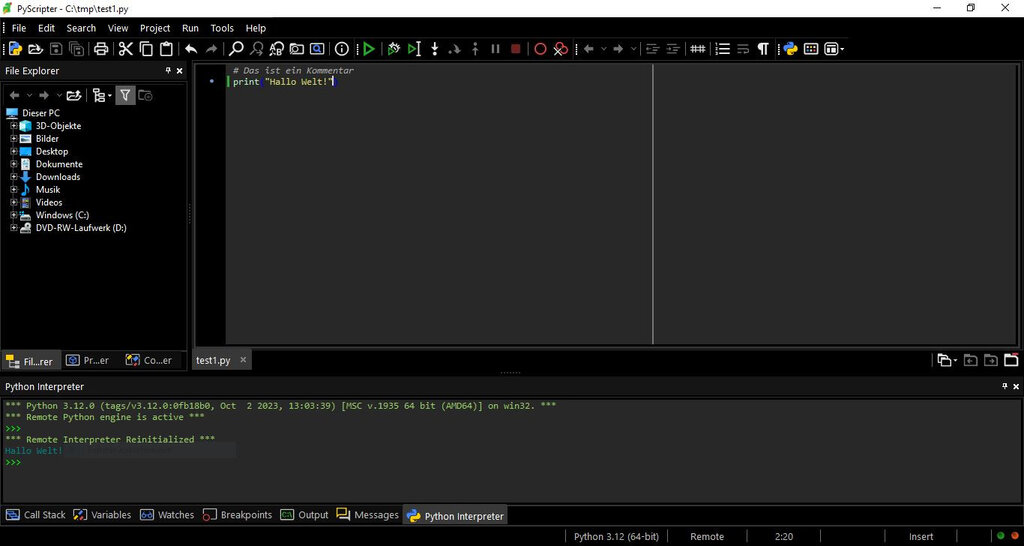
First, open your IDE or text editor and create a new file. Save it as hello.py. The .py extension is important because it tells the computer that this is a Python file.
Now, type the following line of code into your file:
print("Hello, World!")
That's it! This one line is a complete Python program. The print() function simply tells the computer to display whatever is inside the parentheses on the screen.
To run your program, you'll need to use your computer's terminal or command prompt. Navigate to the directory where you saved hello.py and type the following command, then press Enter:
python3 hello.py
If you're on an older system, you might just need to type python hello.py. If everything is set up correctly, you should see the text Hello, World! printed in your terminal.
What is a core design philosophy of the Python programming language?
Python is described as an "interpreted" language. What is a key benefit of this?
Congratulations, you've just written and executed your first Python program! This is the first step on a long and rewarding journey into the world of programming.