Python Made Simple
Introduction to Python
What is Python?
Python is a programming language, which is a way to give instructions to a computer. Think of it like a recipe. You write down the steps, and the computer follows them to create something, whether it's a website, a game, or an analysis of data.
What makes Python special is its simplicity. The language is designed to be readable and straightforward, almost like plain English. This makes it one of the best languages for beginners to learn. But don't let its simplicity fool you; it's also incredibly powerful and used by companies like Google, Netflix, and NASA.
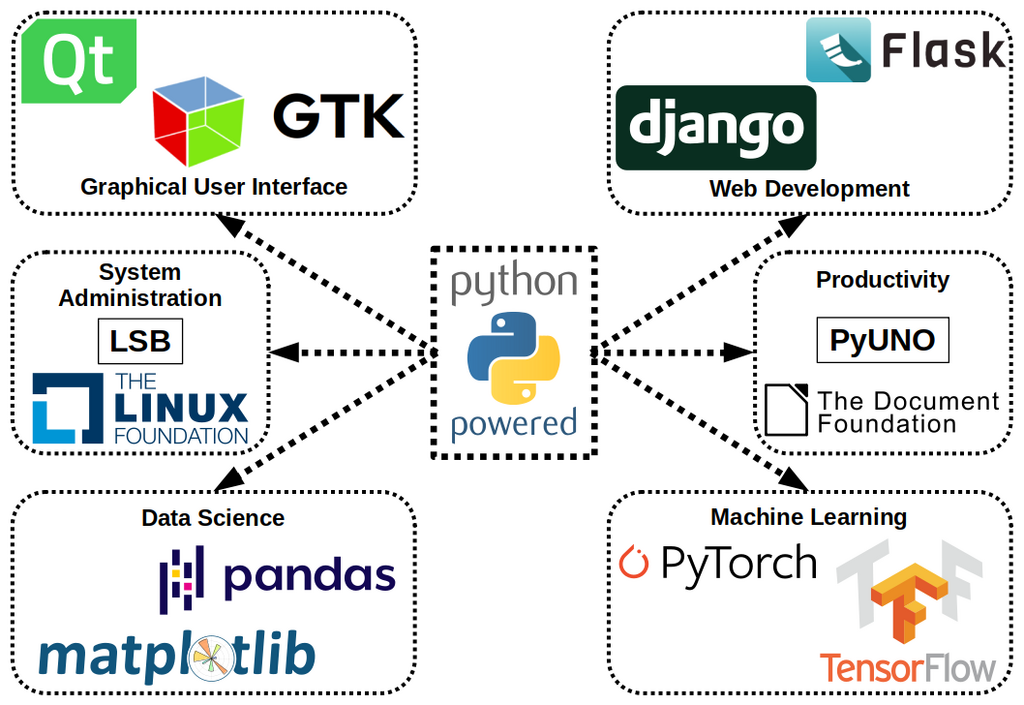
Python is a general-purpose language, which means it can be used to build just about anything.
It's the engine behind a huge variety of applications. Data scientists use it to find patterns in massive datasets. Web developers use it to build the back-end of websites, which is the part that handles user accounts and database interactions. It's also a favorite for automating repetitive tasks, like sending emails or organizing files.
Getting Python Ready
Before you can start writing Python code, you need to install it on your computer. It's a free and simple process.
First, head over to the official Python website at python.org. You'll find a downloads page with installers for Windows, macOS, and other operating systems. Just download the latest stable version for your system and run the installer.
During installation on Windows, make sure to check the box that says "Add Python to PATH." This small step makes it much easier to run your code from anywhere on your computer.
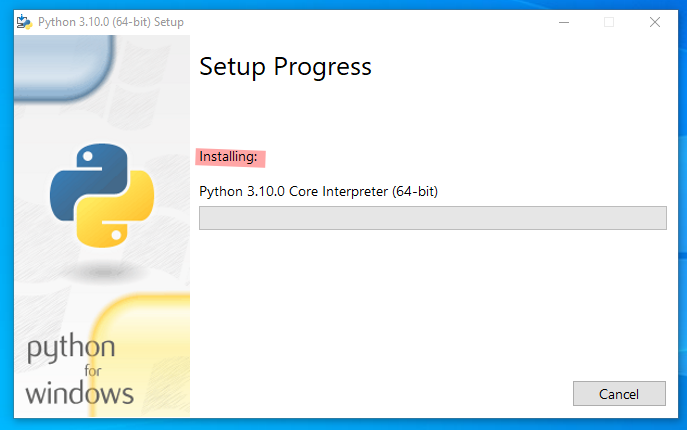
Once Python is installed, you have everything you need to start. The installation includes a simple program called IDLE (Integrated Development and Learning Environment). IDLE has a text editor where you can write your code and a way to run it to see the results. For now, it's the perfect tool for the job.
Your First Program
It's a tradition in programming to make your first program display the message "Hello, World!". This is a simple way to confirm that your setup is working correctly.
Let's write this program. First, open IDLE from your start menu or applications folder. Then, go to File > New File to open a blank editor window. In this window, type the following line of code:
print("Hello, World!")
Let's break that down.
printis a built-in Python function. A function is a named block of code that performs a specific task. In this case, theprintfunction's job is to display text on the screen.- The parentheses
()afterprintare where you provide the information, or argument, that the function needs. "Hello, World!"is the argument we're giving to theprintfunction. It's a piece of text, known as a string in programming, that we want to display. The quotation marks tell Python that this is text.
Now, save the file. Go to File > Save and name it something like hello.py. The .py extension is important because it tells your computer that this is a Python file.
With the file saved, it's time to run it. In the IDLE editor window, go to Run > Run Module, or simply press the F5 key. A new window, the Python Shell, will appear, and you should see your message.
Hello, World!
That's it! You've just written and executed your first Python program. You gave the computer an instruction, and it followed it perfectly. This is the fundamental process of all programming.
What is the primary design philosophy of the Python language, as described in the text?
In the code print("Hello, World!"), what is the purpose of the quotation marks?