Python Fundamentals for New Coders
Introduction to Python
What is Python?
Python is a popular, high-level programming language known for its readability and simple syntax. Think of it as a set of instructions you can give to a computer, written in a language that's closer to English than many other programming languages. This makes it a fantastic starting point for anyone new to coding.
It was created in the late 1980s by Guido van Rossum. His goal was to make a language that was both powerful and easy to write. Because of this, Python is now used for a huge range of tasks, from building websites and analyzing data to creating games and automating repetitive chores.
Key features of Python include its clean syntax, a massive standard library (pre-written code you can use), and a supportive global community.
Getting Python on Your Computer
Before you can start writing Python code, you need to install it on your computer. The process is straightforward and similar to installing any other application.
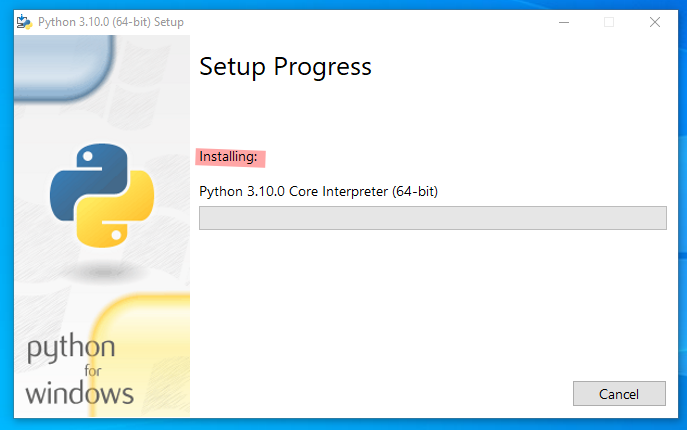
The best place to get Python is from its official website, python.org. This ensures you're getting a safe and up-to-date version. The website will automatically suggest the correct installer for your operating system, whether it's Windows, macOS, or Linux.
During installation on Windows, make sure to check the box that says "Add Python to PATH." This small step will make it much easier to run Python from the command line later on. For macOS and Linux, Python might already be pre-installed, but it's a good idea to install the latest version from the website to access new features.
Your Coding Workspace
While you can write Python code in a simple text editor, most programmers use an Integrated Development Environment, or IDE. An IDE is like a specialized workbench for coders, combining a text editor with other helpful tools, like a way to run your code and find errors.
For beginners, we recommend an IDE called Thonny. It was specifically designed for learning to code. It has a simple, clean interface and comes with Python built-in, so you don't have to worry about complex setup. You can download Thonny from its website, thonny.org.
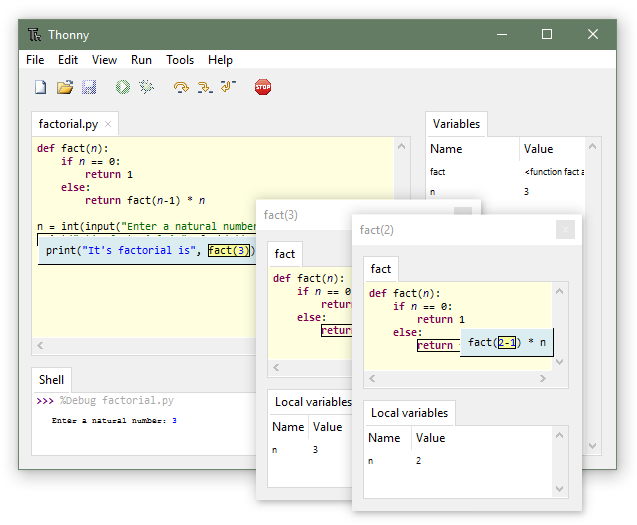
Once installed, Thonny provides a script area at the top where you can write your code and a "Shell" at the bottom where you'll see the output of your programs.
Writing Your First Program
Let's write a classic first program: one that simply displays the words "Hello, World!" on the screen. It's a long-standing tradition in the programming world.
Open Thonny. In the main editor window at the top, type the following line of code:
print("Hello, World!")
This code uses a built-in Python command called print(). Whatever you put inside the parentheses and quotation marks will be displayed as output.
Now, run your program. You can do this by clicking the green "Run current script" button in the toolbar (it looks like a play symbol). Thonny will ask you to save the file first. Name it something like hello.py and save it to your computer.
Once saved, the script will run. In the Shell area at the bottom of the Thonny window, you should see the output:
Hello, World!
Congratulations! You've just written and executed your first Python program. You've installed the necessary tools and learned how to give the computer a basic instruction.
What was the primary goal of Python's creator, Guido van Rossum, when he designed the language?
When installing Python on Windows from the official website, why is it recommended to check the box that says 'Add Python to PATH'?
This is just the first step on a long and exciting journey. From here, you can start exploring more of what Python has to offer.