Python Fundamentals for Beginners
Introduction to Python
What is Python?
Python is a popular programming language known for its clear and readable style. Think of it less like a cryptic code and more like a set of structured English instructions for your computer. Its design philosophy emphasizes code readability, which makes it a great language for beginners.
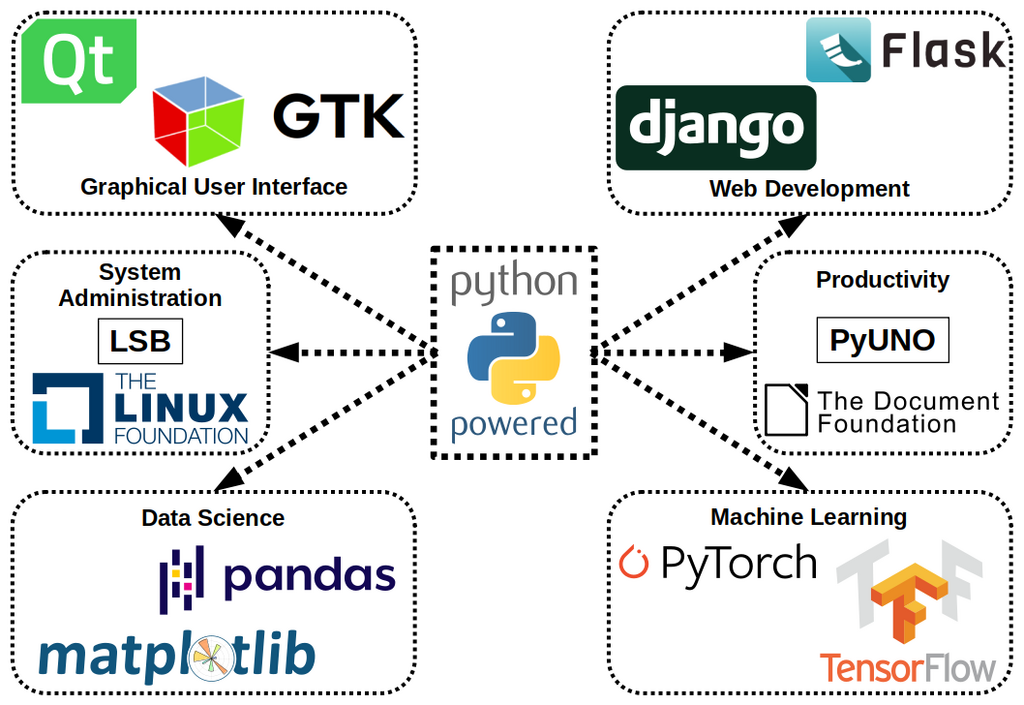
But it's not just for learning. Professionals use Python for a huge range of tasks. It's a powerhouse in data science, machine learning, web development, and automating repetitive jobs. From building websites to analyzing scientific data, Python is a versatile tool used by companies like Google, Netflix, and NASA.
Setting Up Your Workspace
Before you can start writing Python code, you need two things: the Python interpreter and a place to write your code. The interpreter is what reads your Python instructions and translates them into a language the computer's hardware can understand and execute.
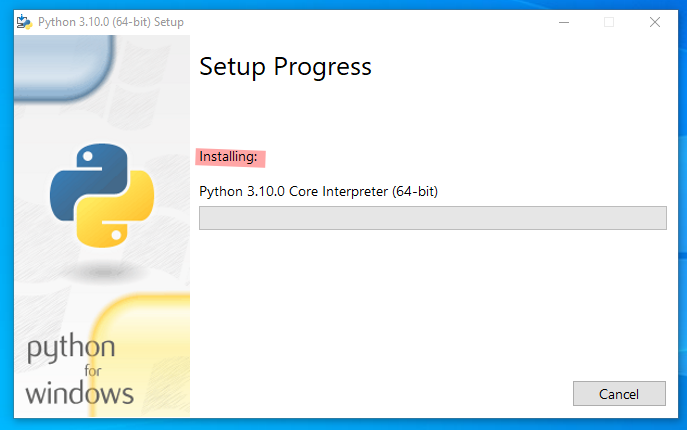
You can get the official interpreter by downloading it from the python.org website. The installation process is straightforward, similar to installing any other application.
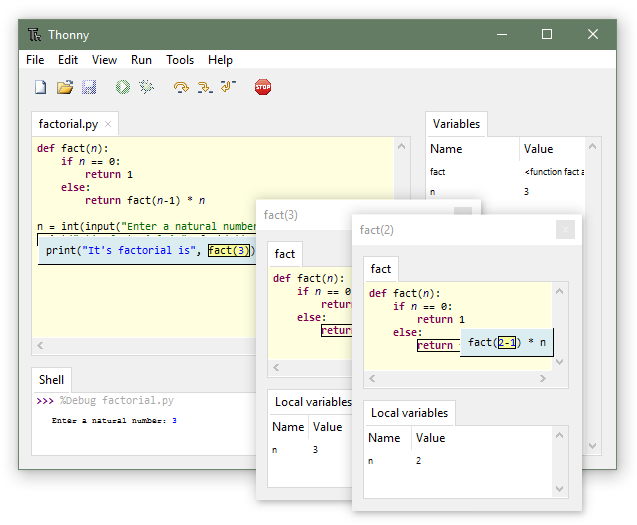
While you could write code in a plain text editor, most programmers use an Integrated Development Environment, or IDE. An IDE is a special-purpose editor that makes coding easier with features like syntax highlighting, error checking, and debugging tools. For beginners, an IDE called Thonny is an excellent choice because it's simple and designed for learning.
Your First Script
A long-standing tradition in programming is to make your first program display the message "Hello, World!". In Python, this is incredibly simple. It takes just one line of code.
print("Hello, World!")
Let's break that down. print is a function, which is a pre-written piece of code that performs a specific action. In this case, the print() function takes whatever is inside the parentheses and displays it on the screen. The text inside the quotation marks is called a string, which is just a sequence of characters.
To run this, you would type that line into your IDE, save the file (for example, as hello.py), and then hit the 'Run' button. The output "Hello, World!" will appear in a console or output window.
Understanding the Rules
Every language has rules of grammar and structure, and programming languages are no different. This is called syntax. Python's syntax is famously clean and easy to follow. One of the most important and unique rules in Python is its use of indentation.
In many other languages, programmers use braces {} to group blocks of code together. Python doesn't. Instead, it uses whitespace. Lines of code that are part of the same block must be indented by the same amount. This isn't just for style; it's a strict rule the interpreter enforces. Usually, this means indenting with four spaces.
# This is a simplified example
# Don't worry about the 'if' yet, just notice the indentation.

# Correct indentation
if True:
    print("This is inside the 'if' block")

# Incorrect indentation (this will cause an error)
if True:
print("This will not run")
Indentation isn't optional in Python. It's how the language understands the structure and logic of your code.
Interacting with Your Program
So far, we've only seen how to make a program display information. That's output. But what about getting information from the person using the program? For that, we use another built-in function called input().
The input() function pauses the program, waits for the user to type something and press Enter, and then returns whatever they typed as a string. You can store that string in a variable to use later.
# 1. Ask the user for their name and store it in a variable called 'name'.
name = input("What is your name? ")

# 2. Print a greeting using the name the user provided.
print("Hello, " + name + "!")
In this example, the program first displays "What is your name? ". It then waits. If you type in "Ada" and press Enter, the string "Ada" gets stored in the name variable. The final line then uses that variable to print a personalized greeting: "Hello, Ada!".
What is the primary design philosophy of Python?
In Python, how are blocks of code (like the body of a loop or function) grouped together?
You've taken your first steps into the world of Python. You've set up your environment, written a program, and learned how to communicate with it. These are the essential building blocks for everything that comes next.