Python for Tamil Speakers
Introduction to Python
What Is Python?
Python is a high-level programming language known for its clear, readable syntax. Think of it less like a cryptic code and more like a set of structured English instructions for your computer. It was created in the late 1980s by Guido van Rossum, a Dutch programmer who wanted to build a language that was both powerful and easy to read. And no, it's not named after the snake. Van Rossum was a big fan of the British comedy troupe Monty Python's Flying Circus.
What makes Python so popular? A few key things stand out:
- Readability: Python's design philosophy emphasizes code readability. Its clean syntax means you spend less time trying to understand what the code does and more time solving problems.
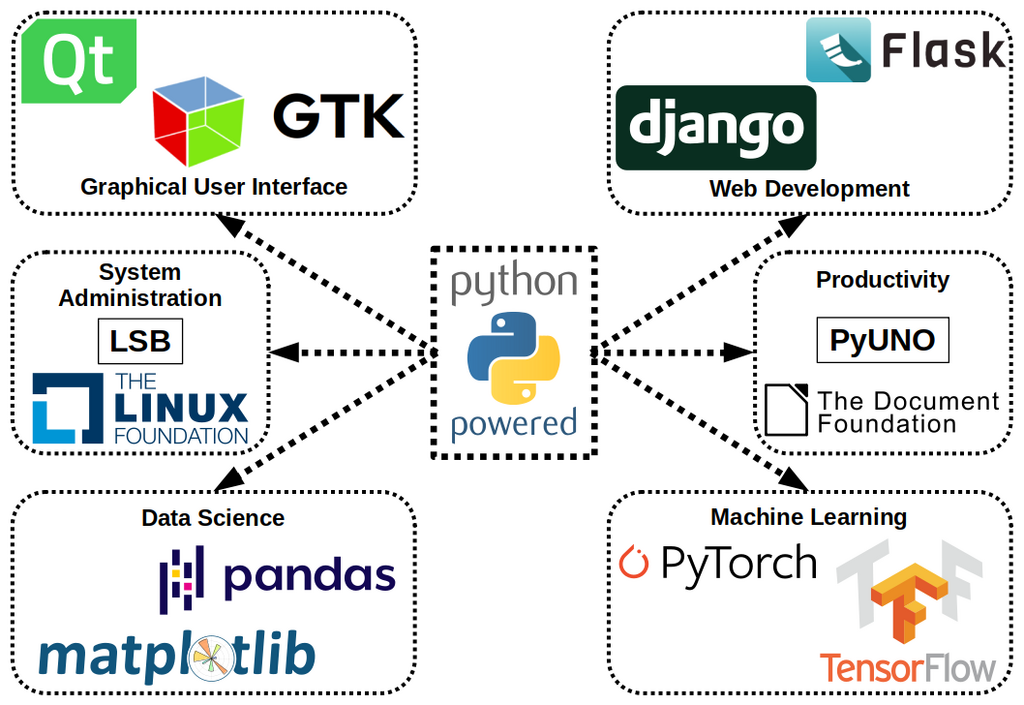
- Versatility: You can use Python for almost anything, from building websites and automating repetitive tasks to conducting complex data analysis and building machine learning models.
- Large Community: Python has a massive and active global community. This means if you ever get stuck, there's a huge collection of tutorials, forums, and libraries to help you out.
Getting Python on Your Machine
Before you can start coding, you need to have Python installed. The good news is that many operating systems, especially macOS and Linux, often come with Python pre-installed. You can check by opening your terminal (or Command Prompt on Windows) and typing one of these commands:
python3 --version
If you see a version number like Python 3.10.7, you're all set. If not, or if you're on Windows, you'll need to install it yourself.
Be sure to install Python 3, not Python 2. Python 2 is an older version that is no longer supported.
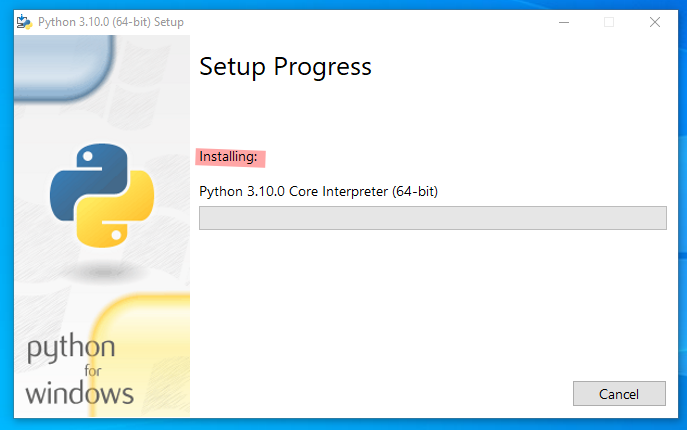
For Windows users, the best way to get Python is from the official website, python.org. Download the latest installer and run it. There's one very important step during installation: make sure to check the box that says "Add Python to PATH." This allows you to run Python from your command prompt from any directory.
On macOS, you can also use the installer from python.org, or you can use a package manager like Homebrew. On Linux, you can typically use your distribution's built-in package manager, such as apt for Debian/Ubuntu.
Your Coding Environment
Once Python is installed, you need a place to write your code. There are two primary ways to do this.
The first is the Python interactive shell, also called the REPL (Read-Eval-Print Loop). This is a tool that lets you type Python commands one at a time and see the results instantly. It's great for testing small snippets of code. To start it, just type python3 (or just python on Windows) into your terminal and press Enter. You'll see a >>> prompt, which means the shell is ready for your commands.
For writing longer programs, you'll want to use a text editor or an Integrated Development Environment (IDE). A text editor is a simple program for writing code, while an IDE is a more powerful tool that includes features like code completion, debugging, and project management.
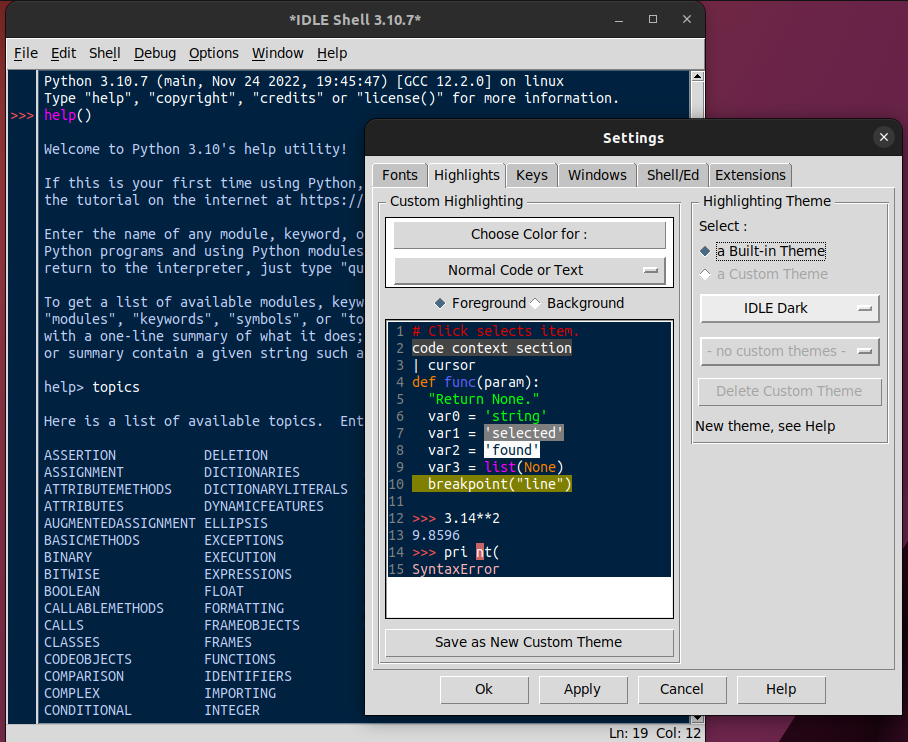
Python comes with a simple, beginner-friendly IDE called IDLE (Integrated Development and Learning Environment). It provides both an interactive shell and a text editor for writing and running .py files.
Your First Python Program
Let's write the traditional first program for any new language: "Hello, World!". This simple program just prints the text "Hello, World!" to the screen. It's a quick way to confirm that your Python installation is working correctly.
First, try it in the Python interactive shell. Open your terminal, start the shell, and at the >>> prompt, type:
print("Hello, World!")
When you press Enter, you should see Hello, World! printed on the next line.
Now let's create a script file. Open a plain text editor (like Notepad on Windows, TextEdit on Mac, or IDLE's editor) and type the same line of code into it.
# hello.py
print("Hello, World!")
Save the file as hello.py. The .py extension is important; it tells your computer this is a Python script. Now, navigate to the directory where you saved the file using your terminal and run the script with this command:
python3 hello.py
Just like before, you should see Hello, World! printed in your terminal. Congratulations, you've just written and executed your first Python program!
Now, let's test your understanding of these initial steps.
The Python programming language is named after...
Which of the following is a primary reason for Python's popularity?
You've taken your first steps into the world of Python. You know what it is, how to get it running, and how to write a basic program. From here, you can start exploring the building blocks of the language.