Python for Non-Developers
Introduction to Python
What Is Python?
Python is a programming language, which is a way to give instructions to a computer. Think of it like a recipe. You write a series of steps in a language the computer understands, and it follows them to get a job done. What makes Python special is its simple, clean syntax. It's designed to be readable and straightforward, almost like plain English. This makes it a great choice for beginners.
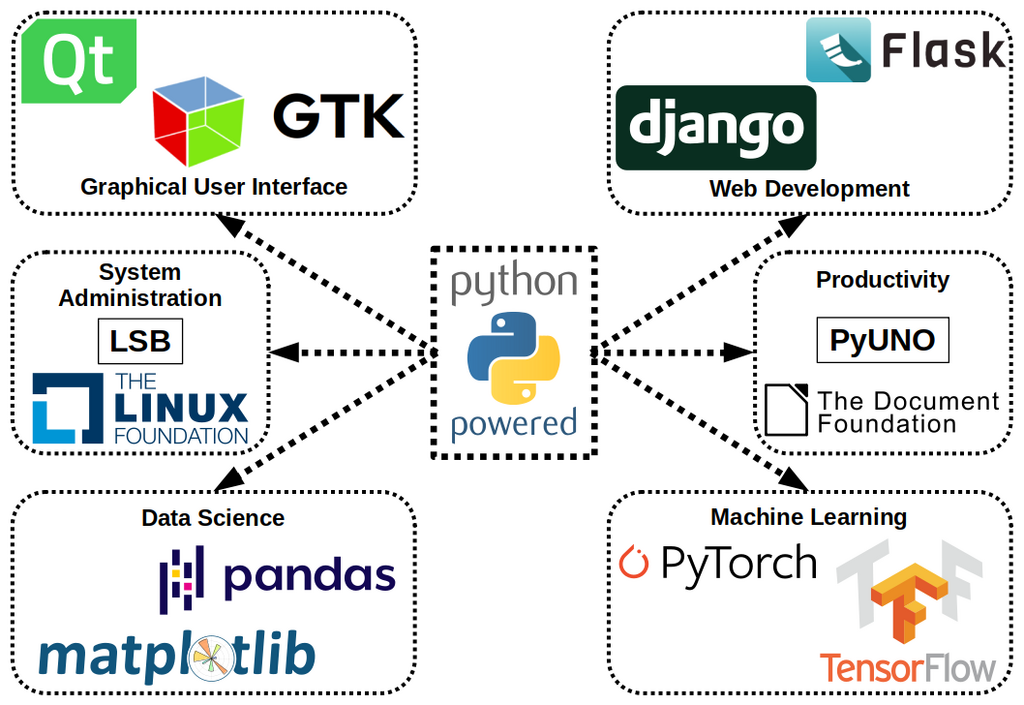
But it's not just for newcomers. Python is incredibly versatile and powerful. Professionals use it for everything from building websites and analyzing data to creating artificial intelligence and automating repetitive tasks. Its wide range of applications is supported by a massive community that has built countless free tools and libraries, making it easy to accomplish complex things without starting from scratch.
Setting Up Your Environment
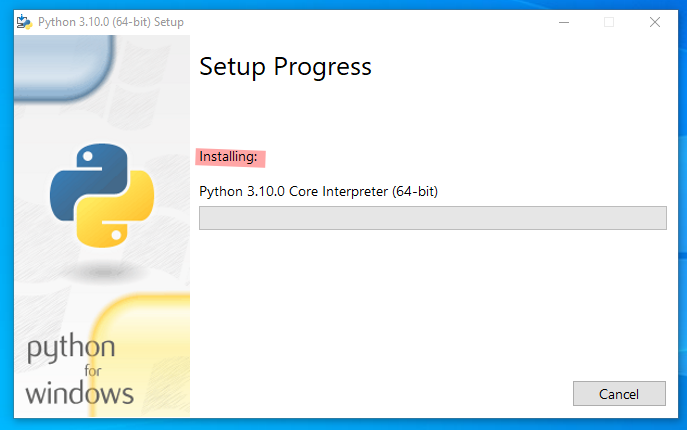
Before you can start writing Python code, you need to install it on your computer. This process also sets up your development environment, which is the collection of tools you'll use to write and run your programs.
You can download the official installer from the Python website. The installation is usually straightforward. During the process, you'll likely see an option that says "Add Python to PATH." It's very important to check this box. This step makes it possible to run Python programs from your computer's command line or terminal, which is a text-based way to interact with your operating system.
Once Python is installed, you have everything you need to start. You don't need fancy software. A simple text editor and your terminal are enough to write and execute your first script.
Your First Program
It's a tradition for a programmer's first program to be one that simply displays "Hello, World!" on the screen. This simple task confirms that your setup is working correctly and gives you your first taste of writing code.
First, open a plain text editor (like Notepad on Windows or TextEdit on Mac) and type the following line of code. Be careful with spelling, capitalization, and punctuation.
print("Hello, World!")
This line uses Python's built-in print() function. A function is a named block of code that performs a specific task. In this case, the print() function's job is to display whatever you put inside its parentheses on the screen.
Save this file as hello.py. The .py extension is important because it tells your computer that this is a Python file.
Now, open your terminal or command prompt. You'll need to navigate to the folder where you saved hello.py. Once you're in the correct directory, you can run the script by typing python followed by the filename:
python hello.py
Press Enter. If everything is set up correctly, you should see the text Hello, World! appear on the next line. You've just written and run your first Python program.
Which of the following best describes Python?
During Python installation, why is it important to check the box that says 'Add Python to PATH'?