Python for Absolute Beginners
Setting Up Python
Getting Python Ready
Before you can start writing amazing programs, you need to install Python on your computer. Think of it like setting up a workshop. You need the right tools before you can start building.
The best place to get Python is from the official source: python.org. Head over to their downloads page and grab the latest version. The website usually detects your operating system (like Windows or macOS) and suggests the correct installer.
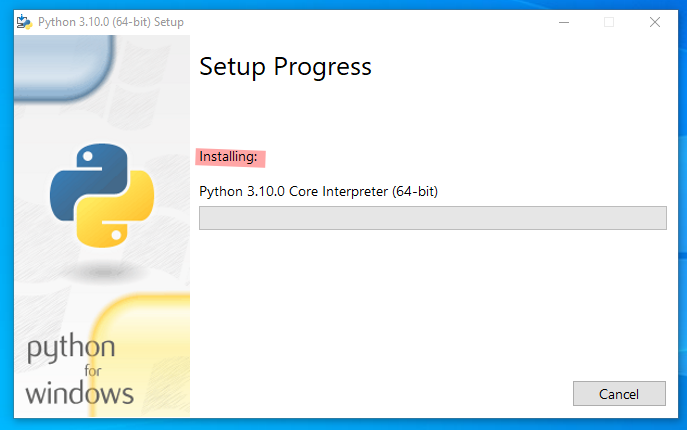
During installation on Windows, make sure to check the box that says "Add Python to PATH." This small step makes it much easier to run Python from anywhere on your computer. For macOS and Linux users, Python might already be installed. You can check by opening your terminal and typing python3 --version.
Your Coding Workspace
Once Python is installed, you need a place to write your code. You could use a simple text editor, but a much better tool is an Integrated Development Environment, or IDE.
IDE
noun
A software application that bundles common developer tools into a single graphical user interface. It typically includes a source code editor, a debugger, and tools to run your code.
An IDE is like a super-powered notebook for programmers. It highlights your code in different colors to make it readable, suggests completions as you type, and gives you a simple way to run your programs and see the output.
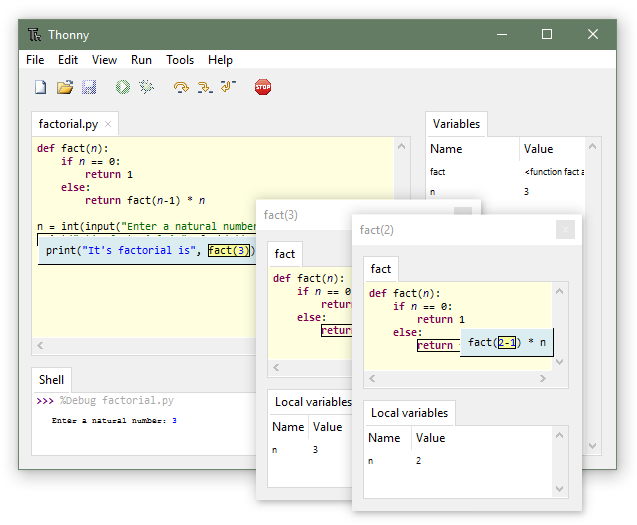
There are many IDEs, but a fantastic choice for beginners is Thonny. It's designed specifically for learning and comes with Python built-in, so it's simple to set up and use. It keeps things clean and uncluttered, letting you focus on the code itself.
Your First Script
Let's write and run your very first Python script. After you open your IDE (like Thonny), you'll see a text editor. This is where you'll type your code.
In the editor, type this single line:
print("Hello, Python!")
This is a simple instruction that tells the computer to display the text inside the parentheses.
Now, you need to run it. In most IDEs, there's a green "Run" button, often with a play symbol on it. Click that button. A new window or panel, usually called the "Shell" or "Console," will appear. There, you should see your message:
Hello, Python!
Congratulations! You've just written and executed your first Python program. You've installed the language, set up your coding environment, and successfully told the computer what to do.
Now let's check your understanding of these first steps.
What is the official website recommended for downloading Python?
During installation on Windows, which checkbox is crucial for making it easier to run Python from anywhere on your computer?
This setup is the foundation for everything you'll do in Python from here on out.