Programming Language Fundamentals
Introduction to Programming Languages
What Is a Programming Language?
Think about how people communicate. We use languages like English, Spanish, or Japanese, which have rules, grammar, and vocabulary. When you want to tell a computer what to do, you also need a language. That's where programming languages come in.
A programming language is a set of instructions and rules used to create software. It's a formal language that tells a computer how to perform a specific task, like adding two numbers or displaying an image on a screen. Just like human languages, each programming language has its own syntax—a specific structure you must follow for the computer to understand your commands.
A programming language enables communication with computers by providing instructions or commands to execute a specific set of tasks.
These instructions are the building blocks for all the apps, websites, and software you use every day.
Talking to Machines
At their core, computers are very simple. They only understand one language, called machine code, which is made up entirely of ones and zeros (binary). Writing instructions directly in binary would be incredibly slow and difficult for a person.
Programming languages act as a translator, bridging the gap between human ideas and the computer's binary world. You write instructions in a language that's easier for humans to read and write, like Python or C++. Then, a special program called a compiler or an interpreter translates your code into the ones and zeros the computer can execute.
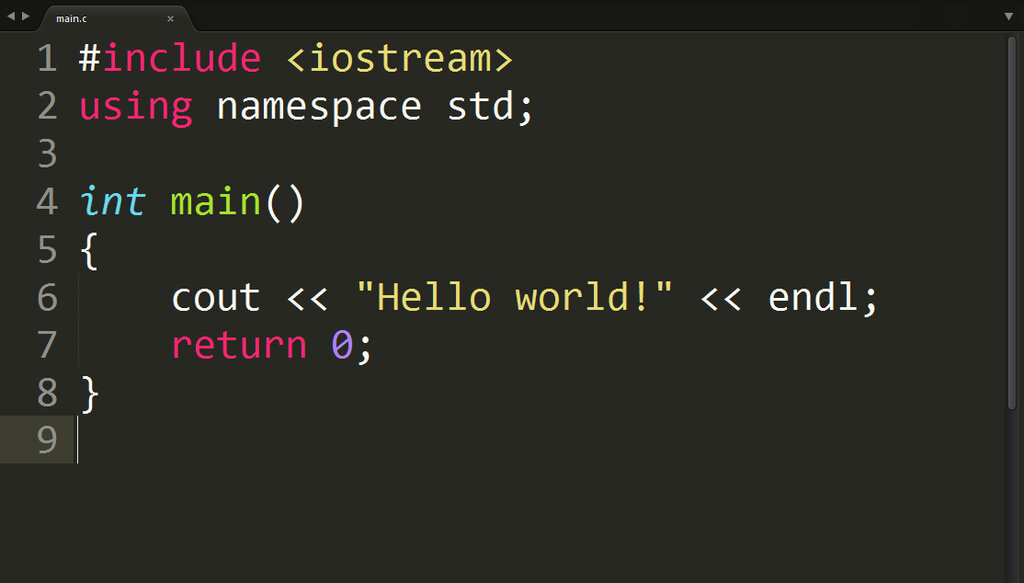
For example, this is what a simple instruction looks like in the C++ programming language. It tells the computer to display the text "Hello world!" on the screen.
A Quick Trip Through Time
Programming wasn't always this straightforward. The earliest languages were very low-level, meaning they were much closer to the ones and zeros the computer understands. Programmers had to use complex codes and even physical punch cards to give computers instructions.
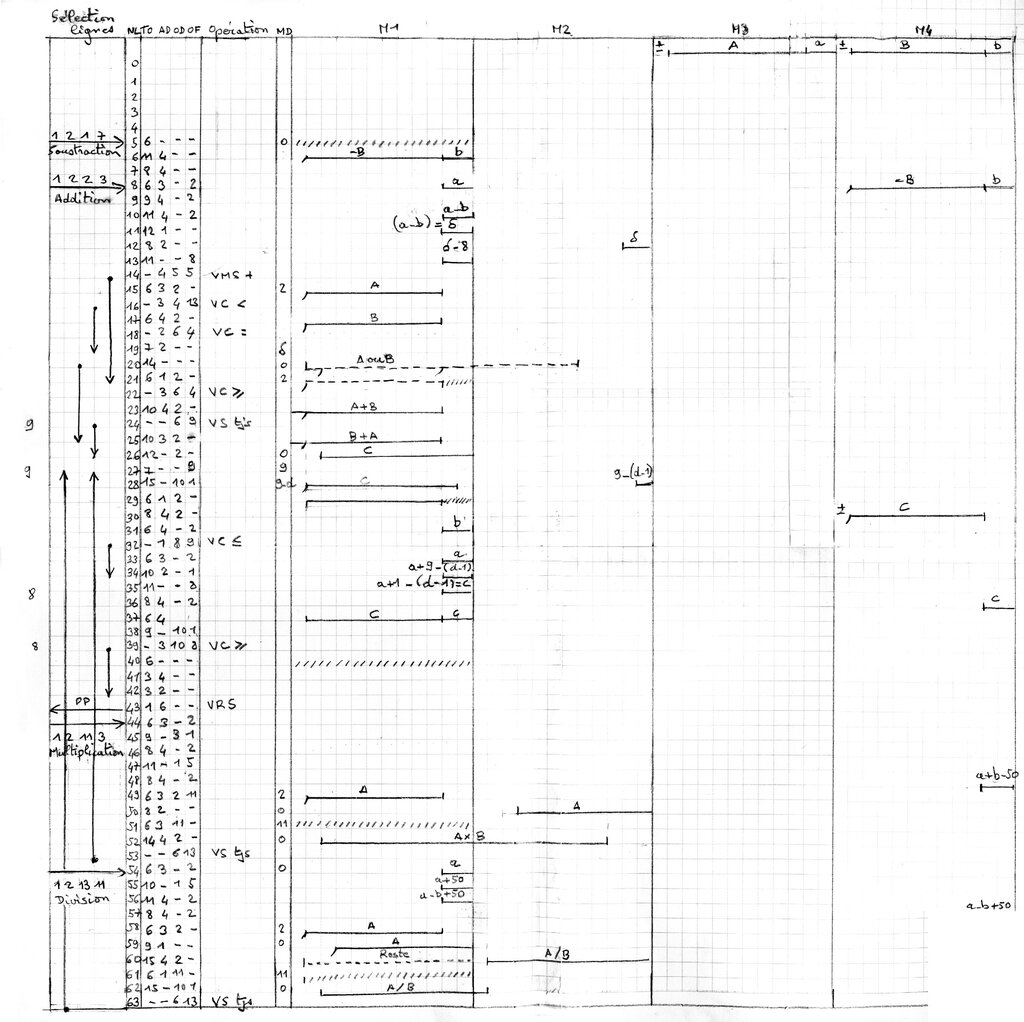
A major breakthrough was the creation of high-level languages. These languages use words and syntax that feel more natural to humans, hiding the complex details of the computer's hardware. This made programming accessible to a much wider audience and sparked an explosion in software development.
Over the decades, thousands of programming languages have been created, each with its own strengths. Some are designed for building websites, others for scientific computing, and still others for creating video games or mobile apps.
Today, programming languages are the essential tools that power our digital world. They allow developers to build the complex systems we rely on, from the operating system on your computer to the social media apps on your phone.
Every piece of software is built with a programming language. They are the foundation of all modern technology.
Now that you have a basic understanding of what programming languages are and why they're important, let's check what you've learned.
What is the primary purpose of a programming language?
The language that computers directly understand, consisting only of ones and zeros, is called ____.
Great job. Understanding the role of programming languages is the first step on your journey into coding.