Programming Fundamentals
Introduction to Programming
What is Programming?
At its heart, programming is simply the act of giving instructions to a computer. Think of it like writing a recipe. You have a goal, like baking a cake, and you need to write down a series of clear, step-by-step instructions for a baker to follow. If the instructions are good, you get a delicious cake. If they're confusing or out of order, you might end up with a mess.
In programming, the computer is the baker, you are the recipe writer, and your set of instructions is called a program.
Just as a recipe must be written in a language the baker understands, a program must be written in a language a computer can interpret. These are called programming languages. There are many different ones, each with its own strengths, but they all serve the same basic purpose: to translate human ideas into commands a machine can execute.
Program
noun
A set of instructions written in a programming language that a computer can execute to perform a specific task.
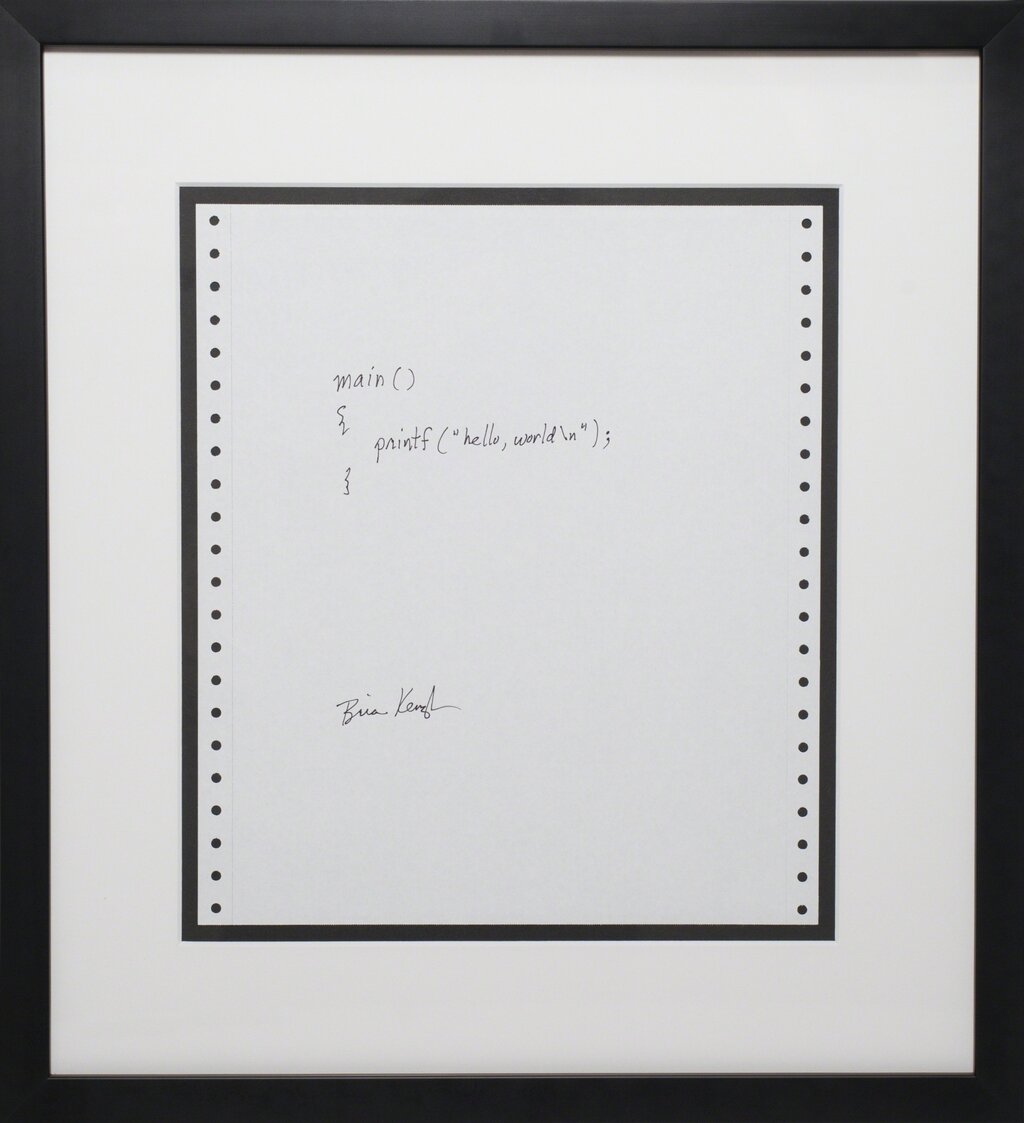
The very first program many people write is a simple one that just tells the computer to display the words "Hello, World!" on the screen. It's a tradition that goes back decades, acting as a basic test to make sure everything is working correctly. It’s the programming equivalent of a baby's first words.
Why Programming Matters
Programming is the backbone of the modern world. It’s not just for building websites or creating video games. The software that runs on our phones, powers our cars, and helps doctors diagnose diseases is all created through programming. It has transformed nearly every industry by allowing us to automate tasks, analyse vast amounts of data, and solve complex problems that would be impossible for a human to tackle alone.
| Field | How Programming is Used |
|---|---|
| Healthcare | Analysing patient data, powering medical devices, predicting disease outbreaks. |
| Entertainment | Creating video games, streaming services, and special effects in movies. |
| Finance | Securing online banking, automating stock trades, detecting fraud. |
| Science | Simulating weather patterns, modelling climate change, analysing research data. |
For example, when meteorologists predict the weather, they aren't just guessing. They use powerful computers running complex programs that analyse data from weather stations, satellites, and radar systems. These programs simulate the atmosphere to forecast temperature, rainfall, and wind speed. Without programming, we wouldn't have reliable weather forecasts.
How Programs Are Made
So, how does an idea become a working program? The process can be broken down into a few general steps, regardless of the specific programming language used.
First, a programmer writes instructions in a human-readable programming language. This is called source code. It's the 'recipe' we talked about earlier.
Next, this source code needs to be translated into a language the computer's processor can understand, which is called machine code. This translation is done by a special program called a compiler or an interpreter.
Finally, the computer executes the machine code, carrying out the instructions one by one. If the source code told the computer to display "Hello, World!", this is the moment it appears on your screen.
Writing code is about breaking a large problem down into small, logical steps that a computer can follow.
This fundamental process is the same whether you're building a simple calculator app or a complex artificial intelligence system. It all starts with a person writing instructions.