Programmable Logic Controllers Explained
Introduction to PLCs
What is a PLC?
A Programmable Logic Controller, or PLC, is a ruggedized industrial computer used to automate specific processes in a factory or plant. Think of it as the brain of an operation. It takes in information from sensors and input devices (like switches and buttons) and makes decisions to control output devices (like motors, lights, and valves).
PLCs are specialized computers designed to control and automate various electromechanical processes.
Unlike a regular computer, a PLC is built to withstand harsh industrial environments with extreme temperatures, humidity, and vibration. Its job is to run a specific program over and over again, reliably and precisely, to keep an automated system running smoothly. This focus on reliability makes it the workhorse of modern manufacturing.
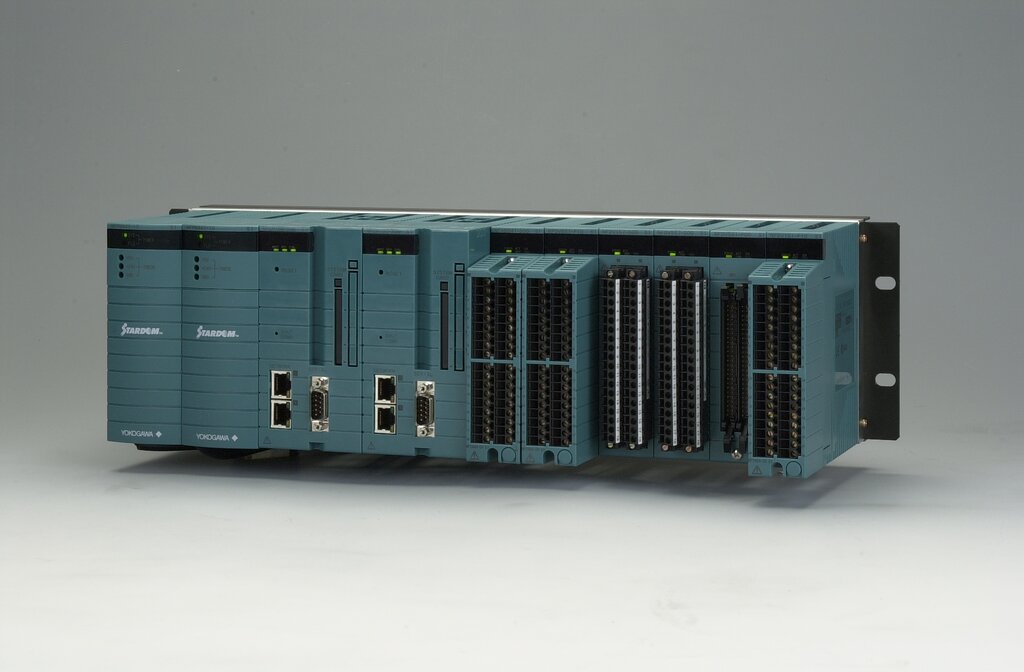
From Relays to Processors
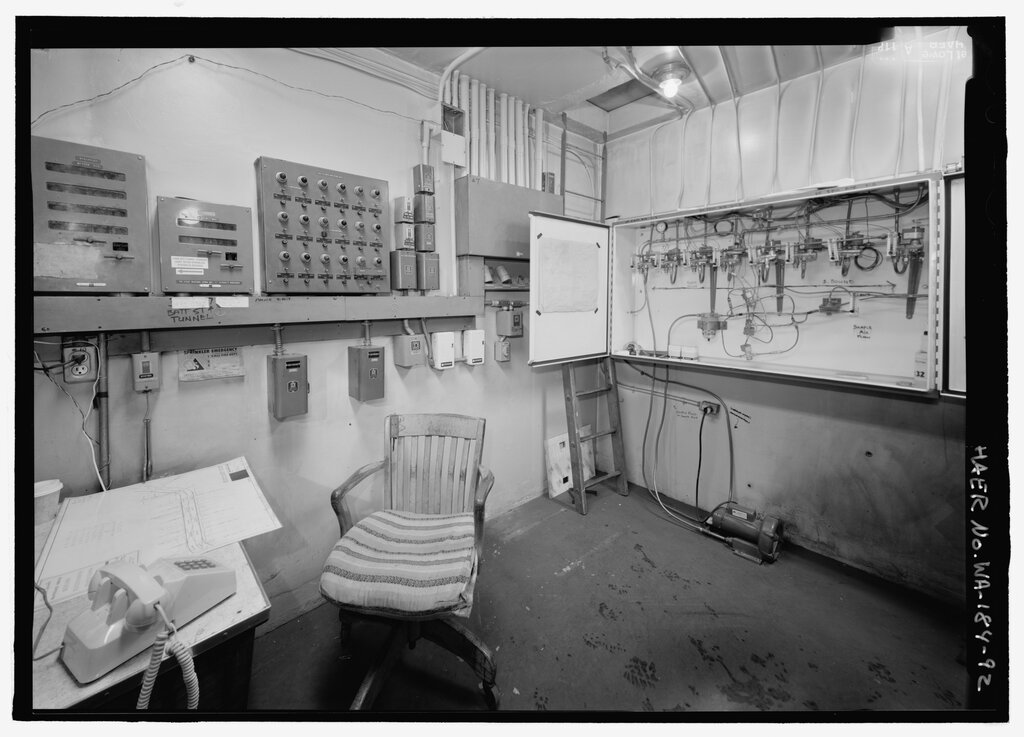
Before PLCs, industrial control was handled by complex systems of electromechanical relays. These were physical switches that opened and closed circuits to control machinery. Imagine a massive wall of clicking relays, all wired together to execute a single, fixed logic sequence.
This approach had major drawbacks. If a process needed to change, an electrician had to physically rewire the entire panel, a time-consuming and error-prone task. These relay panels were also bulky, consumed a lot of power, and required constant maintenance as the mechanical parts wore out.
The invention of the PLC in the late 1960s replaced these walls of relays with a single, programmable box.
PLCs brought software into the factory. Instead of rewiring hardware, engineers could now simply change the code. This introduced incredible flexibility and drastically cut down on the time and cost needed to modify production lines. PLCs were also far more reliable and smaller than their relay-based predecessors.
| Feature | Relay Logic Systems | Programmable Logic Controllers (PLCs) |
|---|---|---|
| Flexibility | Low (requires physical rewiring) | High (logic changed via software) |
| Reliability | Medium (mechanical parts wear out) | High (solid-state electronics) |
| Size | Large and bulky | Compact and modular |
| Cost | High for complex systems | Lower, especially for complex tasks |
| Maintenance | High | Low |
PLCs in Action
Today, PLCs are everywhere in the industrial world. They are the unseen force behind countless automated tasks that make modern life possible. Their applications span nearly every industry.
In an automotive plant, PLCs control the robotic arms that weld and paint car bodies. In a food processing facility, they manage everything from mixing ingredients to packaging the final product. They run the conveyor systems in distribution centers, control the rides at amusement parks, and manage the environmental systems in large buildings.
By automating these processes, PLCs increase efficiency, improve product quality, and enhance safety for workers. They allow manufacturers to produce goods faster and more consistently than would be possible with manual control. This ability to reliably and flexibly control machinery is why PLCs are a cornerstone of modern industrial automation.
What is the primary function of a Programmable Logic Controller (PLC)?
One key advantage of PLCs over older relay-based systems is their rugged design, which allows them to operate in harsh industrial environments.
Now that you've learned the basics of what PLCs are and why they're important, you're ready to dive deeper into how they work.